Between 2006 and 2015, the Poetry Book Society ran the T. S. Eliot School Shadowing Scheme (later renamed the Writing Competition) in collaboration with the English and Media Centre, offering GCSE and A Level students the chance to get involved with the judging of the T. S. Eliot Prize.
Two poems from each of the ten collections shortlisted for the Prize that year were published online. Students aged 14-19 were then encouraged to read the poems and take part in a poll to vote for their choice of winner. There was also a competition for A Level (or equivalent) students to write the best 500 word rationale for their choice of poet. Prizes in various years included tickets to the T. S. Eliot Prize Shortlist Readings and Award Ceremony, a full set of the ten shortlisted collections, a year’s Poetry Book Society membership, and a year’s subscription to the English and Media Centre’s publication for A Level English students, emagazine, where the winning rationale was published.
In 2009, the T. S. Eliot Prize Shadowing Scheme introduced a new Teachers’ Prize for a review of a shortlisted title; and every year, the English and Media Centre produced a teachers’ guide to the poems to support teachers to teach poetry outside the National Curriculum and set text lists, but which represents new work from the year’s best poetry collections.
The T. S. Eliot School Shadowing Scheme aimed to reflect Eliot’s own commitment to encouraging young people to enjoy poetry by allowing 14-19 year olds to shadow the T. S. Eliot Prize judging panel as they make their decision.
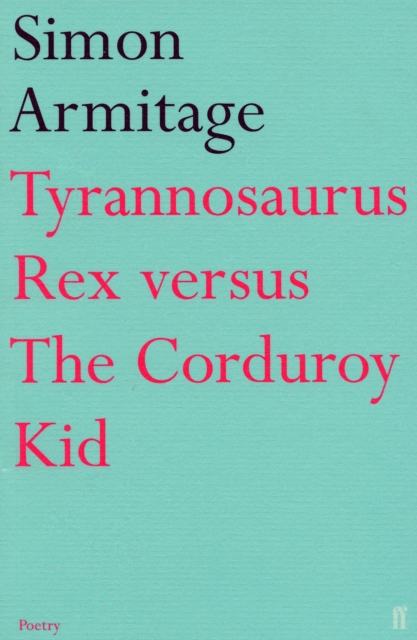
2006 – Isabel Manley from Graveney School in Tooting, London, writing in praise of Simon Armitage’s Tyrannosaurus Rex Versus the Corduroy Kid
2007 – Holly Stevenson from Dame Alice Harpur School, Bedford, writing in praise of Sophie Hannah’s Pessimism for Beginners
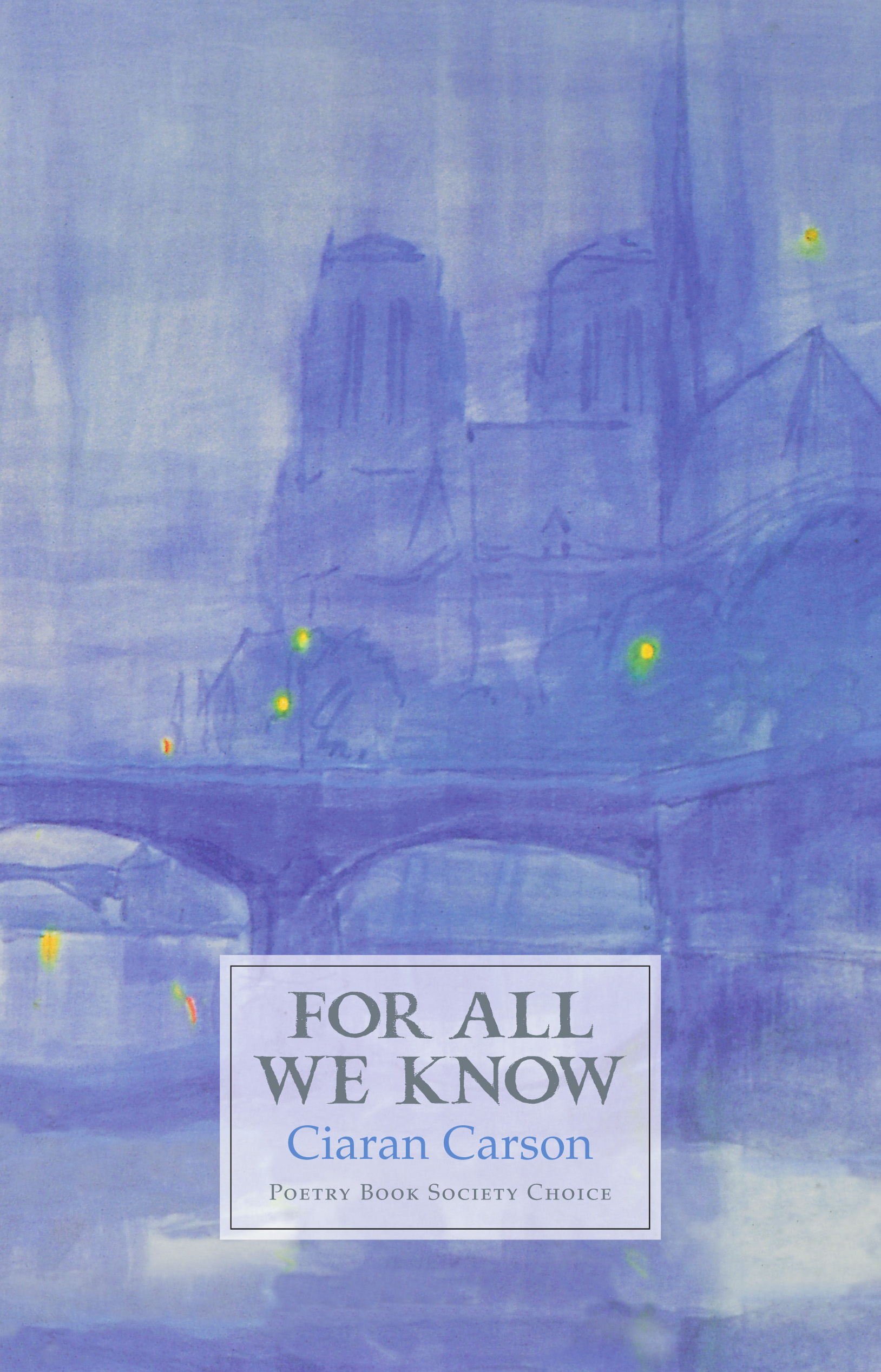
2008 – Patrick Ford from Marlborough College, writing in praise of Ciaran Carson’s For All We Know
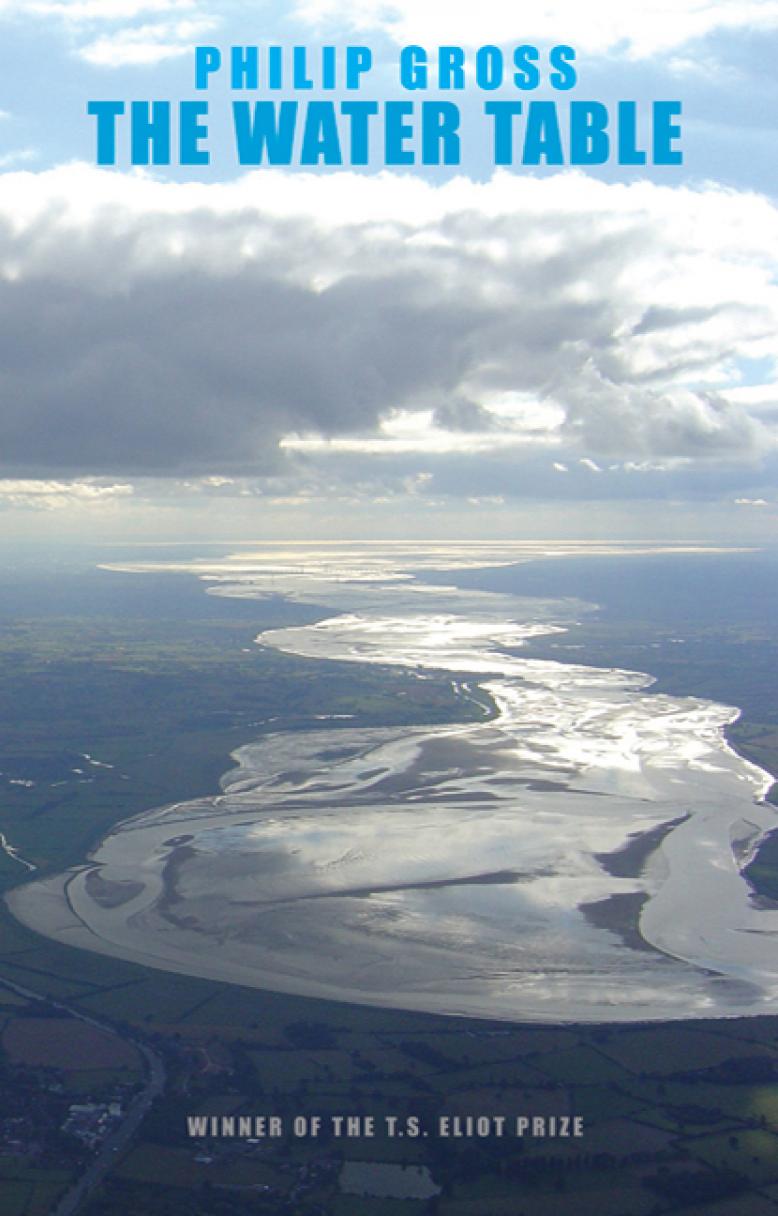
2009 – Iona Singleton from South Wilts Grammar School, writing in praise of Philip Gross’s The Water Table
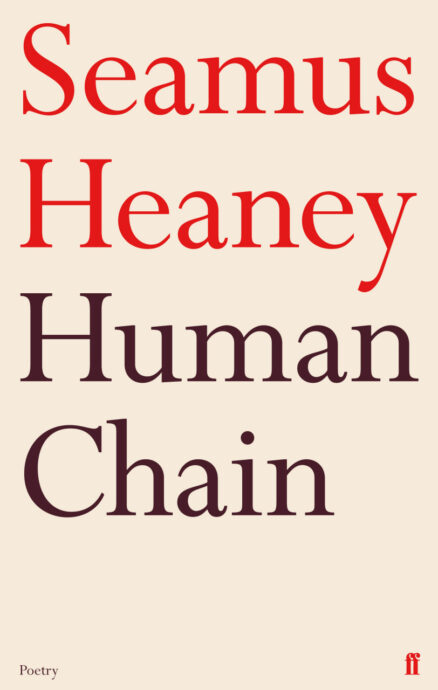
2010 – Madeleine Chalmers from The Abbey School, Reading, writing in praise of Seamus Heaney’s Human Chain
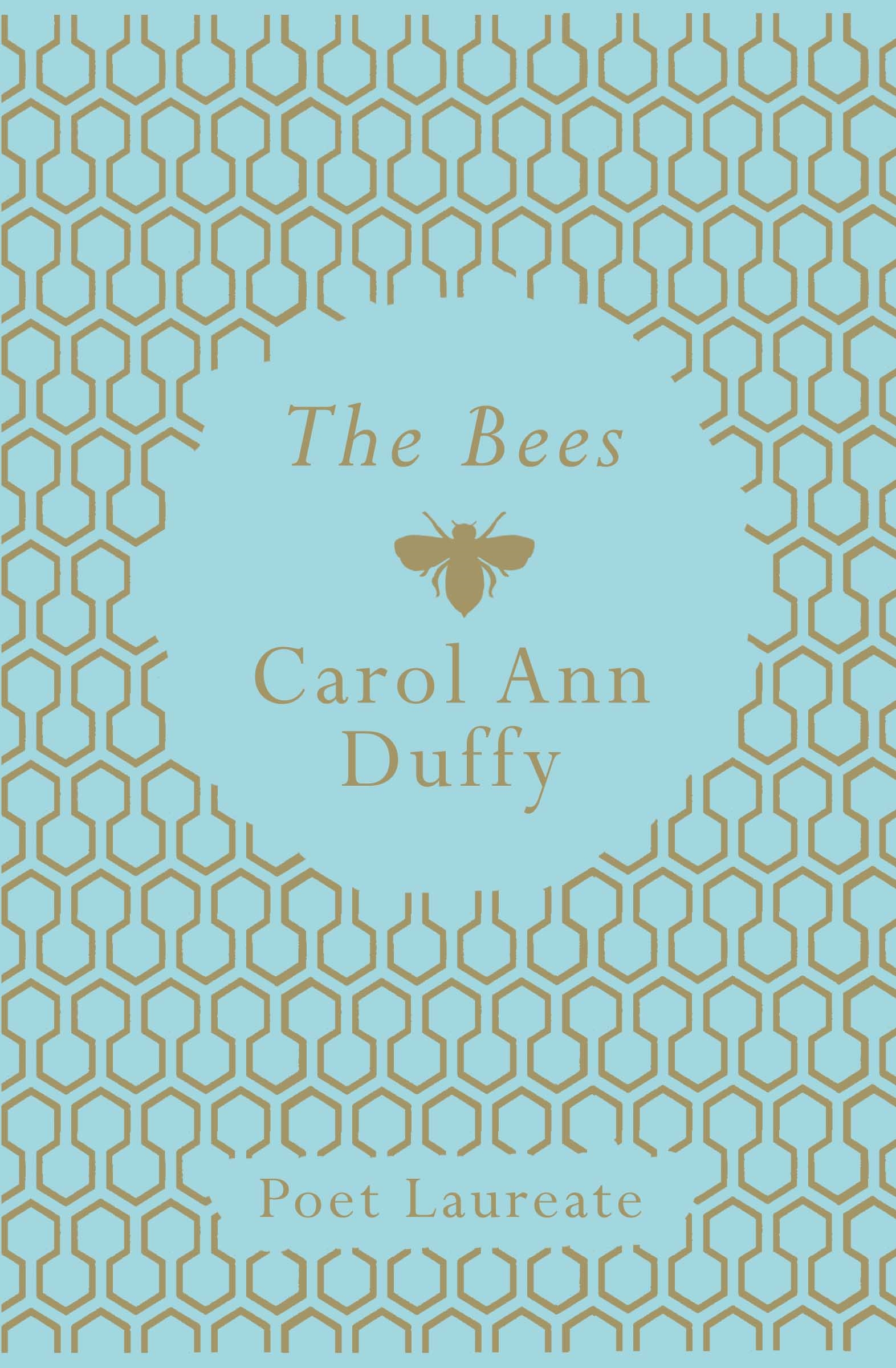
2011 – Liam O’Brien from East Barnet School, writing in praise of Carol Ann Duffy’s The Bees
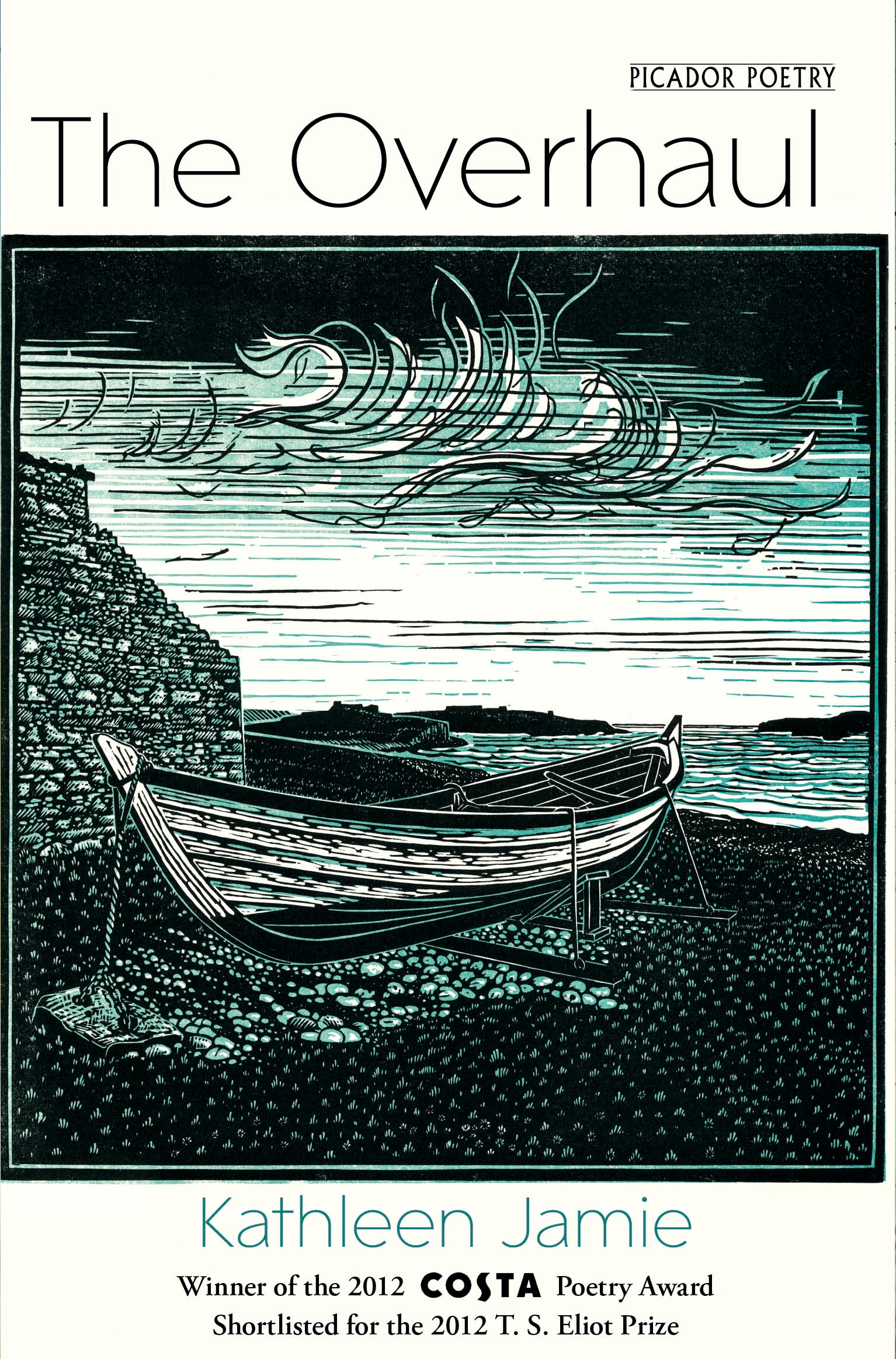
2012 – Flora De Falbe from Twyford Church of England School, Ealing, writing in praise of Kathleen Jamie’s The Overhaul
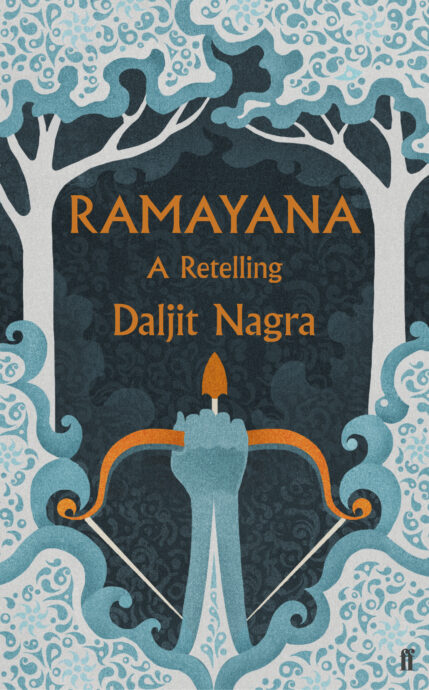
2013 – Ridhi Thukral from St Augustine’s Priory School, Ealing, writing in praise of Daljit Nagra’s Ramayana: A Retelling
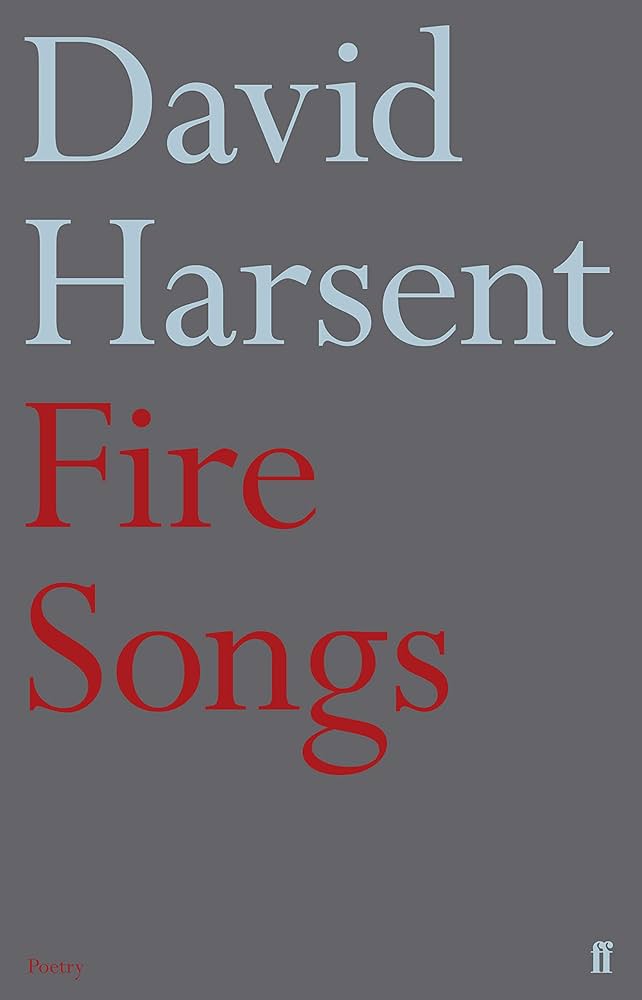
2014 – Billie Kathleen Esplen from Highgate School, London, writing in praise of David Harsent’s Fire Songs
Writing Competition
In 2015, the Shadowing Scheme was reinvented as the Writing Competition, in which students were now invited to respond either creatively or critically to the two poems from each shortlisted title published online.
They could either write a 500 word critical piece on the two poems by their chosen poet, reflecting on what they particularly liked about them and why they thought this author should win; or write a poem of their own, ‘writing back’ to one of the poems they found particularly interesting.
Each category offered a £100 cash prize, three tickets to the T. S. Eliot Prize and the Award Ceremony, publication in emagazine and on the Poetry Book Society website, a full set of all ten shortlisted collections, and education membership of the Poetry Book Society for the school or college of the winning students.
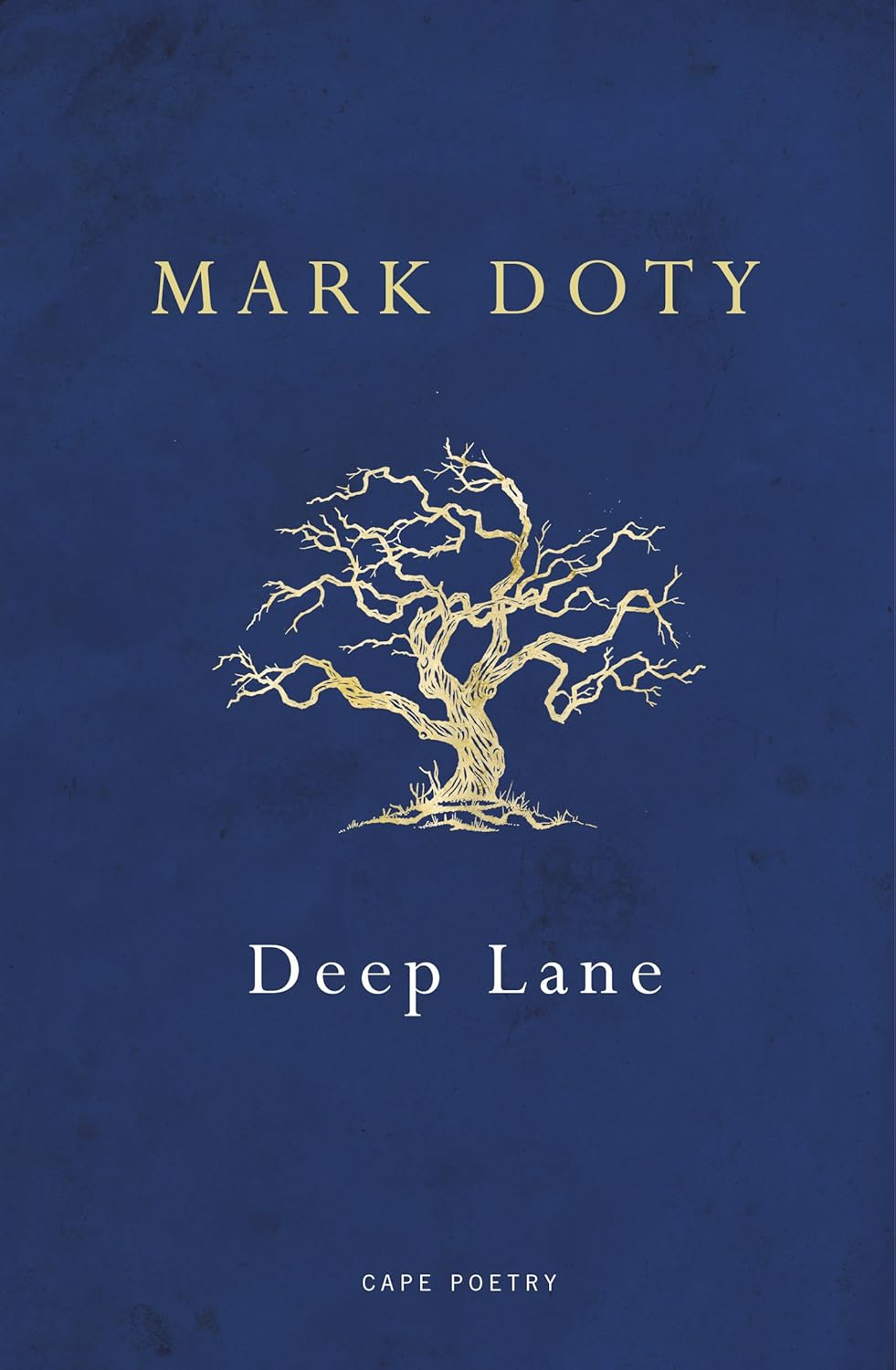
In 2015, the creative category was won by Michael McCabe of Oriel High School, Crawley (responding to Les Murray’s ‘Child Logic’) and Alice West of Surbiton High School (responding to Mark Doty’s ‘Deep Lane’).
Teachers said:
“The experience was challenging, fun, stimulating”
Neil Bowen, teacher at Wells Cathedral School
“The T. S. Eliot Shadowing Scheme gives students a genuine opportunity to engage with the best contemporary poetry in a purposeful and collaborative way. The competition is easy to manage, resources are free and it only takes a lesson or two to set up. I would recommend it to A Level English teachers everywhere.”
Jane Bluett, teacher at Bilborough College, Nottingham
“This scheme encourages students to confidently talk about poetry and share their opinions in lively discussions. A unique opportunity for students to test their ideas about poetry without being tested!”
Daljit Nagra, poet and teacher at JFS, London
Young Critics Scheme
The competition discontinued in 2016, when the T. S. Eliot Foundation took over the running of the T. S. Eliot Prize. In 2022, the T. S. Eliot Prize started a new partnership with The Poetry Society to run the Young Critics Scheme for ten 18-25 year olds where, following workshops on poetry reviewing, young critics produce a video review of each of that year’s shortlisted titles. Find out more about the Young Critics Scheme.