2018
T. S. Eliot Prize

Winner

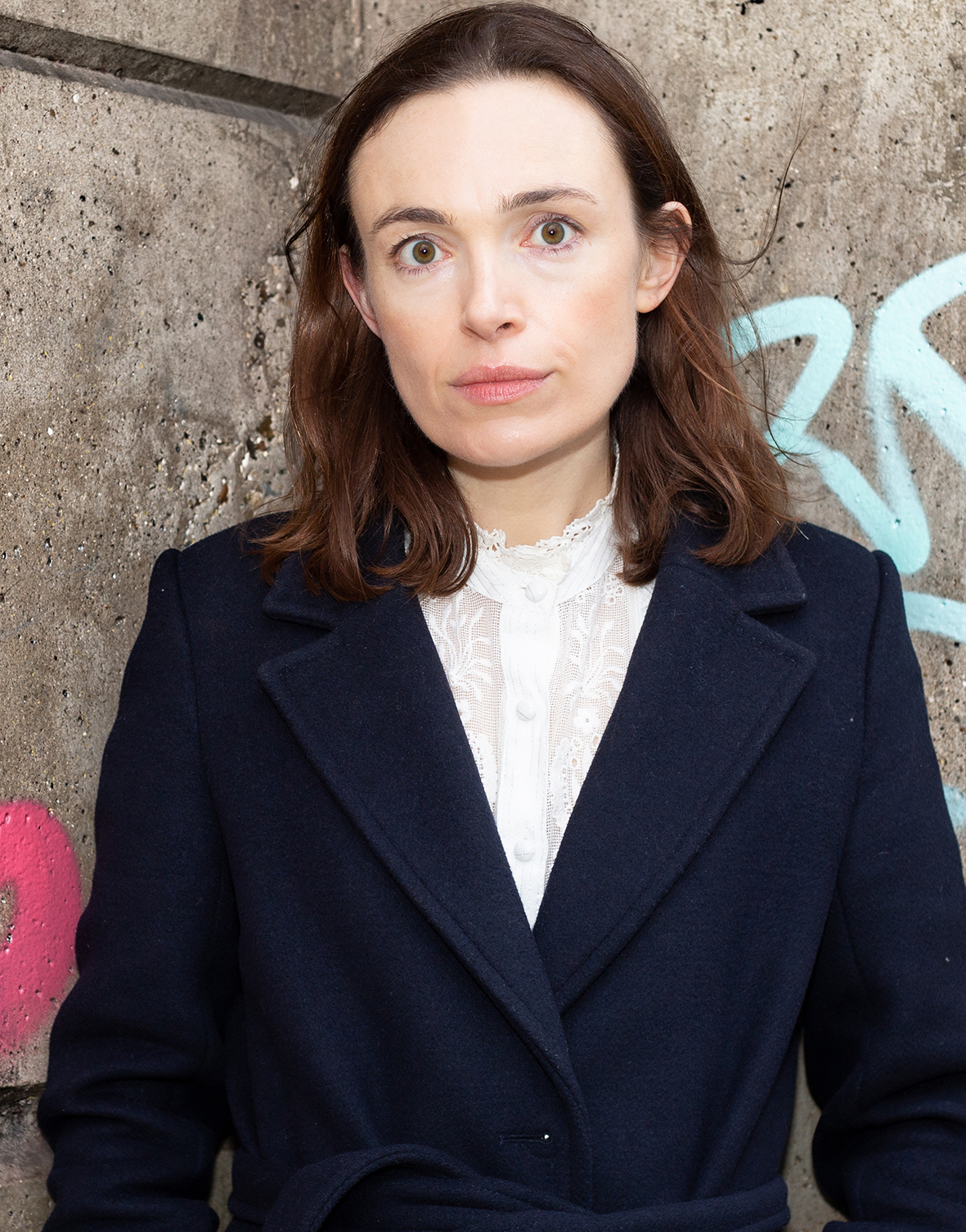
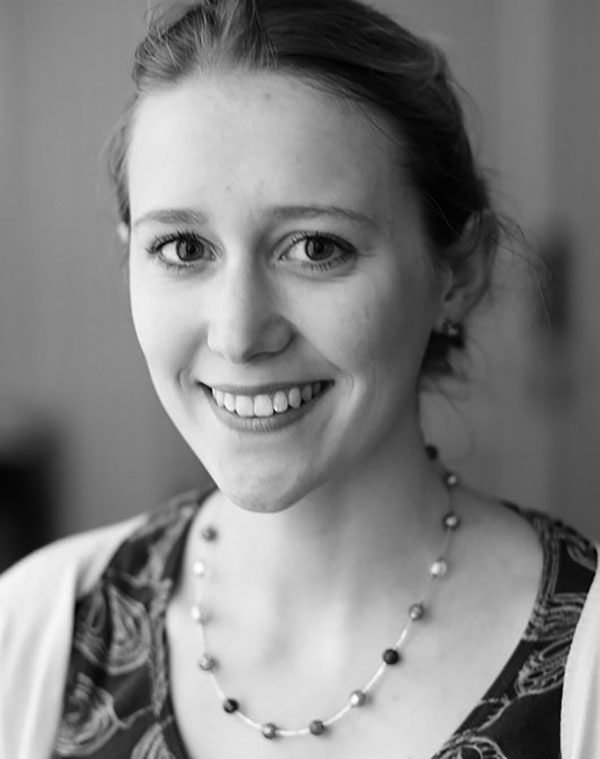
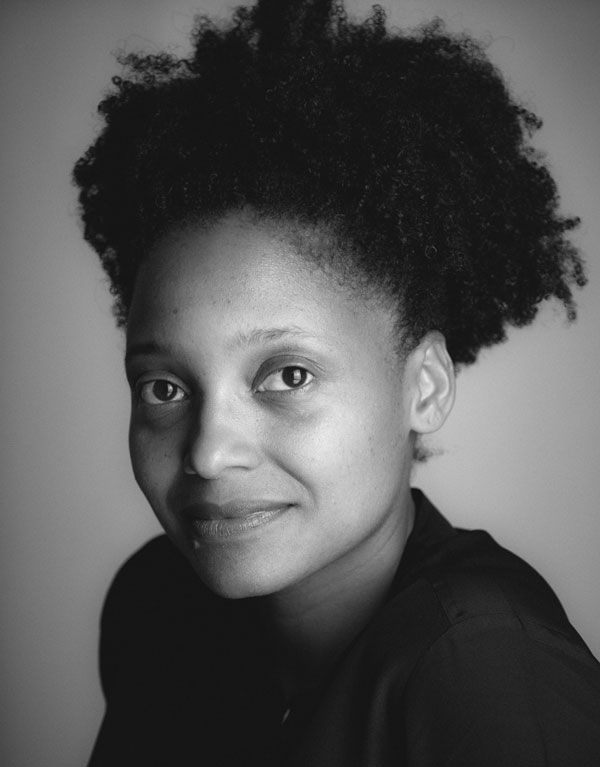
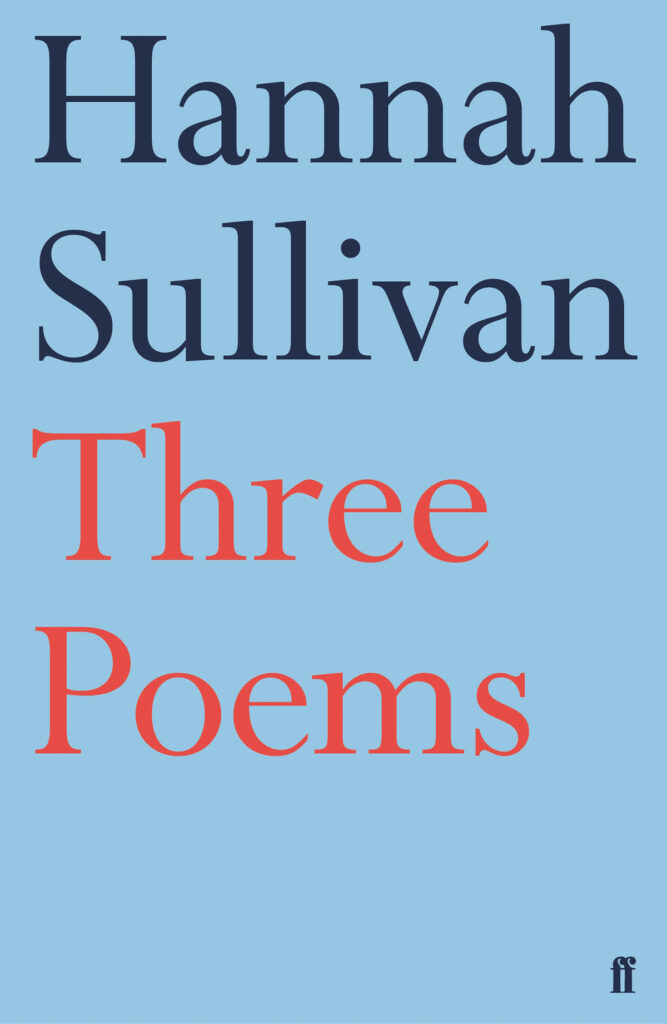
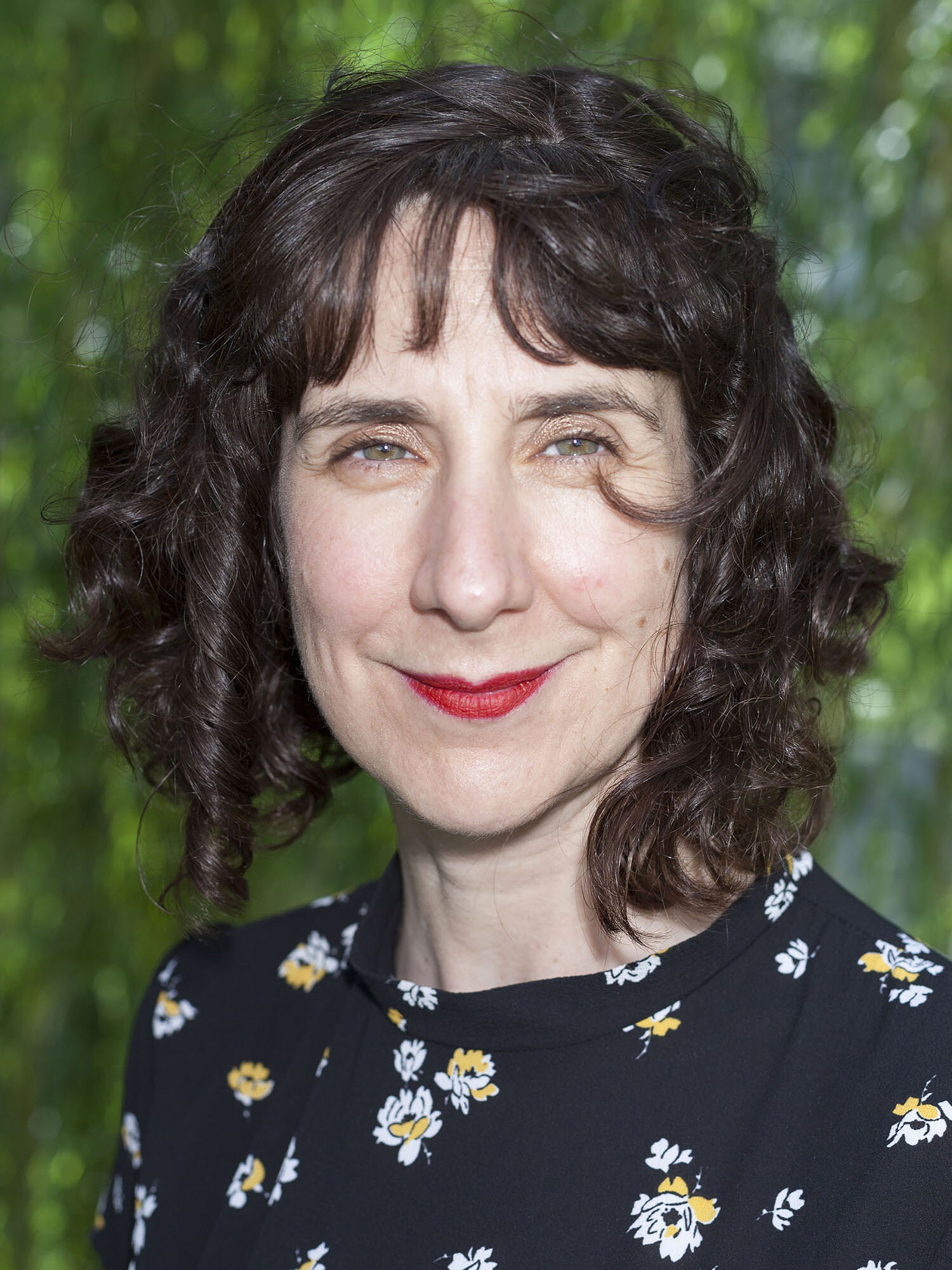
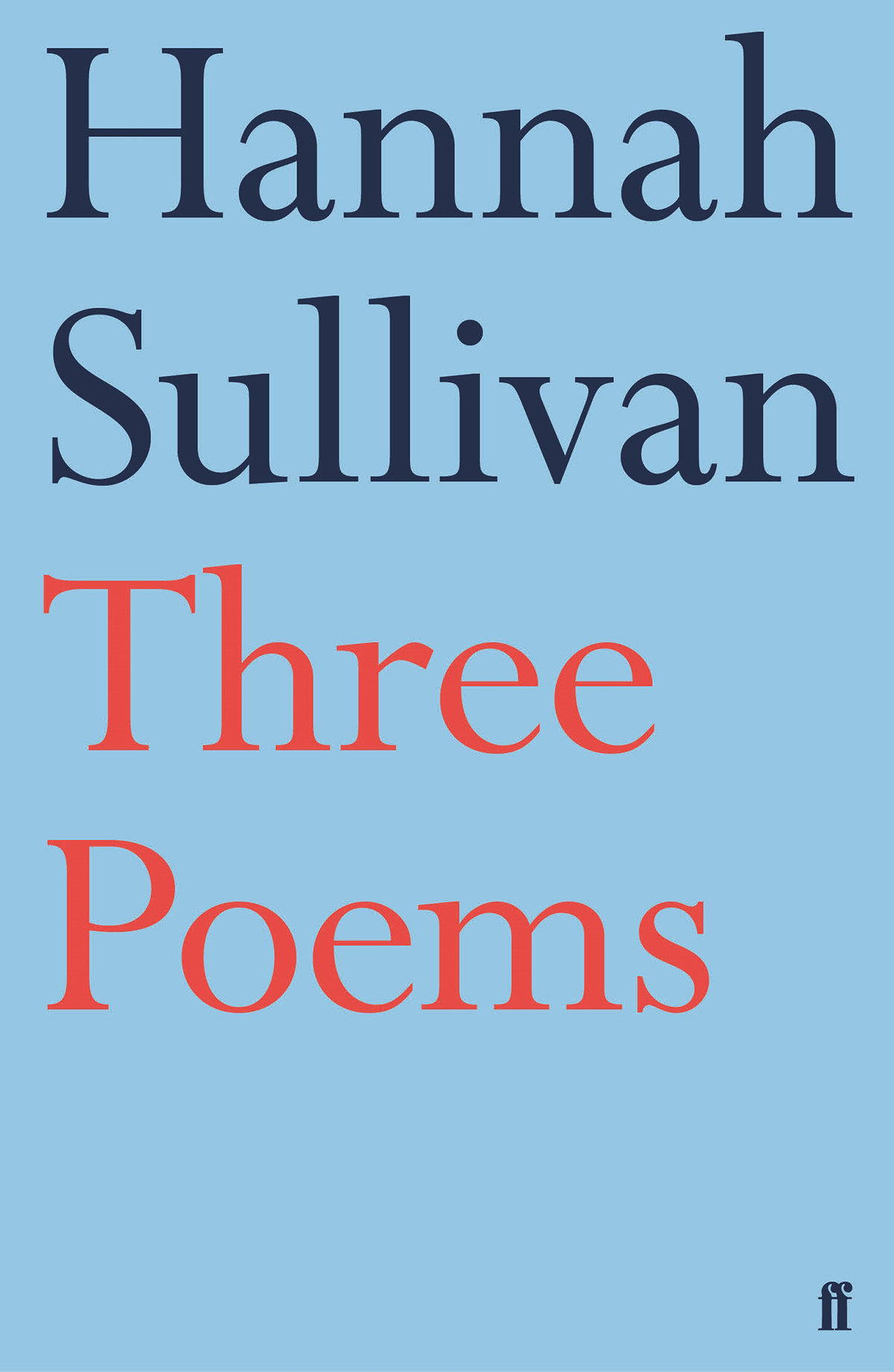
Hannah Sullivan’s debut collection Three Poems (Faber & Faber, 2018) won the T. S. Eliot Prize and the John Pollard Foundation International Poetry Prize, and was shortlisted for the Costa Poetry Award, the Ted Hughes Award, the Seamus Heaney Poetry Prize and Michael Murphy Poetry Prize. After a degree in Classics at Cambridge, she went to Harvard University on a Kennedy Scholarship and received a PhD in English and American Literature in 2008. From 2008 to 2011 she worked as an Assistant Professor in English at Stanford University in California. Her study of modernist writing, The Work of Revision, was published in 2013 and awarded the Rose Mary Crawshay Prize by the British Academy and the 2015 University English Book Prize. Born in London, she now lives in Oxford and teaches nineteenth and twentieth-century English Literature at New College. Her second collection Was It for This was published by Faber & Faber and Farrar, Straus and Giroux in 2023. Photo © Teresa Walton
Faber & Faber

The Chair of the judges’ speech

Announcements

The Chair of the Judges’ speech

‘It has been another magnificent year for poetry in these islands. To have been asked to pick only ten books for the shortlist was, in and of itself, inordinately challenging. And to have to pick an overall winner out of those ten, another immensely difficult task.’ – Sinéad Morrissey, Chair

The Chair of the Judges’ speech

‘It has been another magnificent year for poetry in these islands. To have been asked to pick only ten books for the shortlist was, in and of itself, inordinately challenging. And to have to pick an overall winner out of those ten, another immensely difficult task.’ – Sinéad Morrissey, Chair

Shortlisted Works

Shortlisted Poets

Hannah Sullivan’s debut collection Three Poems (Faber & Faber, 2018) won the T. S. Eliot Prize and the John Pollard...
Ailbhe Darcy was born in Dublin in 1981 and grew up there before studying at the University of...
Terrance Hayes is the author of Lighthead, winner of the 2010 National Book Award and finalist for the National...
Zaffar Kunial was born in Birmingham and lives in Hebden Bridge, West Yorkshire. In 2011 he won third...
Born in County Tyrone in 1975, Nick Laird studied English at the University of Cambridge. He is a...
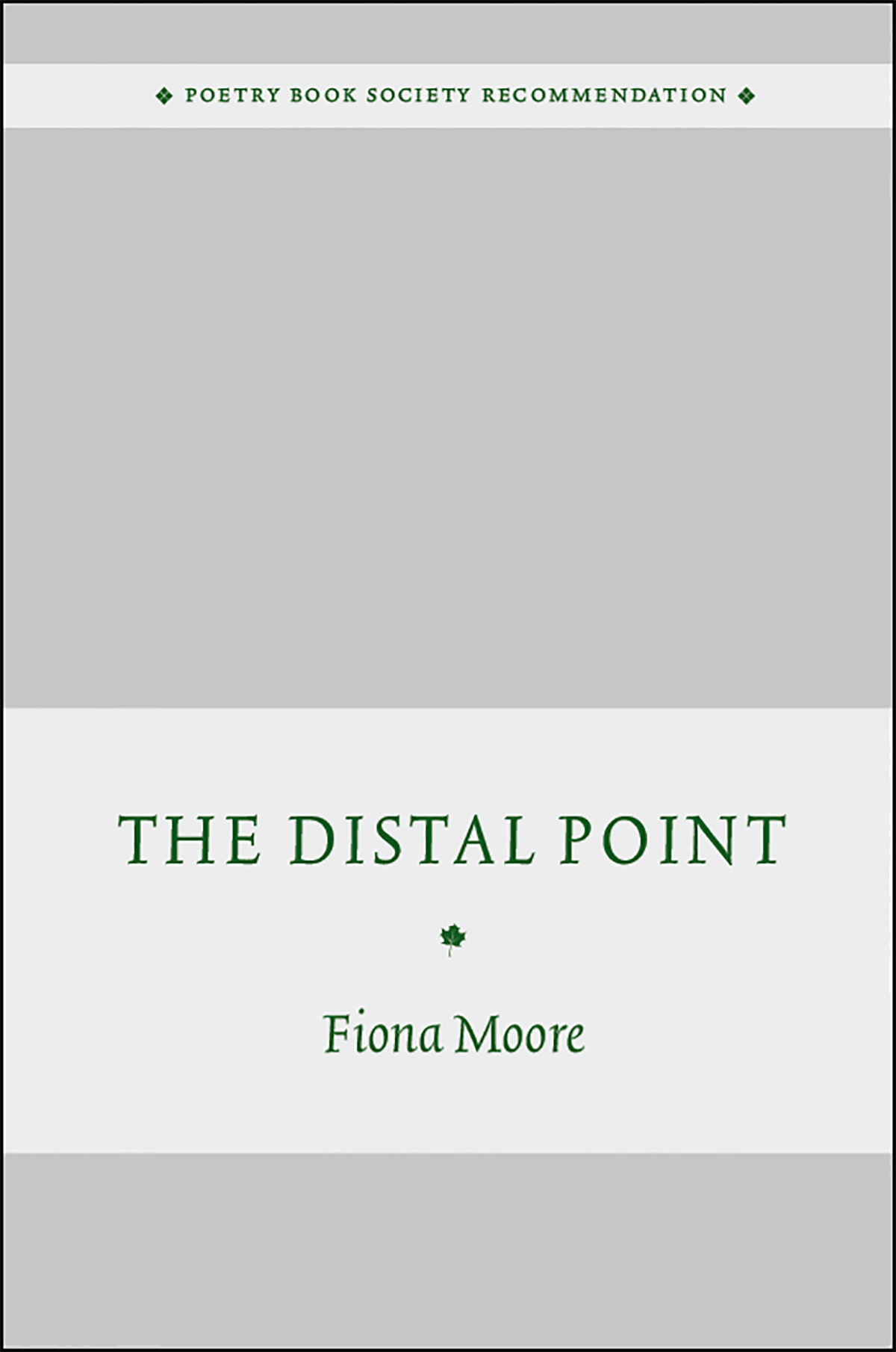
Fiona Moore lives in Greenwich, London. In 2004 she left her career in the Foreign Office to write...
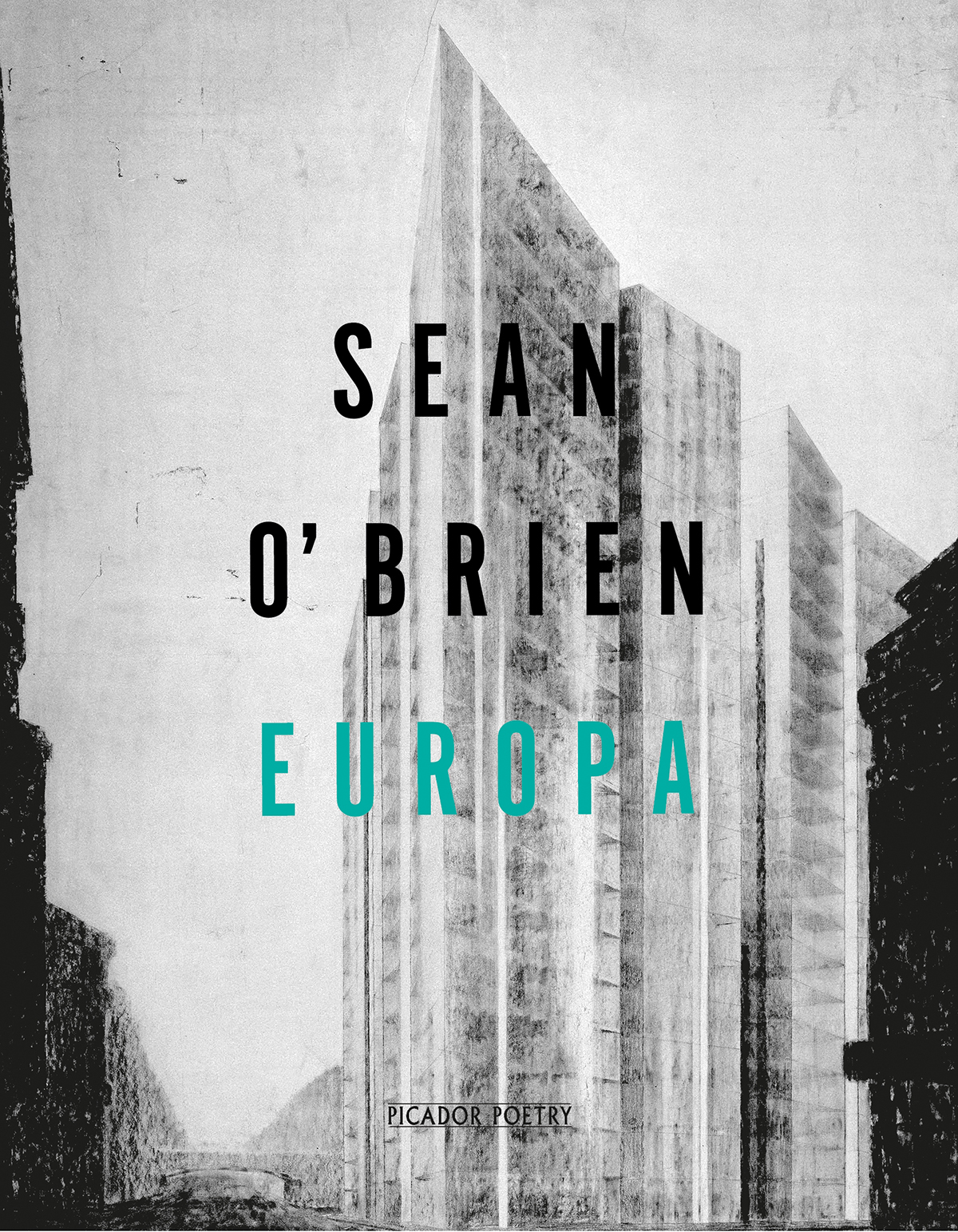
Sean O’Brien is a poet, critic, novelist and short-fiction writer. Born in London in 1952, he grew up...
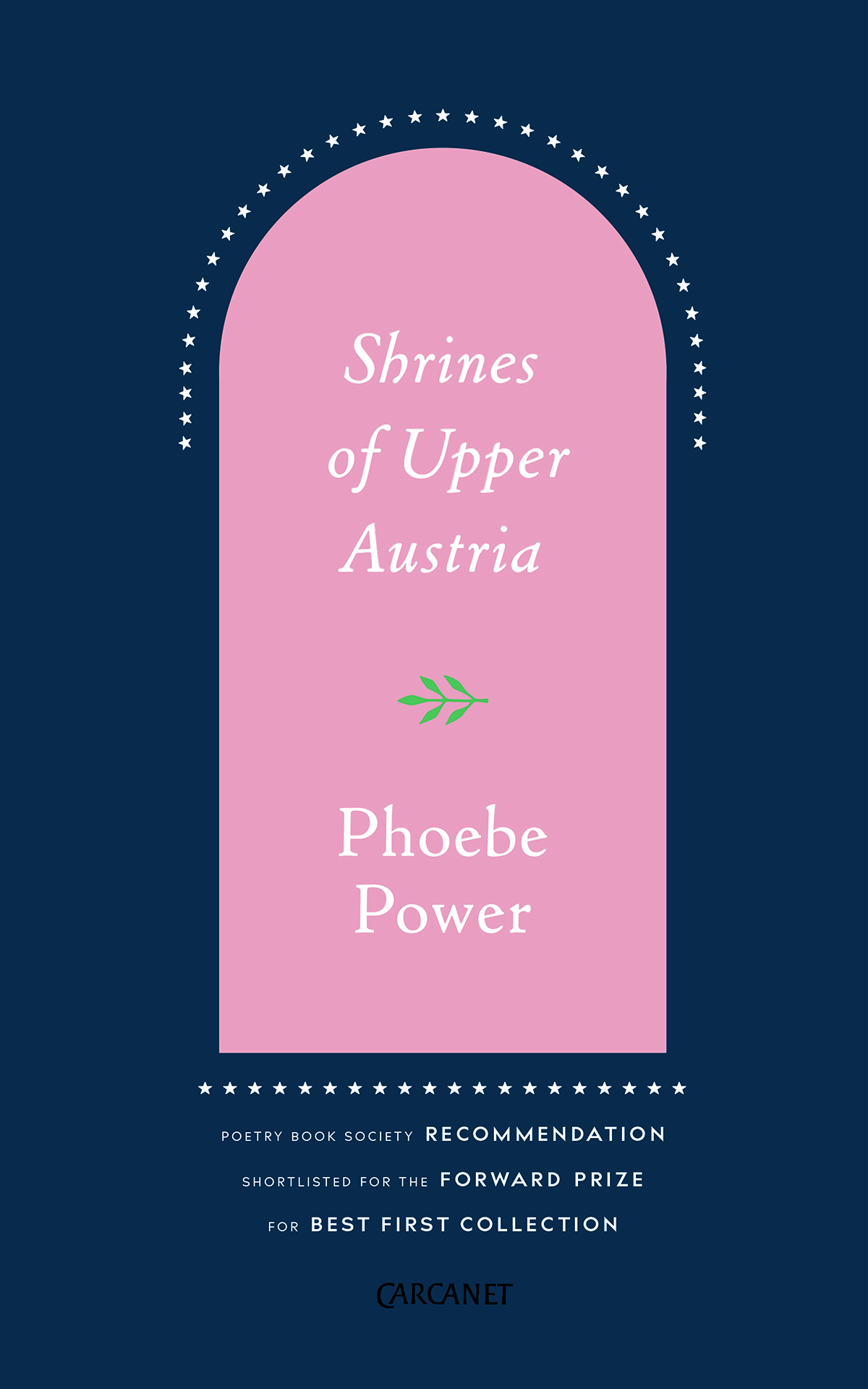
Phoebe Power was a winner of the Foyle Young Poets in 2009, received an Eric Gregory Award in...
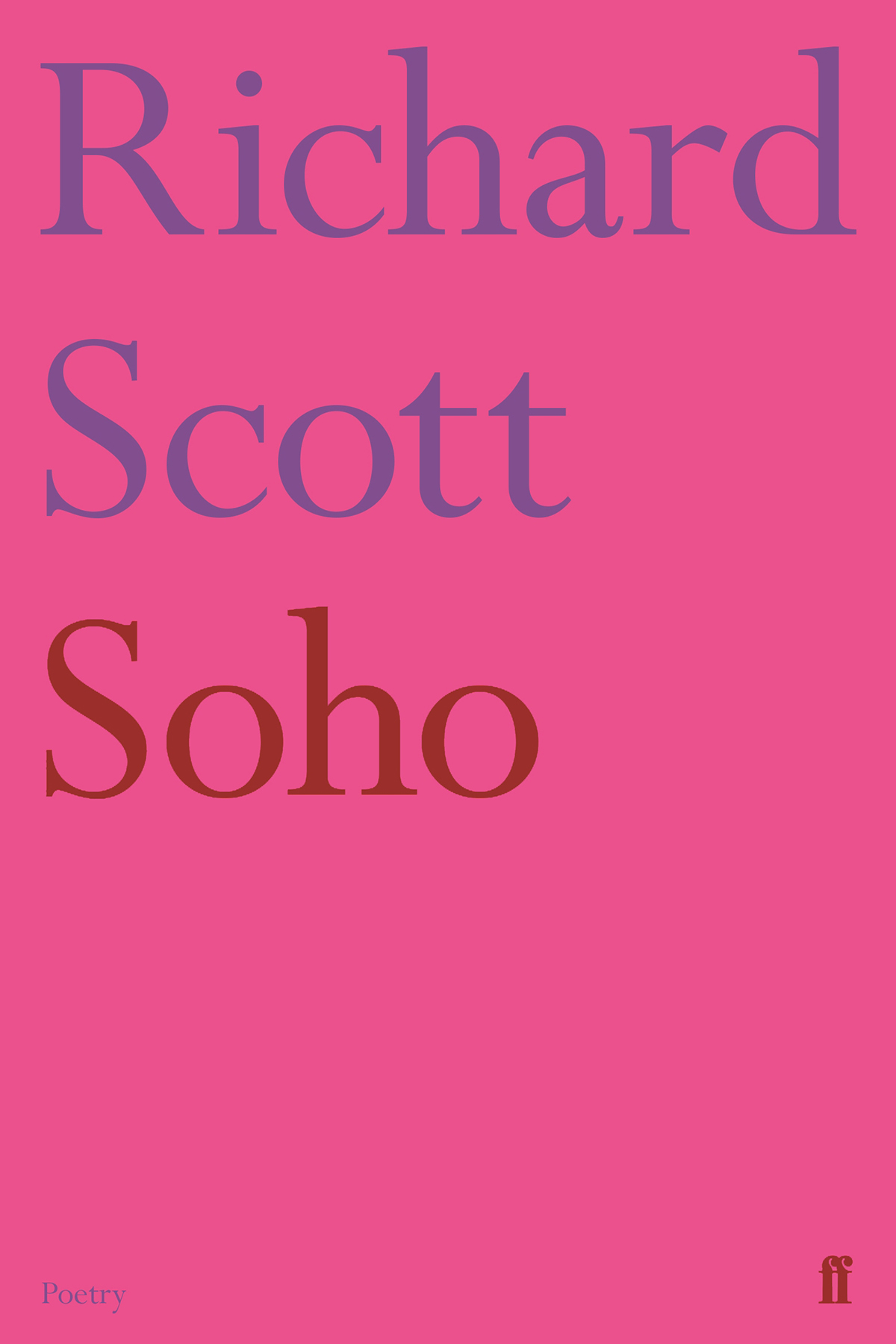
Richard Scott was born in Wimbledon in 1981 and grew up in London. He studied to be an...
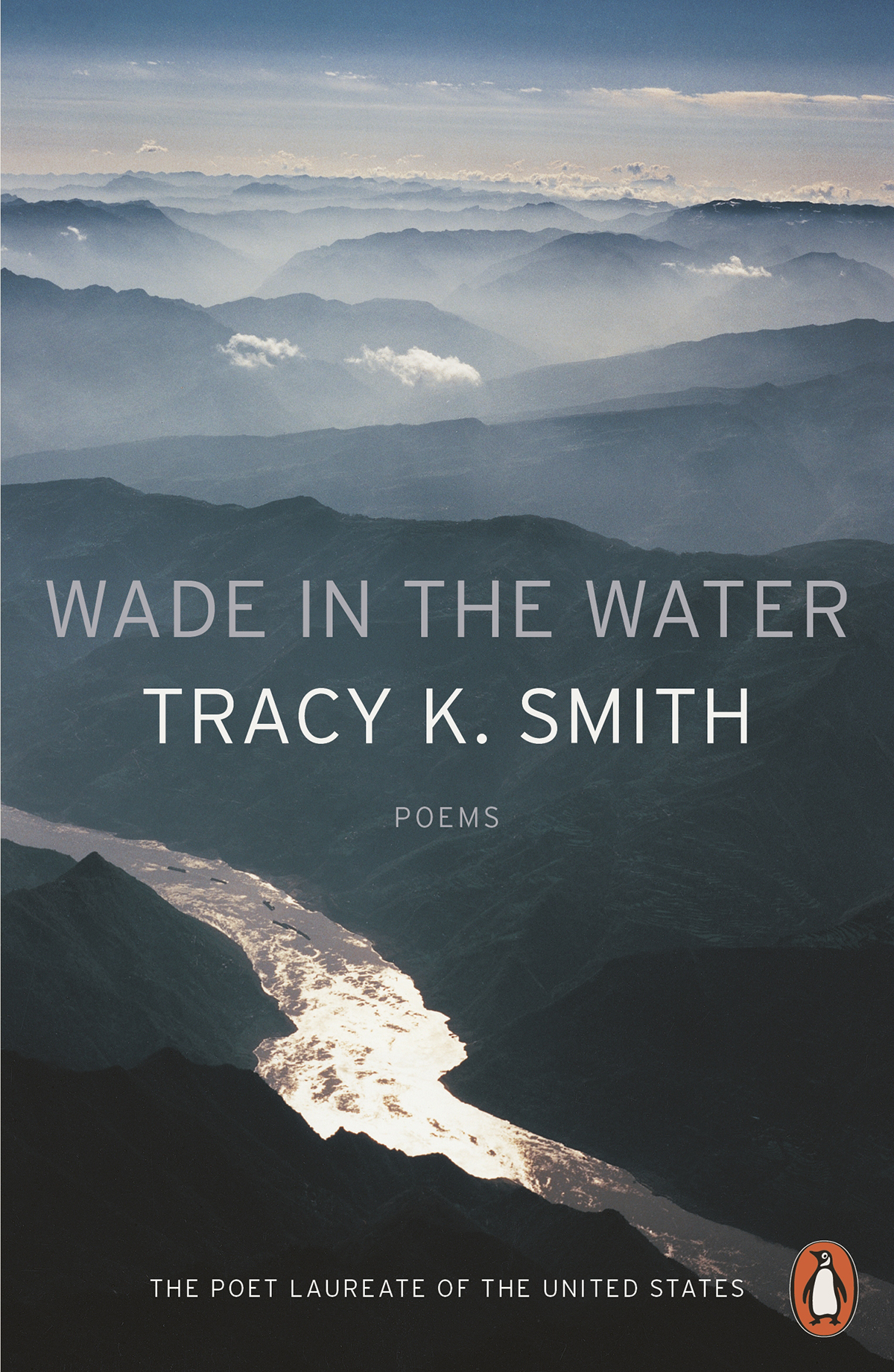
Tracy K. Smith was born in Massachusetts and raised in northern California. She earned a BA from Harvard...

Judges

CHAIR

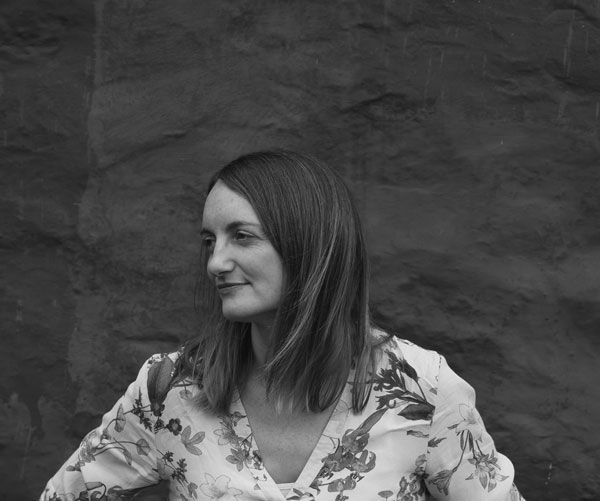
Sinéad Morrissey was born in 1972 and grew up in Belfast. She read English and German at Trinity...
Clare Pollard was born in Bolton in 1978 and lives in London. Her collections with Bloodaxe include: The...
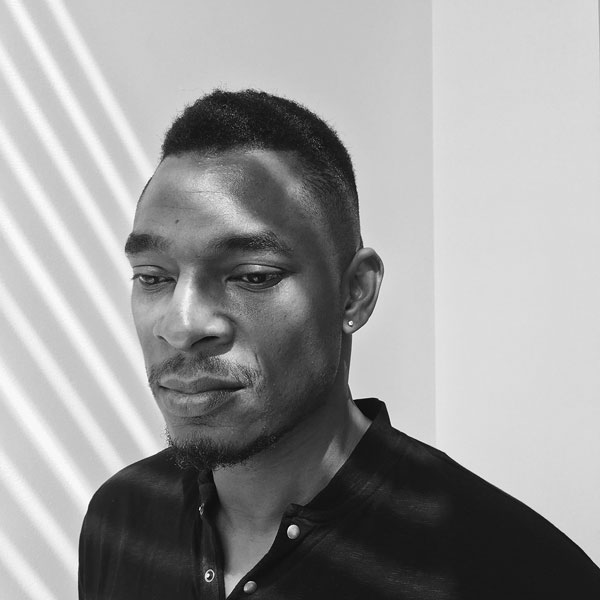
Daljit Nagra grew up in London and Sheffield, and now lives in Harrow. In 2004 his poem ‘Look...

Videos

Ailbhe Darcy reads from Insistence at the T. S. Eliot Prize Shortlist Readings
Hannah Sullivan reads from Three Poems at the T. S. Eliot Prize Shortlist Readings
Nick Laird reads from Feel Free at the T. S. Eliot Prize Shortlist Readings
Phoebe Power reads from Shrines of Upper Austria at the T. S. Eliot Prize Shortlist Readings
Richard Scott reads from Soho at the T. S. Eliot Prize Shortlist Readings
Fiona Moore reads from The Distal Point at the T. S. Eliot Prize Shortlist Readings
Sean O’Brien reads from Europa at the T. S. Eliot Prize Shortlist Readings
Terrance Hayes reads from American Sonnets for my Past and Future Assassin at the T. S. Eliot Prize Shortlist Readings
Tracy K. Smith reads from Wade in the Water at the T. S. Eliot Prize Shortlist Readings
Zaffar Kunial reads from Us at the T. S. Eliot Prize Shortlist Readings

Related News Stories

In 2023 the T. S. Eliot Prize celebrated its 30th anniversary. We marked the occasion by looking back at the collections which have won ‘the Prize poets most want to win’ (Sir Andrew Motion). Hannah Sullivan won the T. S. Eliot Prize 2018 with her debut collection Three Poems (Faber...
The T. S. Eliot Foundation is delighted to announce that the winner of the T. S. Eliot Prize 2018 is Hannah Sullivan for her thrilling collection Three Poems, published by Faber & Faber. After months of reading and deliberation, judges Sinéad Morrissey, Daljit Nagra and Clare Pollard unanimously chose the...
Held in the fabulous surroundings of the Royal Festival Hall, London, and hosted by the inimitable Ian McMillan, the T. S. Eliot Prize Shortlist Readings are a highlight of the literary year. The 2018 Readings, held on 13 January 2019, will showcase the collections shortlisted by judges Sinéad Morrissey (Chair),...
Fresh from reading a record 176 submissions, T. S. Eliot Prize 2018 judge Clare Pollard celebrates the boom in poetry By most measures, this is a good year for poetry. As life moves increasingly online, poetry suits the internet – it fits in a tweet, a blogpost, an Instagram snap,...
Judges Sinéad Morrissey (Chair), Daljit Nagra and Clare Pollard have chosen the T. S. Eliot Prize 2018 Shortlist from a record 176 poetry collections submitted by, as Sinéad Morrissey says, ‘a plethora of poetry publishers’. The Shortlist comprises five debut collections, one small press, five men, five women, and two...
We’re delighted to have received a record number of submissions for the T. S. Eliot Prize 2018, with 176 collections from 48 publishers currently being considered by judges Sinéad Morrissey (Chair), Daljit Nagra and Clare Pollard. British poetry has arguably never been stronger, with a wealth of publishers large and...
The T. S. Eliot Foundation is delighted to announce the judges for the 2018 Prize. The panel will be chaired by Sinéad Morrissey, alongside poets Daljit Nagra and Clare Pollard. The 2018 judging panel will be looking for the best new poetry collection written in English and published in the...
Sinéad Morrissey, Chair of judges, T. S. Eliot Prize 2018. Photo © Florian Braakman

T. S. Eliot Prize 2018: the Chair of judges’ speech by Sinéad Morrissey

It has been a great privilege to have judged the T. S. Eliot prize this year. I would like to thank my fellow judges, Daljit Nagra and Clare Pollard, for being part of this journey  – ‘and such a long journey’ – from receiving a record 176 poetry collections last summer, to the shortlisting in October, to the magnificent readings last night in the Southbank Centre, right through to this evening. I’d also like to thank Chris Holifield for her guidance along the way, and for making the process as straightforward as possible.

It has been another magnificent year for poetry in these islands. To have been asked to pick only ten books for the shortlist was, in and of itself, inordinately challenging. And to have to pick an overall winner out of those ten, another immensely difficult task.

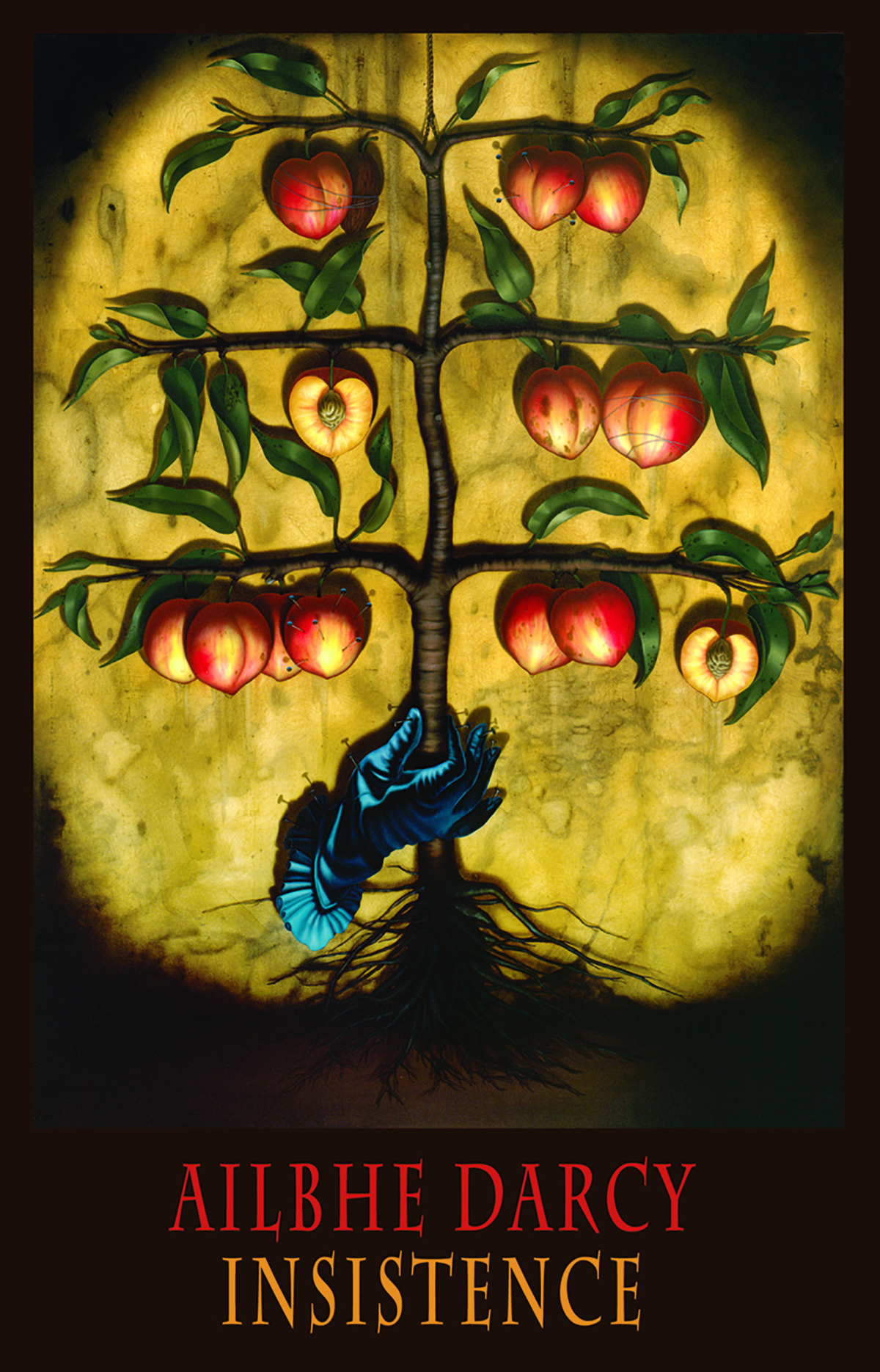
Ailbhe Darcy’s Insistence is a powerful voicing of life-on-the-edge. In this collection the trauma of early motherhood is twinned with economic decline, as she urgently interrogates ideas of domesticity, natural order and environmental responsibility. Her virtuosic adaptation of Inger Christensen’s Alphabet is a monument to the precariousness of our times.

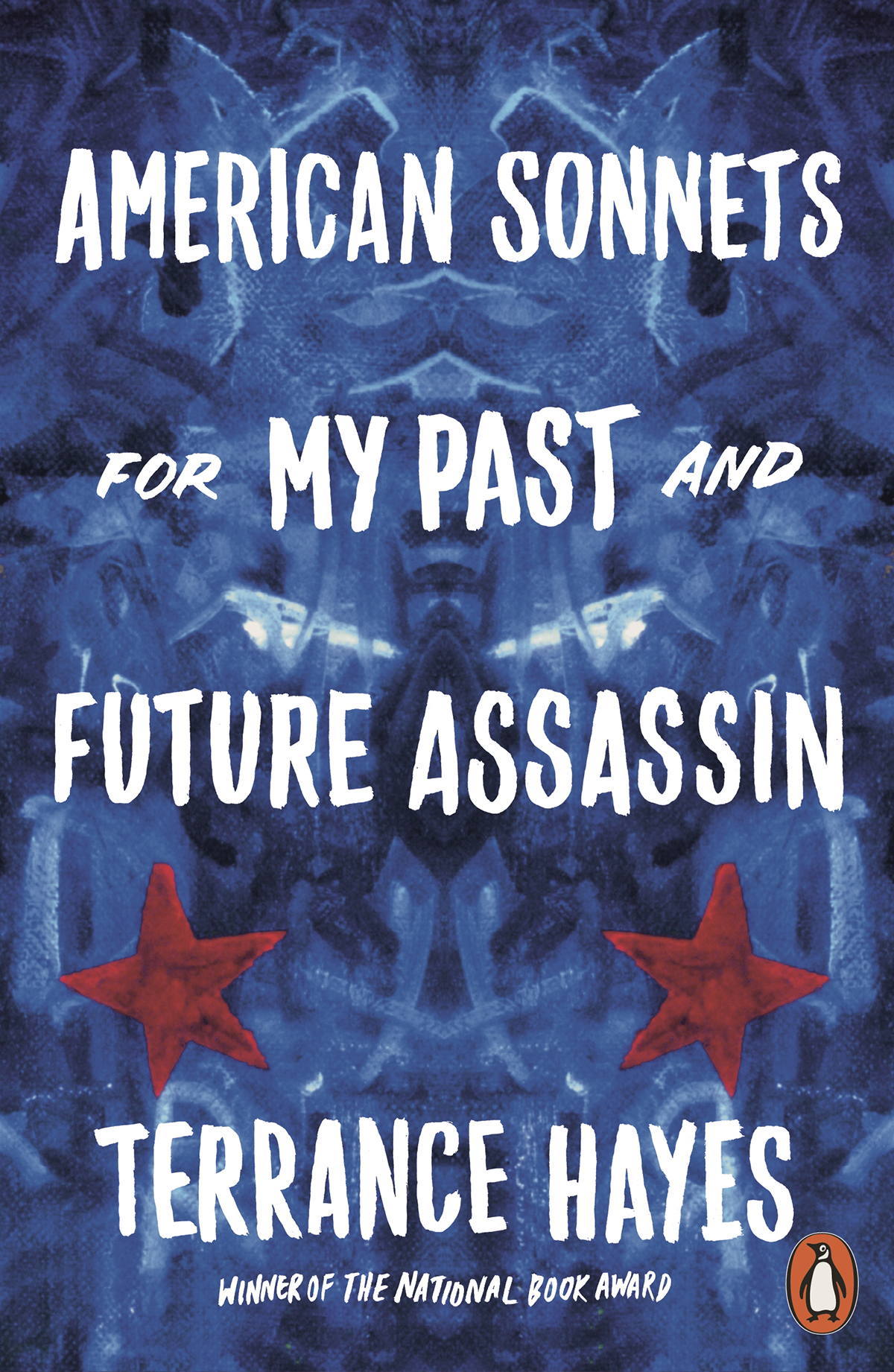
Terrance Hayes’ American Sonnets for My Past and Future Assassina collection of sonnets, all with the same title, considers America’s contemporary moment – its gun violence, racism, and the rise of its current President – through the lens of the sonnet form, which he unforgettably renders ‘part prison, part panic closet, a little room in a house set aflame’.

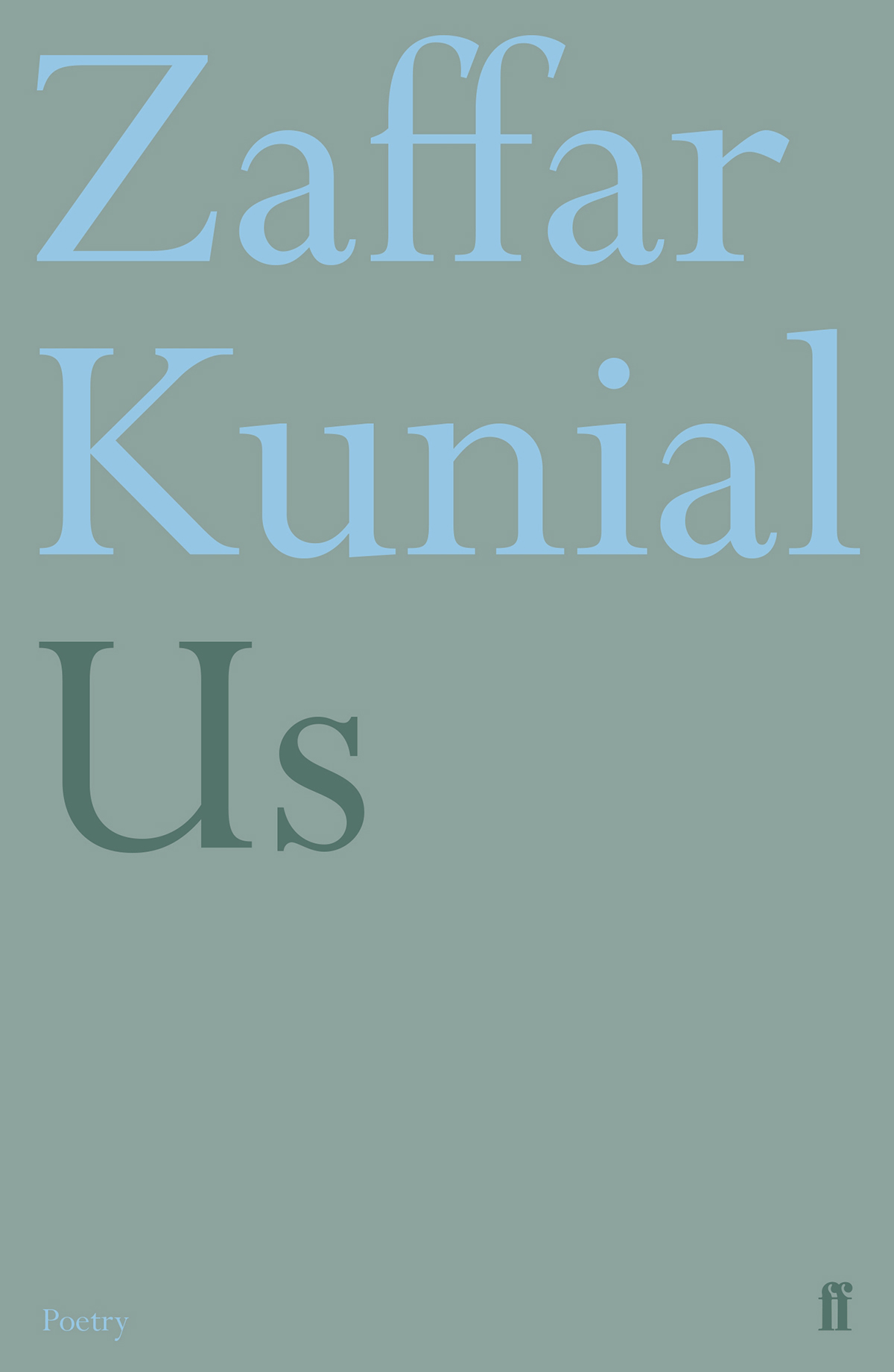
Us by Zaffar Kunial abounds with poems which are witty, playful and heartbreaking by turns. Drawn to the place where things don’t quite meet, which he describes as ‘a kind of abysmal underneathness/or usness/under the heights of language’, his is a wondrous poetic of loopholes, portals and translations, and of the magic in-between.

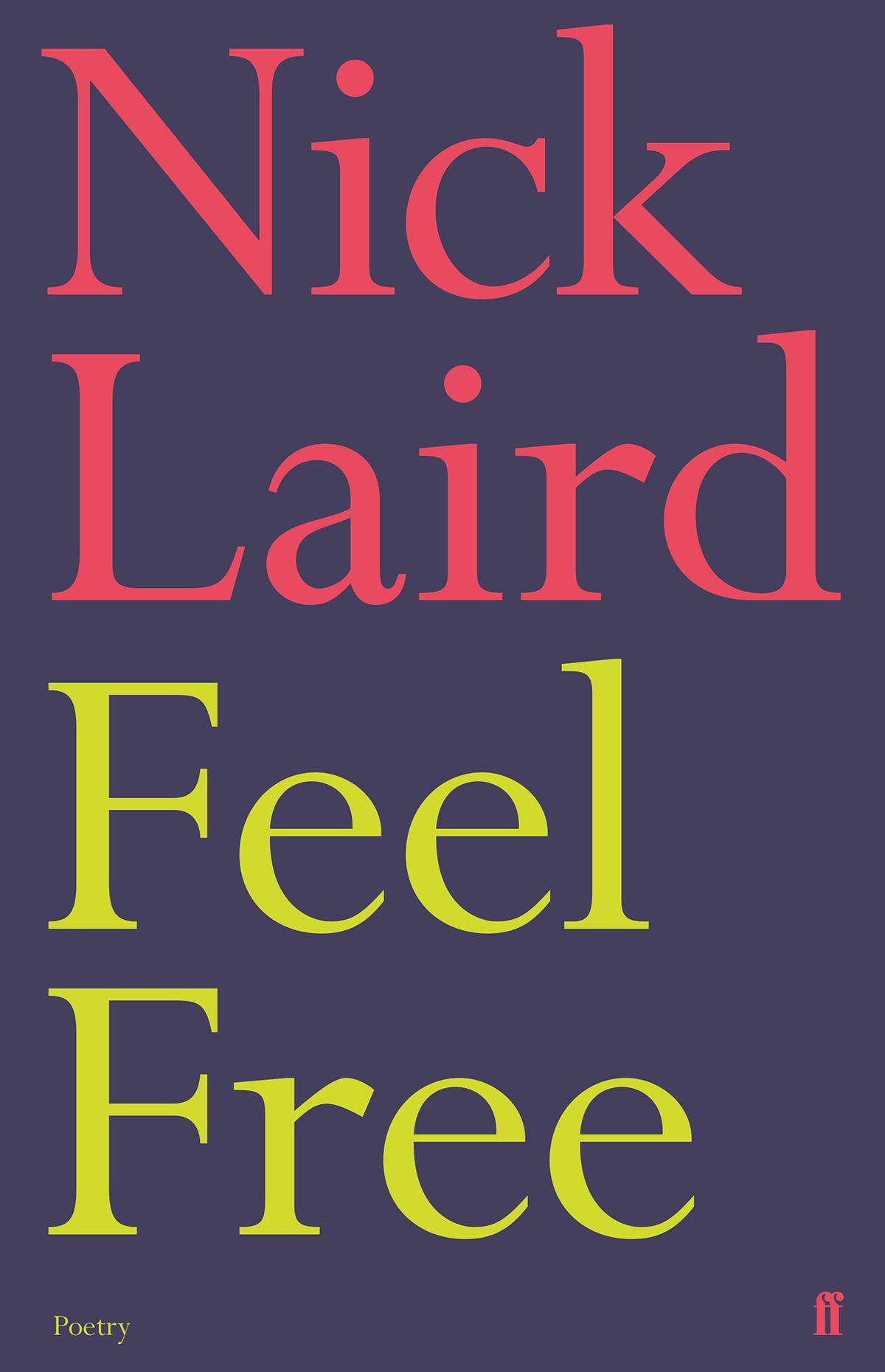
In Nick Laird’s exhilarating Feel Free, multiple poetic modes – public and private elegies, love poems, political poems, parables – are each as deftly and surprisingly handled as the next. This is a brilliant and necessary collection, filled with spooky action, both up close and at a distance, and one with which I have indeed felt privileged to interface.

The two key themes of Fiona Moore’s The Distal Point – personal grief and Eastern Europe during the Cold War – are united by their shared emphasis on bewildering terrain, conveyed in careful, understated language. Like the mind that ‘eats its own page into lace’, this collection is as equally, and beautifully, patterned, resonating with lyric grace.

Europa by Sean O’Brien, a dark meditation on the idea of Europe, and of those slaughtered in the name of its individual nationalisms, couldn’t be more apposite, or timely. Ambitious, prophetic and intensely atmospheric, Europa is yet another outstanding collection from one of Anglophone poetry’s most accomplished practitioners.

Phoebe Power’s The Shrines of Upper Austria engages with many themes – global warming, Brexit, the Second World War – with dashing confidence and brio. Strikingly, Power blends German and English, without comment or translation, forging a new language out of shared inheritances, both personal and national, and radically destabilising the notion of borders.

With his electric Soho, Richard Scott has arrived like a lightning bolt in our midst. In poetry that moves so fast we’re left breathless, this is protean, irreverent, urgent work, a dazzling exploration of gay desire, shame, and identity, whose tour-de-force final poem Oh My Soho! excavates a ‘true lineage’ and enacts what it describes: ‘a blueprint of queer hope’.

Wade in the Water by Tracy K. Smith is a work freighted with terrible history – from slavery and the Civil War, to corporate poisoning – whose very angels have teeth ‘ground down almost to nubs’. It is a sustained and luminous reckoning, a work of love as much as of redress, and another essential collection from the USA’s Poet Laureate.

Hannah Sullivan’s Three Poems is another magnificent debut this year, assured, cool, and anthropological in its focus on a life lived via distinct stages and in discreet contexts. The elasticity of her poetic gift – the sheer range of what she can make language do and say – coupled with formal mastery, ensures we’ll be reading this collection for years to come.

The decision of the judges was unanimous. The winner of the T. S. Eliot Prize 2018 is Three Poems by Hannah Sullivan.
This speech was given at the T. S. Eliot Prize 2018 Award Ceremony at the Wallace Collection, London, on 14 January 2019.