In 2023 the T. S. Eliot Prize celebrated its 30th anniversary. We marked the occasion by looking back at the collections which have won ‘the Prize poets most want to win’ (Sir Andrew Motion).
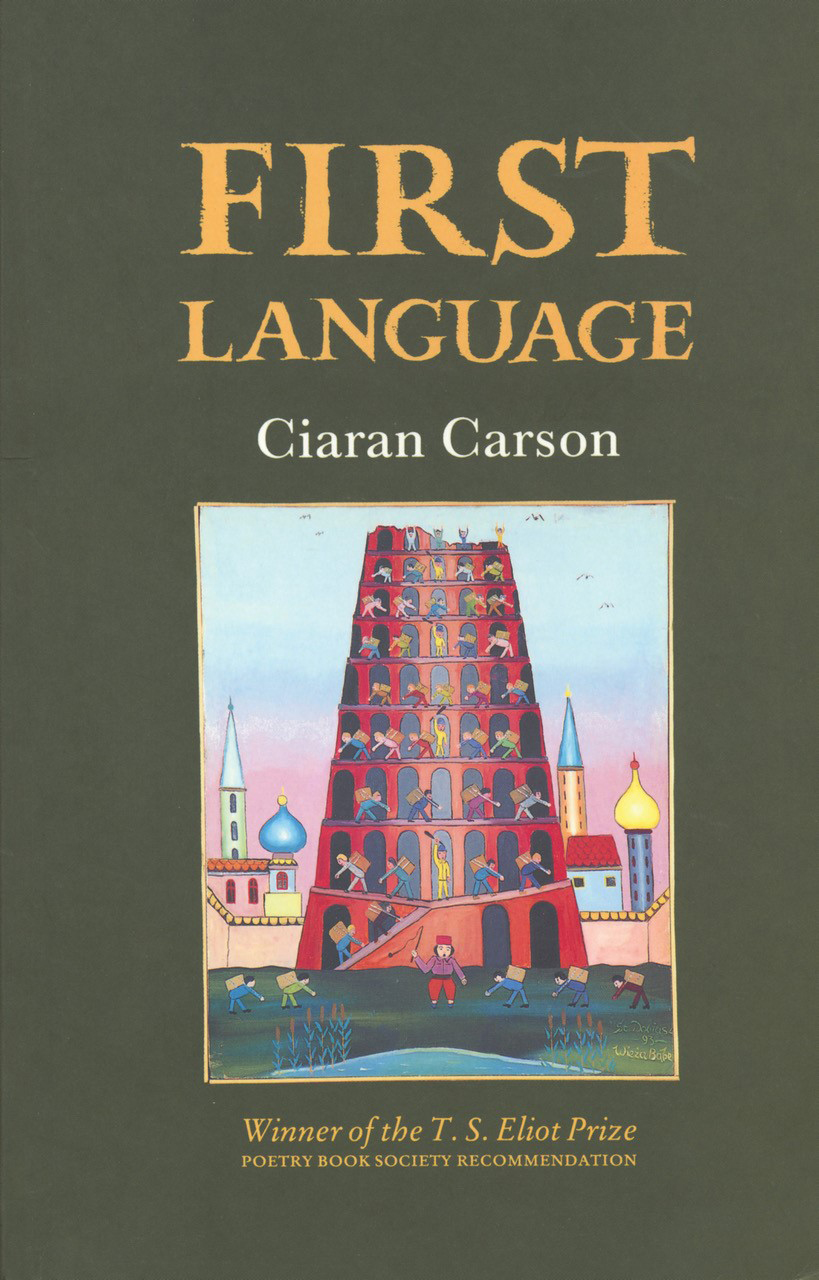
With a title befitting a newly inaugurated award, Ciaran Carson won the first T. S. Eliot Prize in 1993 with First Language (Gallery Press), the fifth of his critically acclaimed collections.
John Lucas, who was on the panel in 1993, alongside Peter Porter (Chair), Fleur Adcock, Edna Longley and Robert Crawford, described the judging process in his report for the Poetry Book Society Bulletin: ‘We were in broad agreement about the best five collections, but could we agree about which was the best of the best? Perhaps we ought to name our top three choices, Peter [Porter] suggested, and list them in descending order. We went round the table and suddenly it was all over. Three out of five judges had First Language at the top of their list. Ciaran Carson was the winner.’
Ciaran Carson sadly died in 2019. We asked his publisher, Peter Fallon of Gallery Press, to look back on Ciaran’s win. He wrote:
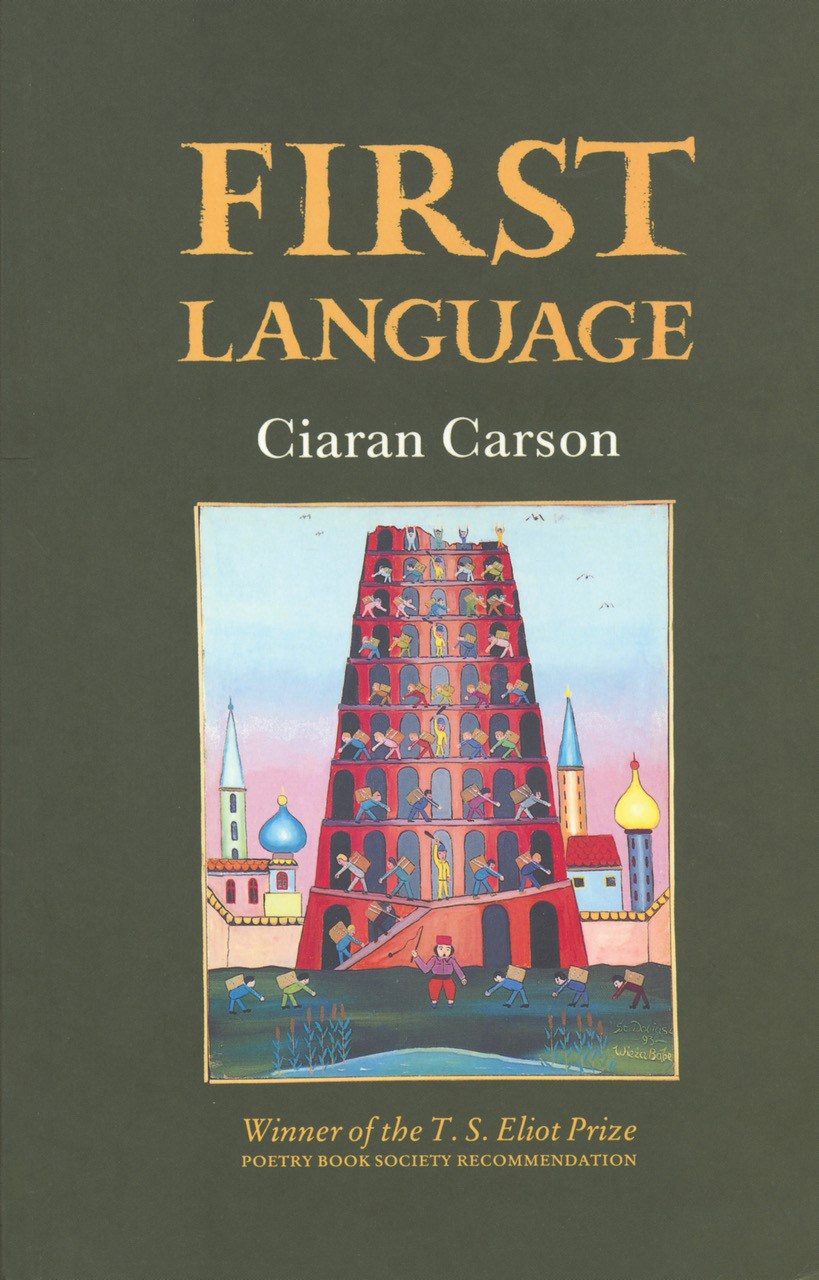 That Ciaran Carson’s First Language received the inaugural T. S. Eliot Prize is, in almost all respects, no surprise. To return to this collection – a book which opens with a poem in Irish (with a title in French) followed by a poem called ‘Second Language’ – is to be reminded that this protean poet followed from the beginning the reminder he includes in ‘Two to Tango’: ‘And you make sure you don’t repeat yourself.’
First Language, hot on the heels of Ciaran’s thrilling, unlike-anything-else The Irish for No (1987) and Belfast Confetti (1989) with their long, rambling lines, broke from the narrative-driven to an almost rhyme-led formal exhibition of poems as fresh, even still, as new paint. ‘We’d done a deal of blow’, begins ‘Grass’ and there’s a drug-filled and fuelled adventure to the often preposterous chimes and rhymes in wholly original poems and brilliant afterwords of Ovid (of course), Baudelaire and Rimbaud’s ‘Drunk Boat’, culminating in the collection’s masterpiece, ‘The Ballad of HMS Belfast’.
Peter added:
No surprise that it received the award ‘in almost all respects’… but in one it is. Though the T. S. Eliot Prize announces itself as open to the ‘best collection of new verse published in the UK or Ireland in any particular year’, this is the only time an Irish-published book received the award. Something has changed. While in the first half of the Prize’s life Gallery Press books featured regularly on the shortlist none has been included since 2009. Similarly with the Forward Prizes, as nominally ‘open’ to books published in the UK and Ireland, while Gallery books and a Gallery author were included in each of their categories in 2002, winning two of them, and a Gallery book won the Best Collection Prize in 2003 these were the last, and only, times Irish-published books appeared on their lists. The books we’ve been publishing in the last twenty years are as good as ever. Was that all a healthier time? A time with language first, wherever it came from?
Long life to the T. S. Eliot Prize for books published in the UK and Ireland.
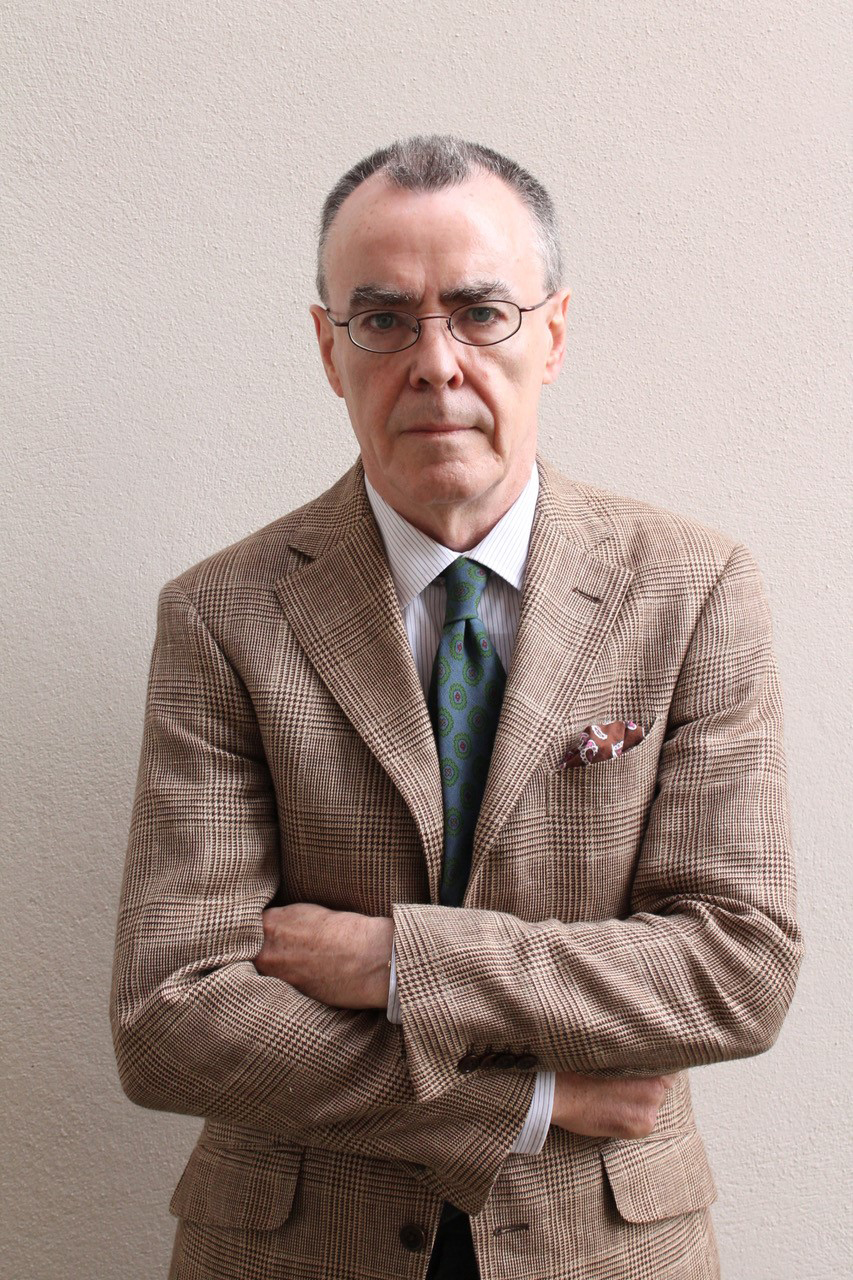
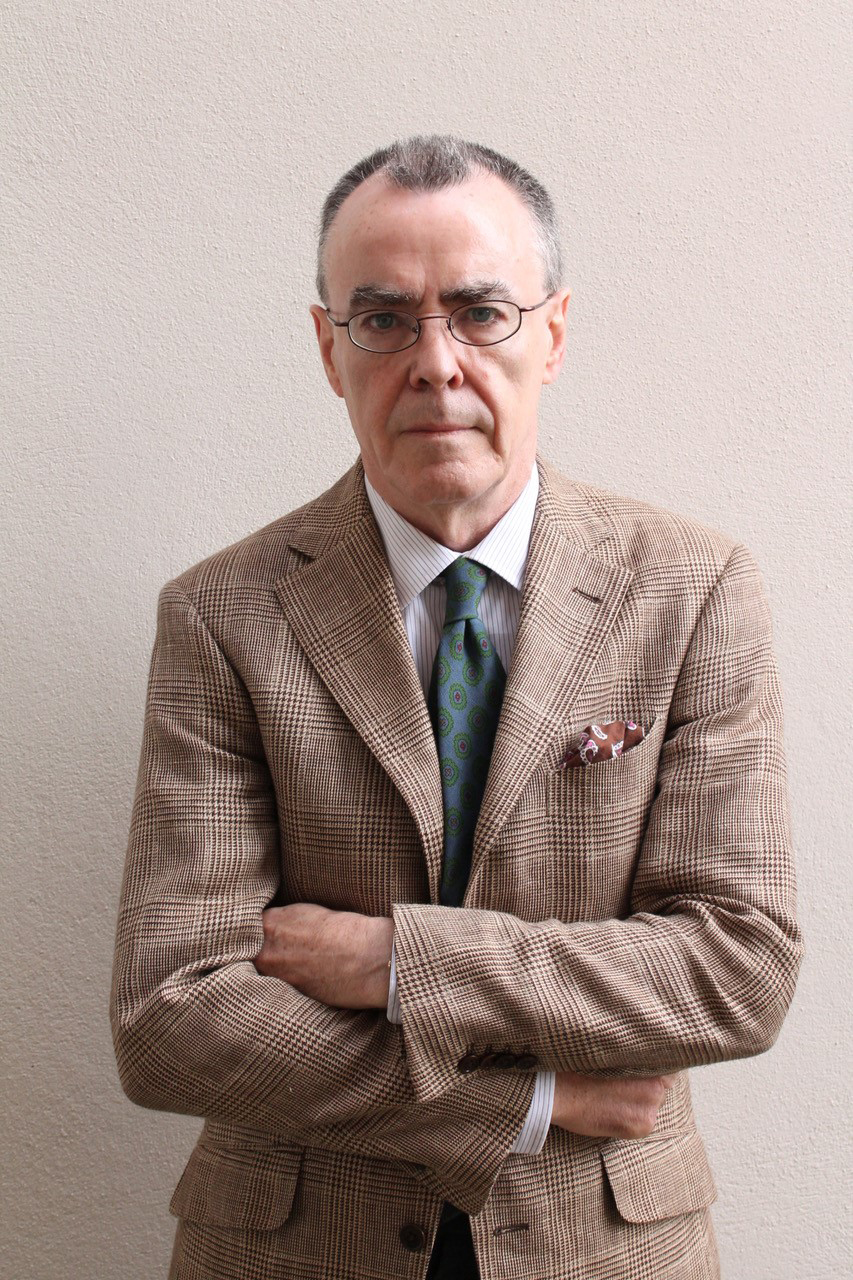
A multi-award-winning poet and, from 2003, Professor of Poetry and Director of the Seamus Heaney Centre at Queen’s University, Belfast, Ciaran Carson died on 6 October 2019. You can read a tribute to him on the Gallery Press website. (Ciaran Carson photo by Gerard Carson, The Gallery Press.)
About the T. S. Eliot Prize
The T. S. Eliot Prize celebrated its 30th anniversary in 2023. Awarded annually to the best new poetry collection published in the UK and Ireland, the Prize was founded by the Poetry Book Society in 1993 to celebrate the PBS’s 40th birthday and to honour its founding poet. The T. S. Eliot Estate has provided the prize money since the Prize’s inception in 1993, and the T. S. Eliot Foundation took over the running of the Prize following the acquisition of the PBS by InPress Books in 2016. For more on the history of the Prize, visit tseliot.com/prize/about