Parisa Ebrahimi on a celebrated imprint, now run entirely by women
 Chatto & Windus has a long and illustrious history of publishing poetry. Founded in 1855, it is one of the UK’s oldest literary imprints, and the oldest continuous imprint at Penguin Random House. Poetry has formed the backbone of our list from its very beginnings. Our backlist includes Elizabeth Bishop, Wilfred Owen and C. P Cavafy, and was historically presided over by some of the great poets of the last century – including our country’s poet laureates. Today, we are an imprint run entirely by women, and the Chatto poetry list is now synonymous with some of the most exciting, diverse and ground-breaking young poets at work today. Since 2009 our poets have changed the cultural conversation around poetry: around what it looks like, what it sounds like, who is writing it, and how it is has come to be perceived in the British Isles today.
The books we welcome on to our list are united by their literary merit, linguistic richness, cultural diversity and (perhaps most importantly) a depth of feeling. What’s most important to us is that our poets feel like a family – their books are so often in dialogue with one another, as well as the world around us.
Our list has encompassed many ‘firsts’ in the poetry world. In 2015, our poet Sarah Howe won the T. S. Eliot Prize, the UK’s most prestigious poetry prize. Her book, Loop of Jade, was the first debut – and Sarah the first woman of colour – to have won the prize in its history. In many ways, this paved the way for a shift in British poetry towards a more inclusive poetics that we see today
Since then, our poets have won every single major poetry prize in the UK. In 2018, our poets won four major awards across the poetry prize spectrum: the Forward Prize for Best Single Poem (Liz Berry), the Forward Prize for Best Collection (Danez Smith, again with another first: the youngest-ever winner of the prize), the Ted Hughes Award for New Work in Poetry (Jay Bernard), and the Dylan Thomas Prize (Kayo Chingonyi).
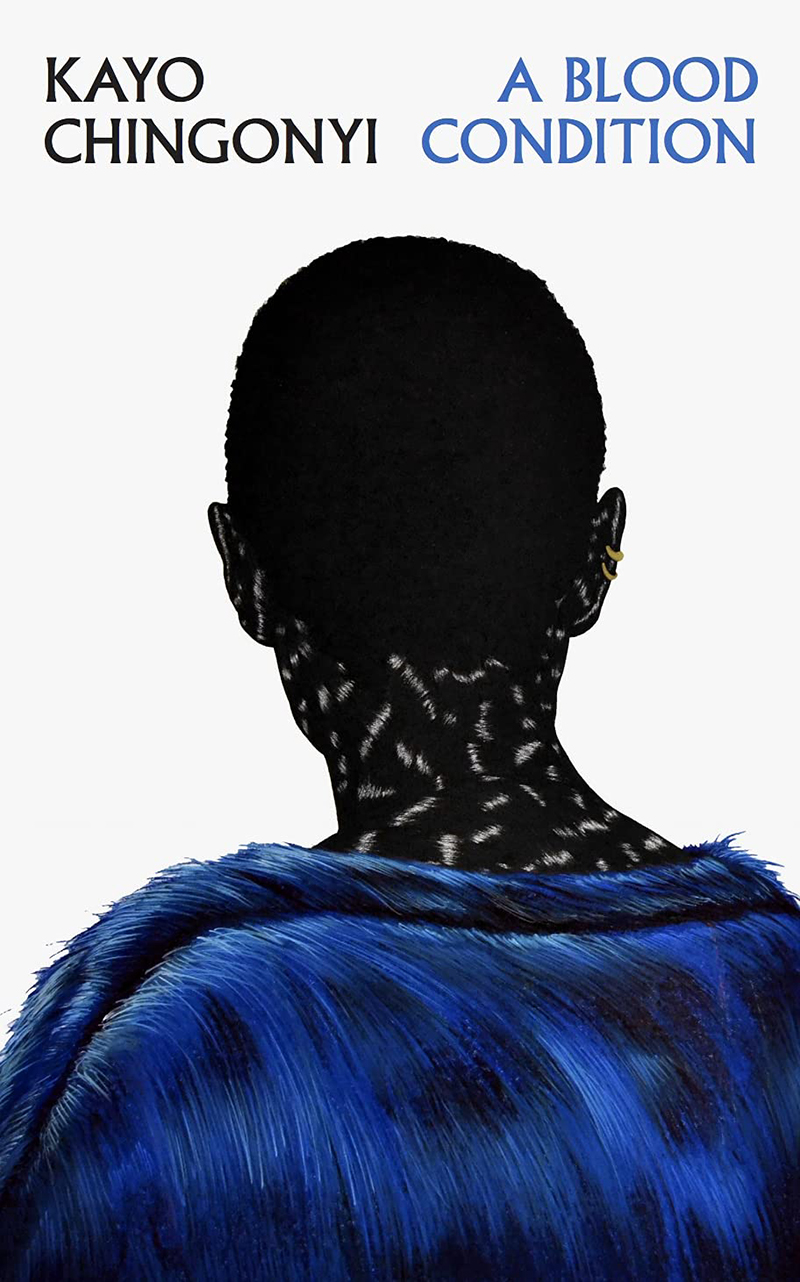
Kayo Chingonyi comes to poetry with an extraordinary range of influences, and has understood from the start the power his poems have not only to impress the reader but to move them as well. His poems embody that depth of feeling which is so integral to the Chatto poetry list. No more so than in his latest collection, which grew out of a very personal place for Kayo. These are poems of risk and solace. Now a poetry editor himself, and about to launch his own list at Bloomsbury, I’ve no doubt he will shape the poetic landscape for the next generation and decades to come.
To discover more about Chatto Poetry, visit the website. This article was published on 18 November 2021.