This article on the T. S. Eliot Prize was first published in the Poetry Book Society’s PBS Bulletin in Winter 2004/5.
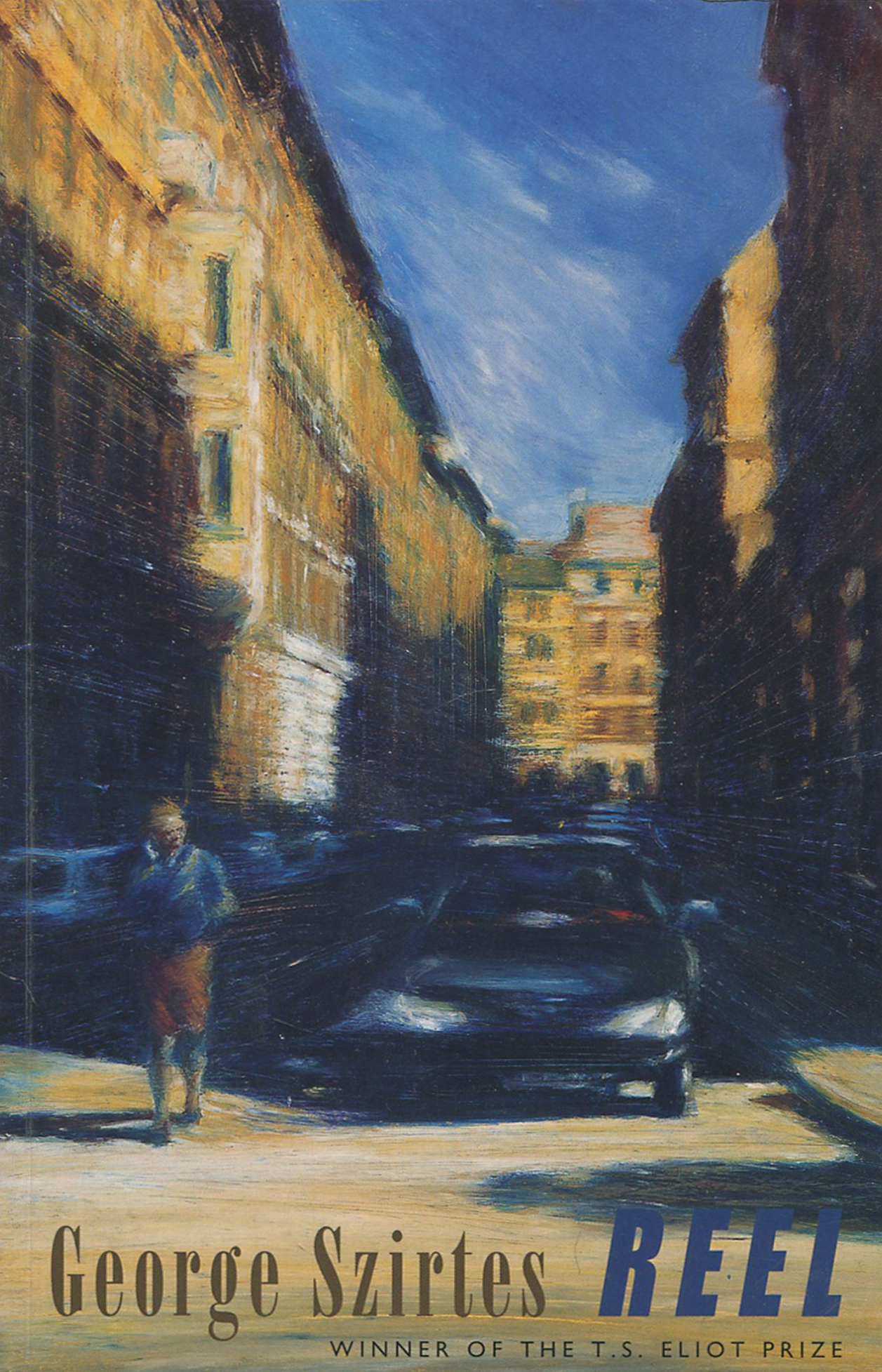
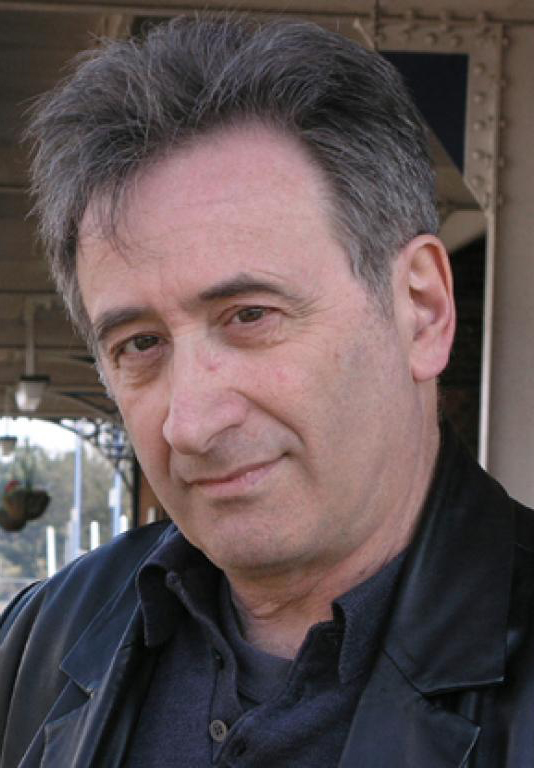
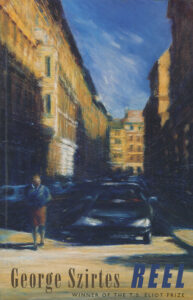 ‘Off to London soon to make whoopee. Well, to read three or four poems and make something: conversation mostly.’ George Szirtes’ website diary entry for the night before the T. S. Eliot Prize 2004 award ceremony is characteristically modest and amusing. Reporting his own win the next day, however, the blog style becomes beguilingly enthusiastic and full of surprise. The result came as no surprise of course to the judges of this year’s Prize, for whom Reel was a clear favourite. The book is ‘a brilliantly virtuosic collection of deeply felt poems concerned with the personal impact of dislocations and betrayals of history’ reported Douglas Dunn, announcing the winner. Professor Dunn, who chaired the judging panel, added ‘the judges were impressed by the unusual degree of formal pressure exerted by Szirtes on his themes of memory and the impossibility of forgetting’.
Guests at the ceremony, held in London on 17 January 2005, included three former Eliot Prize winners (Michael Longley, Don Paterson and Hugo Wiliams), entire anthologies of poets, their friends, publishers and promoters. All cheered as a stunned and smiling Szirtes was presented with a cheque for £10,000 by Mrs Valerie Eliot, T. S. Eliot’s widow. Mrs Eliot has generously supported the Prize since it was founded in 1993, overseeing its development to the point where it’s described today as ‘poetry’s equivalent of the Booker Prize’ (Daisy Goodwin).
News of Geroge’s win was reported thoroughly by the UK media – and on TV in Germany, Italy, Spain, India and his native Hungary, a generous tribute to a poet whose Eliot Prize win was popular and well-deserved.
This article has been republished to provide a fuller picture of the T. S. Eliot Prize history. The Poetry Book Society ran the T. S. Eliot Prize until 2016, when the T. S. Eliot Foundation took over the Prize, the estate having supported it since its inception.