This article on the early years of the T. S. Eliot Prize was written and added to the website in 2025.
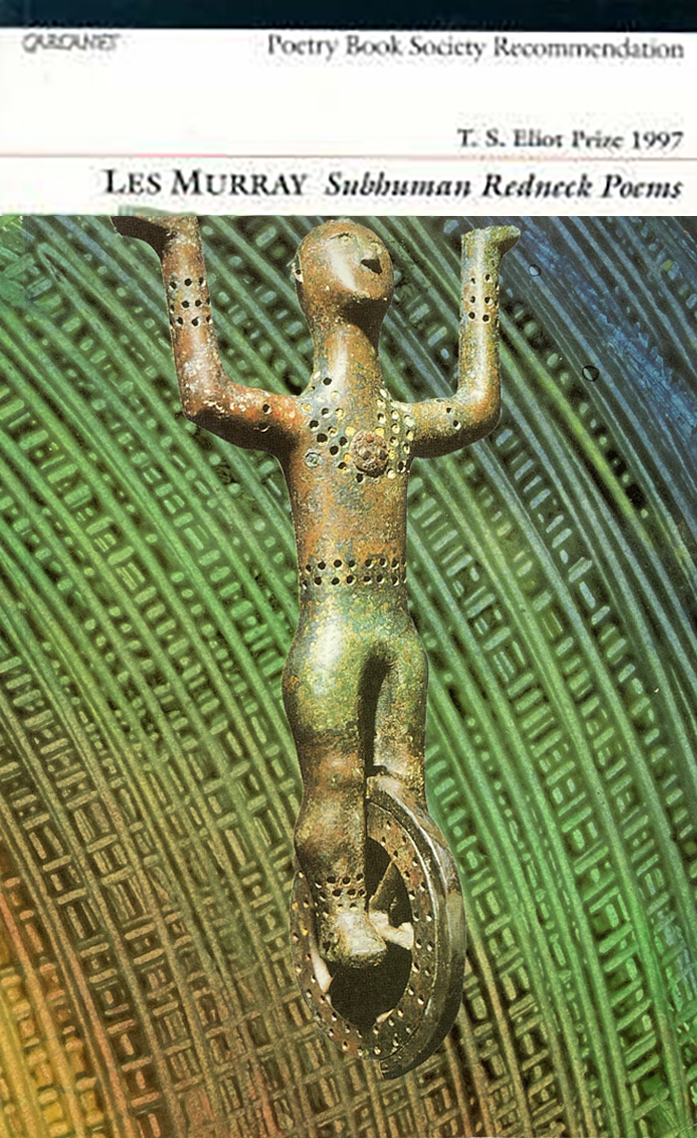
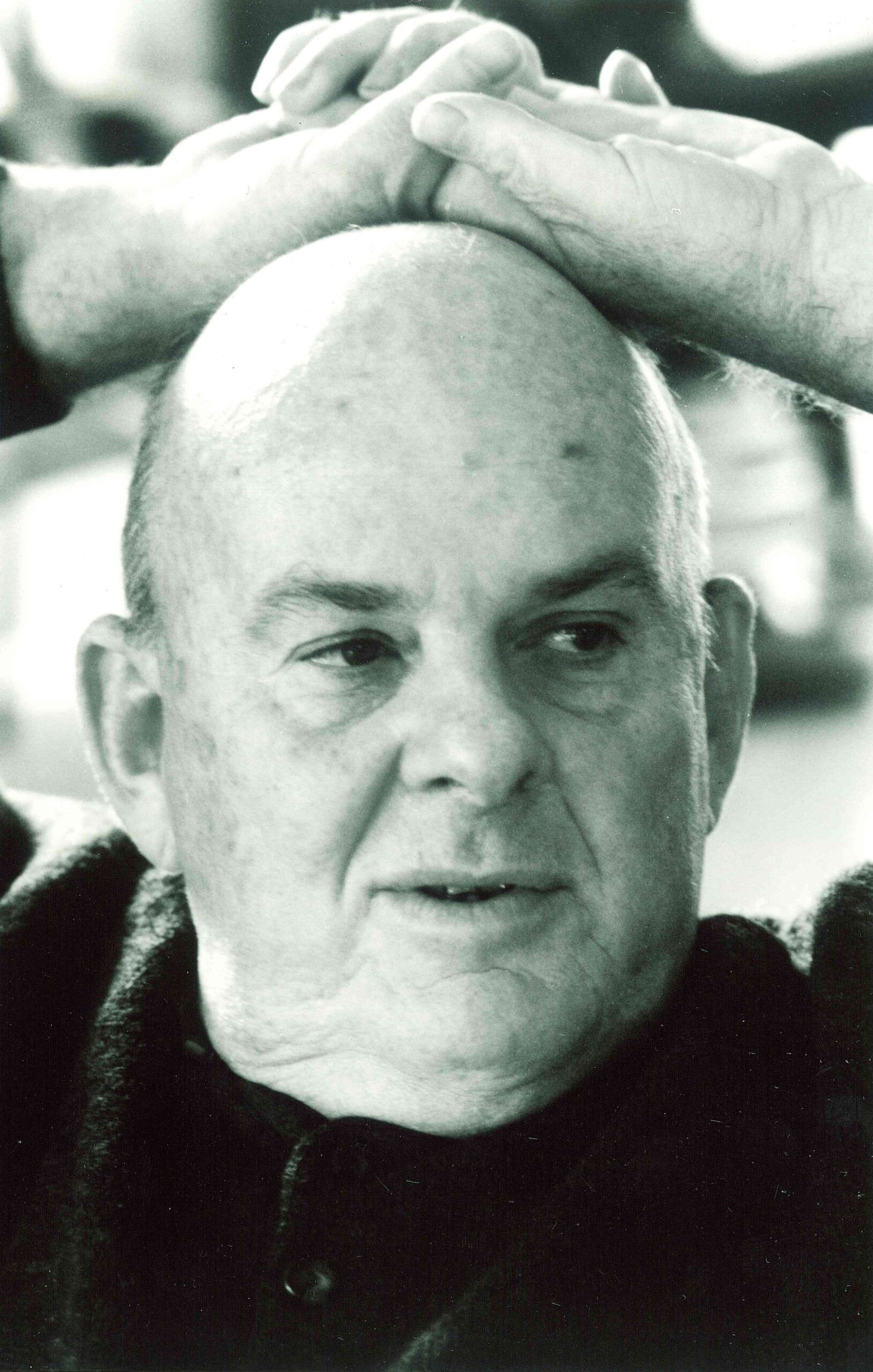
 The winner of T. S. Eliot Prize 1996 was Australian poet Les Murray for his collection Subhuman Redneck Poems (Carcanet Press). Although he was unable to be present at the Award Ceremony at the British Library, London, on 13 January 1997, he was delighted to have won.
The judges were Andrew Motion (Chair), Helen Dunmore and Ruth Padel. In his Chair’s speech, Andrew Motion said:
Praising Les Murray is as hard as praising Seamus Heaney: the language has all been used up. Murray himself presents these new poems in a way which is at once deprecating and defiant… like everything else he has written in the past, they have a pell-mell drive, a genius for inclusion, a watchfulness, and a sense of wonder (sometimes frankly religious, sometimes familiarly human and definitely not subhuman). It’s a capacious, generous book, written in Murray’s powerfully distinctive style: he has developed a line which is as tough as it needs to be, but flexible enough to wind round whatever he catches in the big net of his imagination.
Murray’s collection was chosen from a shortlist of ten books:
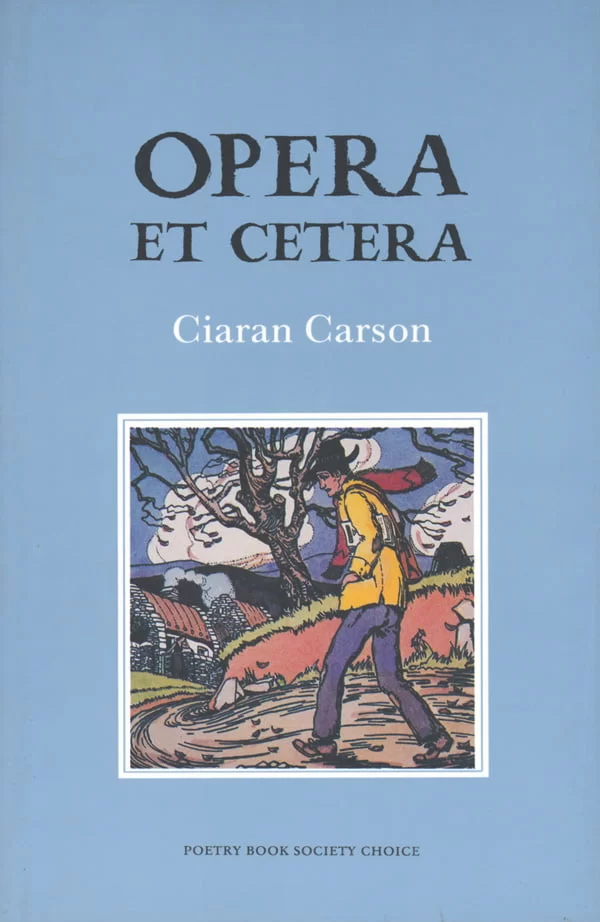
Ciaran Carson – Opera Et Cetera (Bloodaxe Books / Gallery Press)
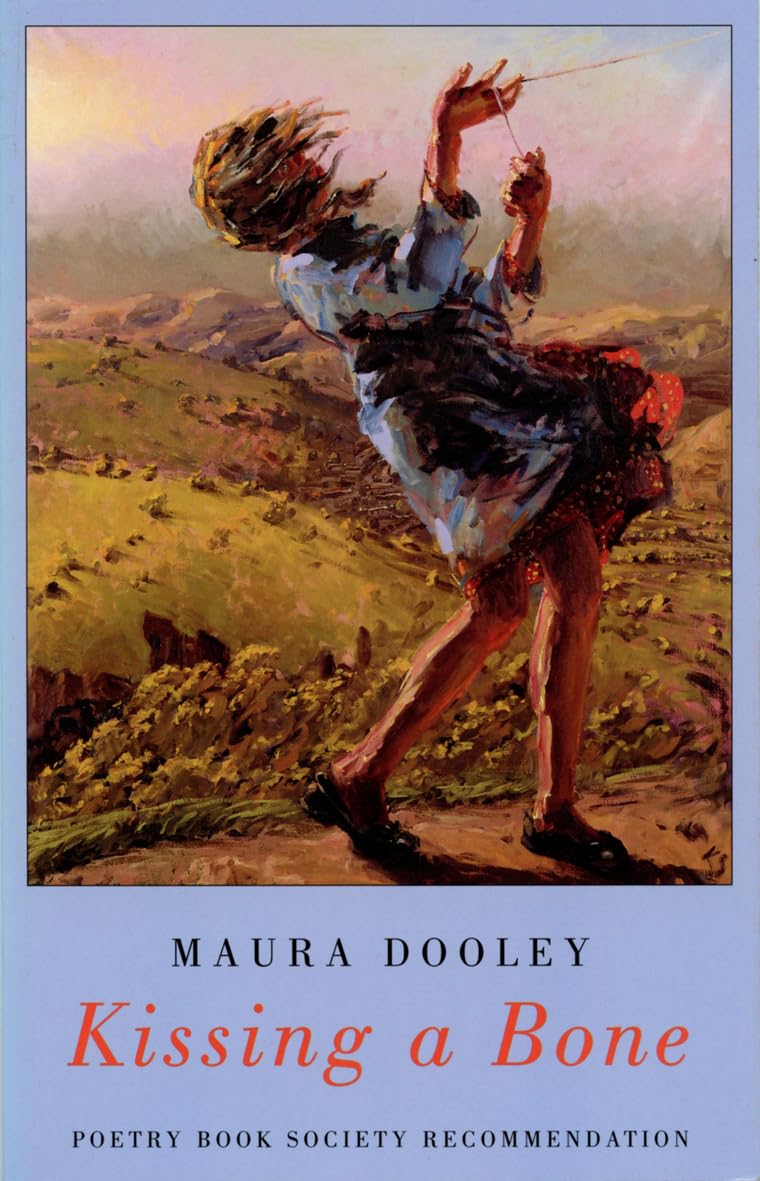
Maura Dooley – Kissing A Bone (Bloodaxe Books)
John Fuller – Stones and Fires (Chatto & Windus)
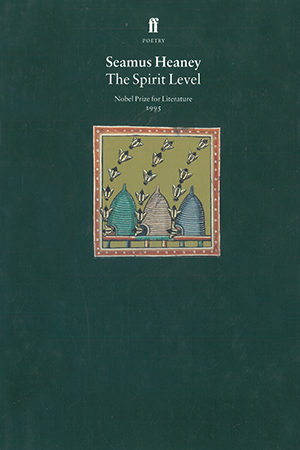
Seamus Heaney – The Spirit Level (Faber & Faber)
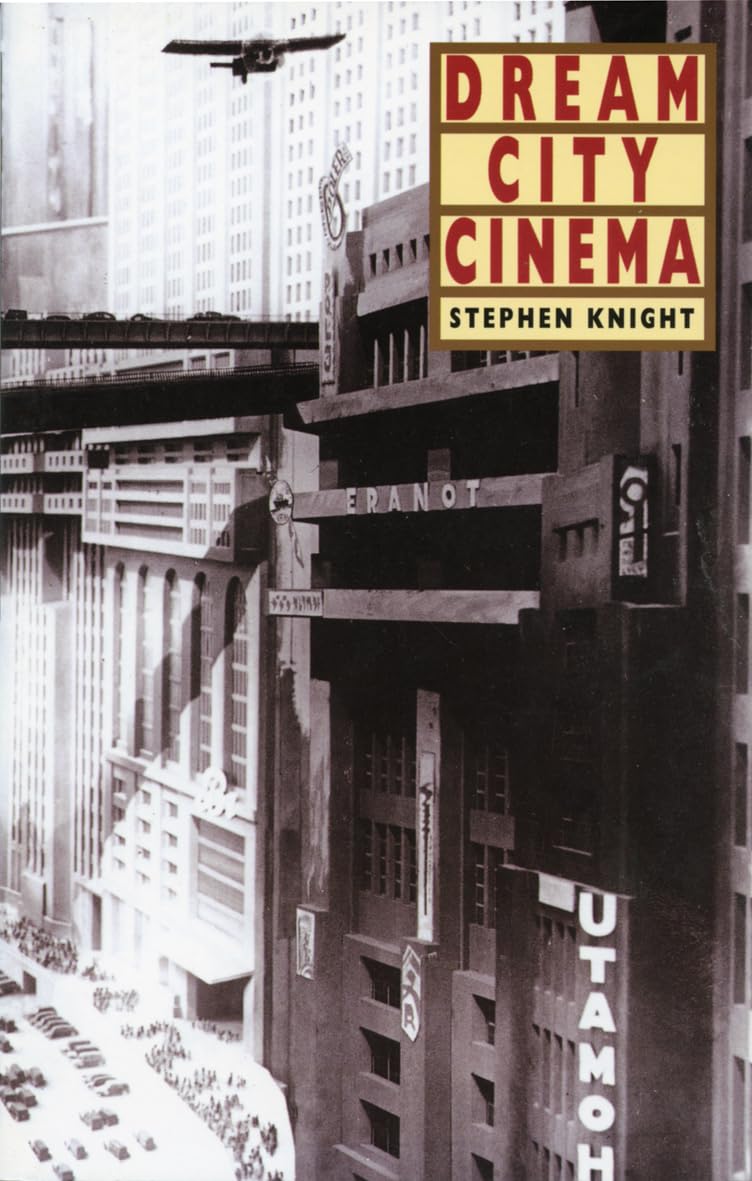
Stephen Knight – Dream City Cinema (Bloodaxe Books)
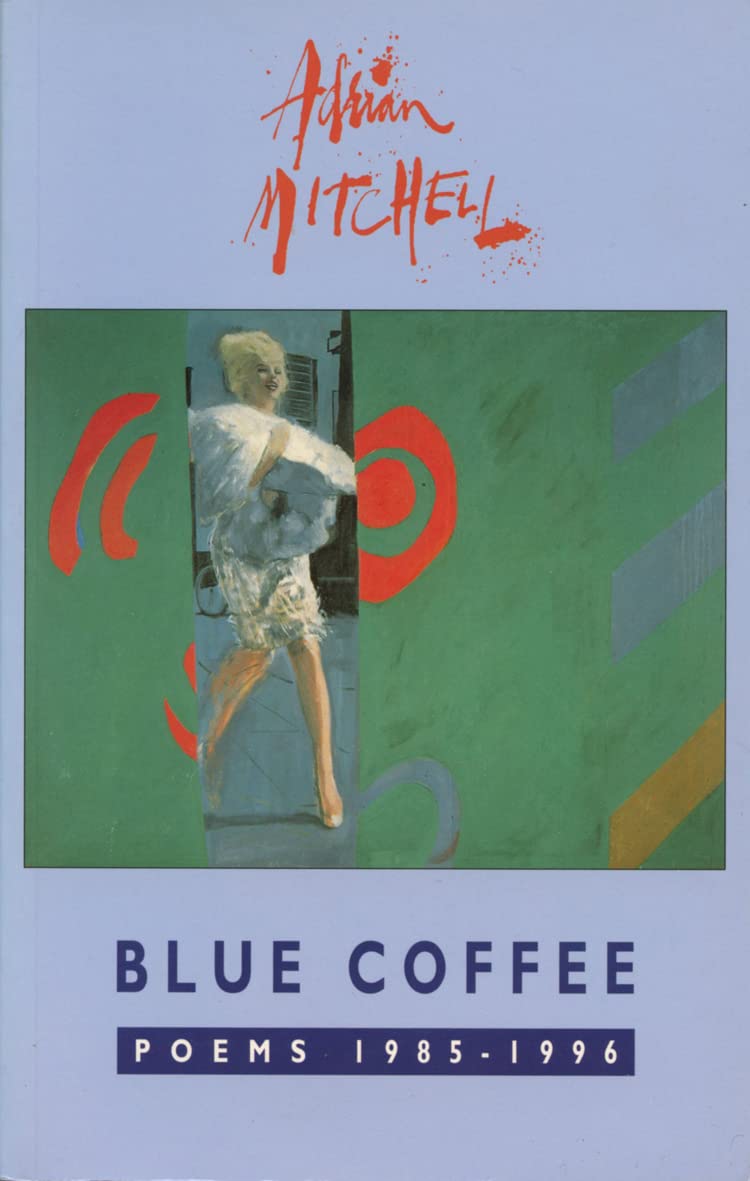
Adrian Mitchell – Blue Coffee (Bloodaxe Books)
Les Murray – Subhuman Redneck Poems (Carcanet)
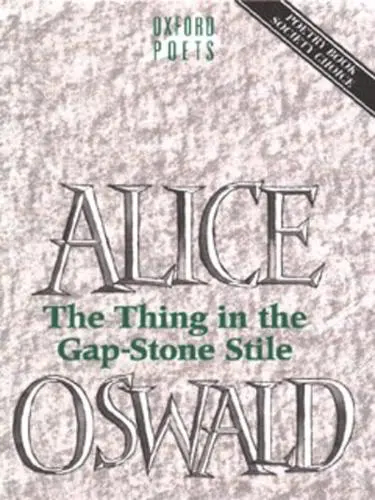
Alice Oswald – The Thing in the Gap Stone Stile (OUP / Oxford Poetry)
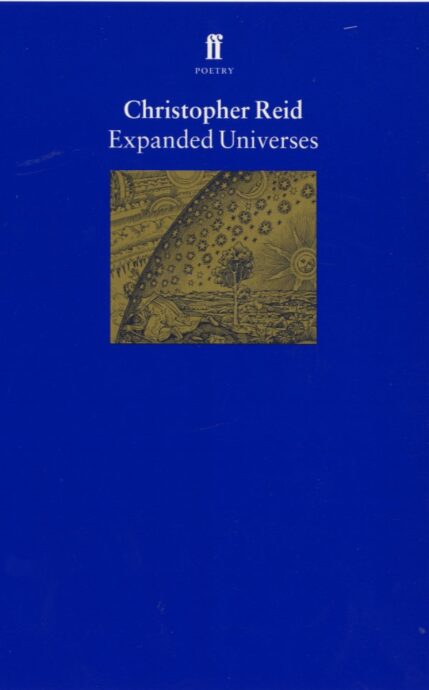
Christopher Reid – Expanded Universes (Faber & Faber)
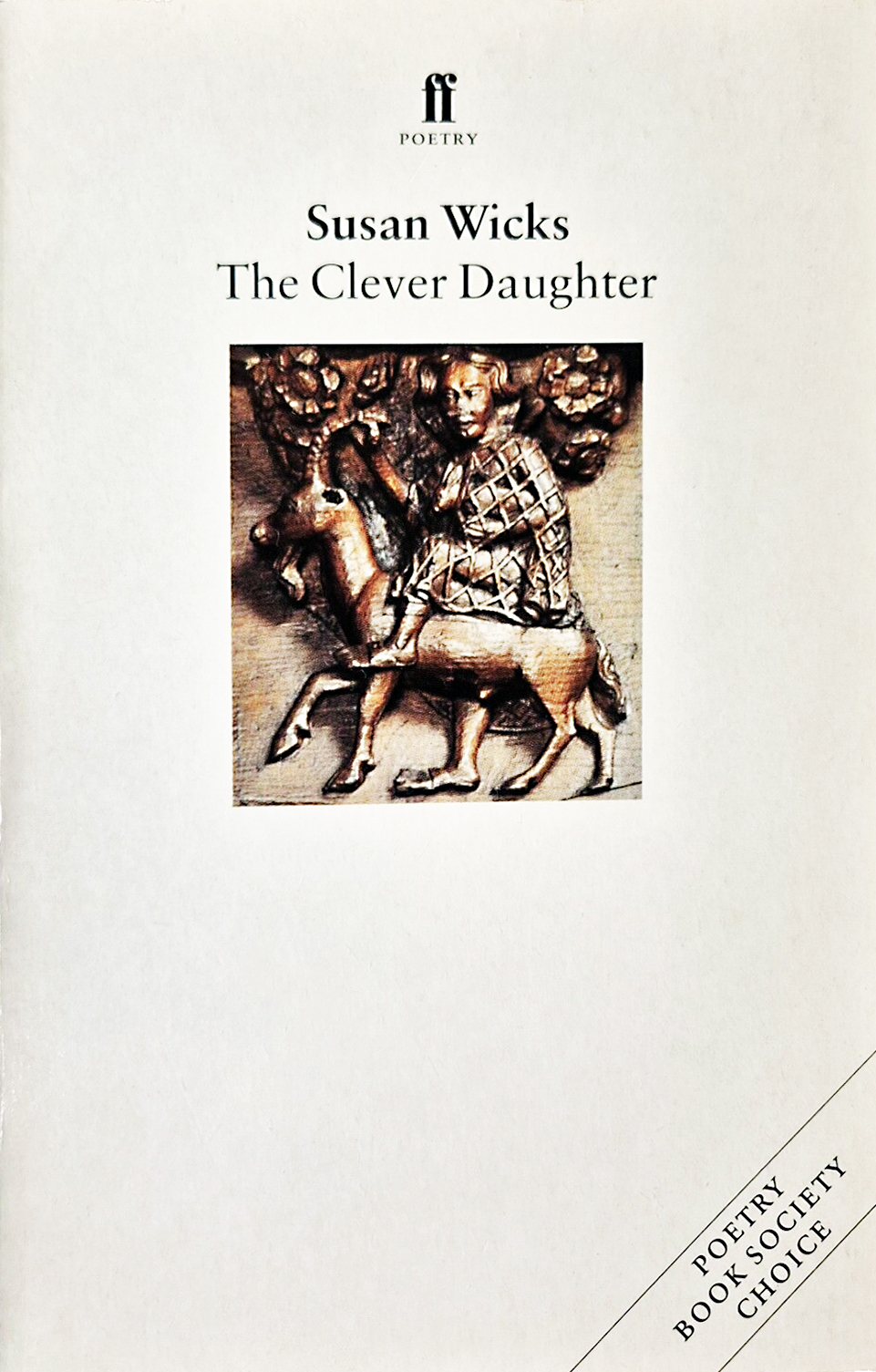
Susan Wicks – The Clever Daughter (Faber & Faber)
This article, compiled from contemporary reports, has been published to provide a fuller picture of the T. S. Eliot Prize history.
The T. S. Eliot Prize was inaugurated by the Poetry Book Society in 1993 to mark the Poetry Book Society’s fortieth birthday, and to honour its founding poet. The T. S. Eliot estate has provided the prize money since the Prize’s inception, and the T. S. Eliot Foundation took over the running of the Prize in 2016, following Inpress Books’ acquisition of the PBS.