This article on the T. S. Eliot Prize was first published on the Poetry Book Society website in 2012.
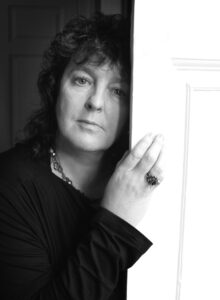
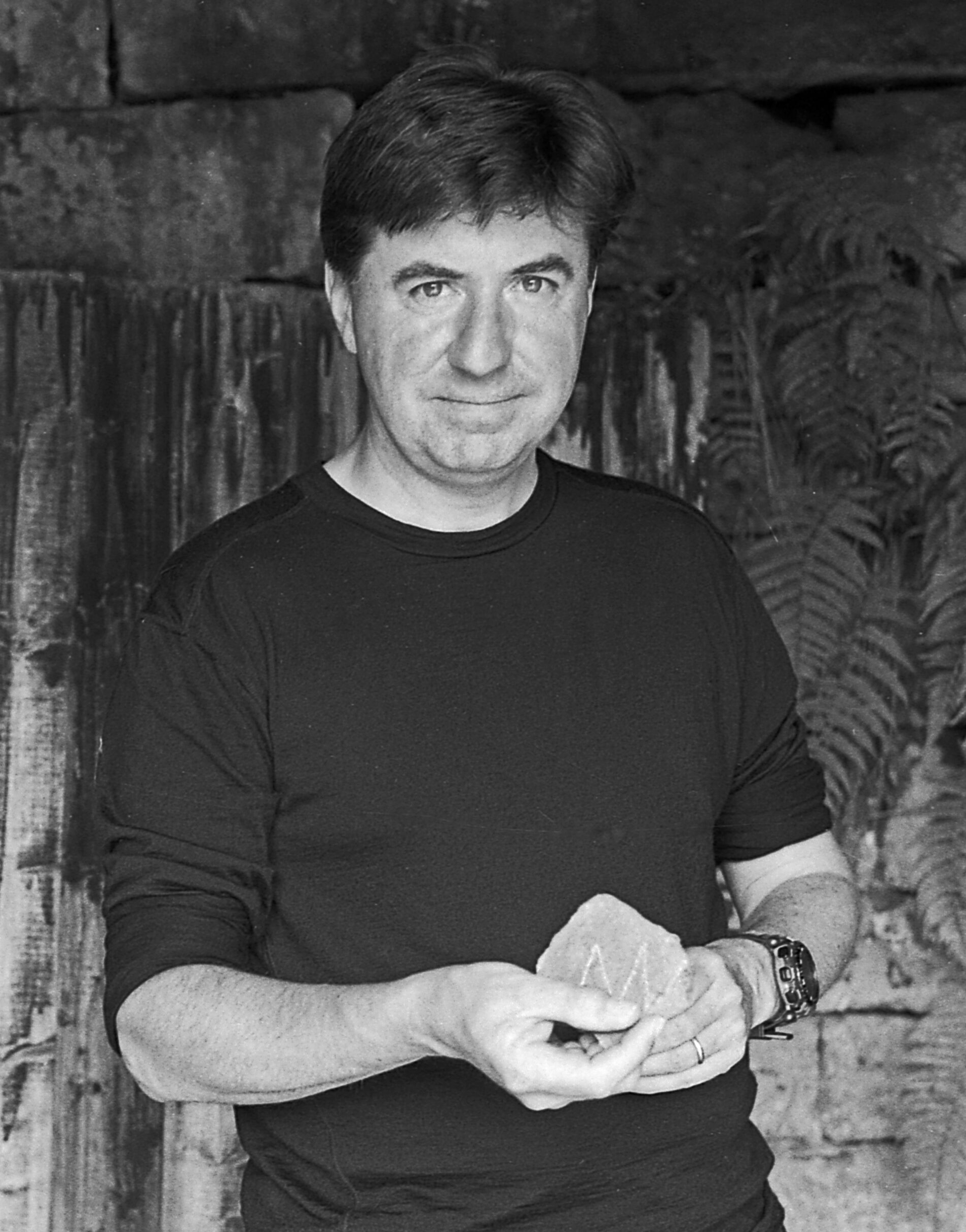
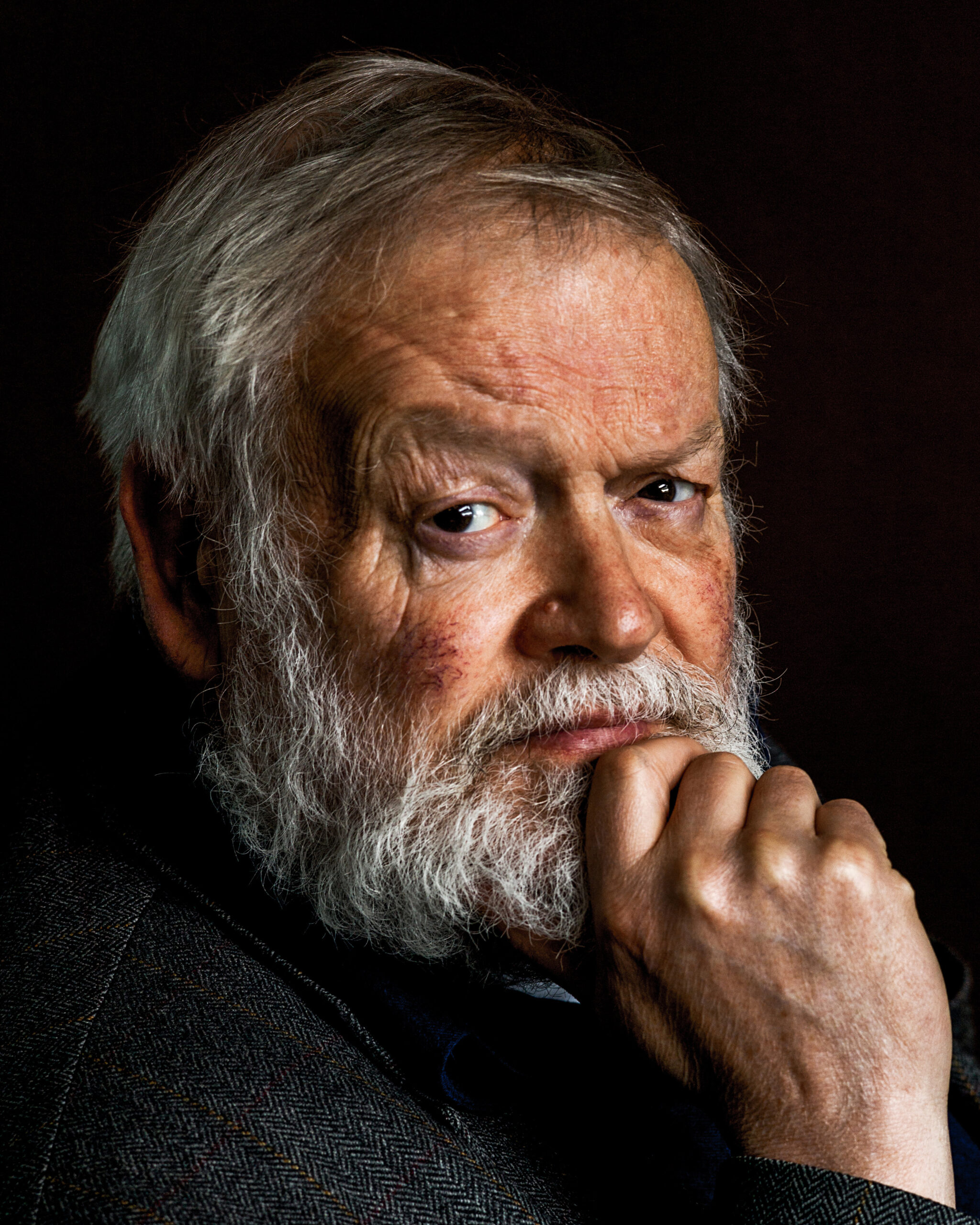
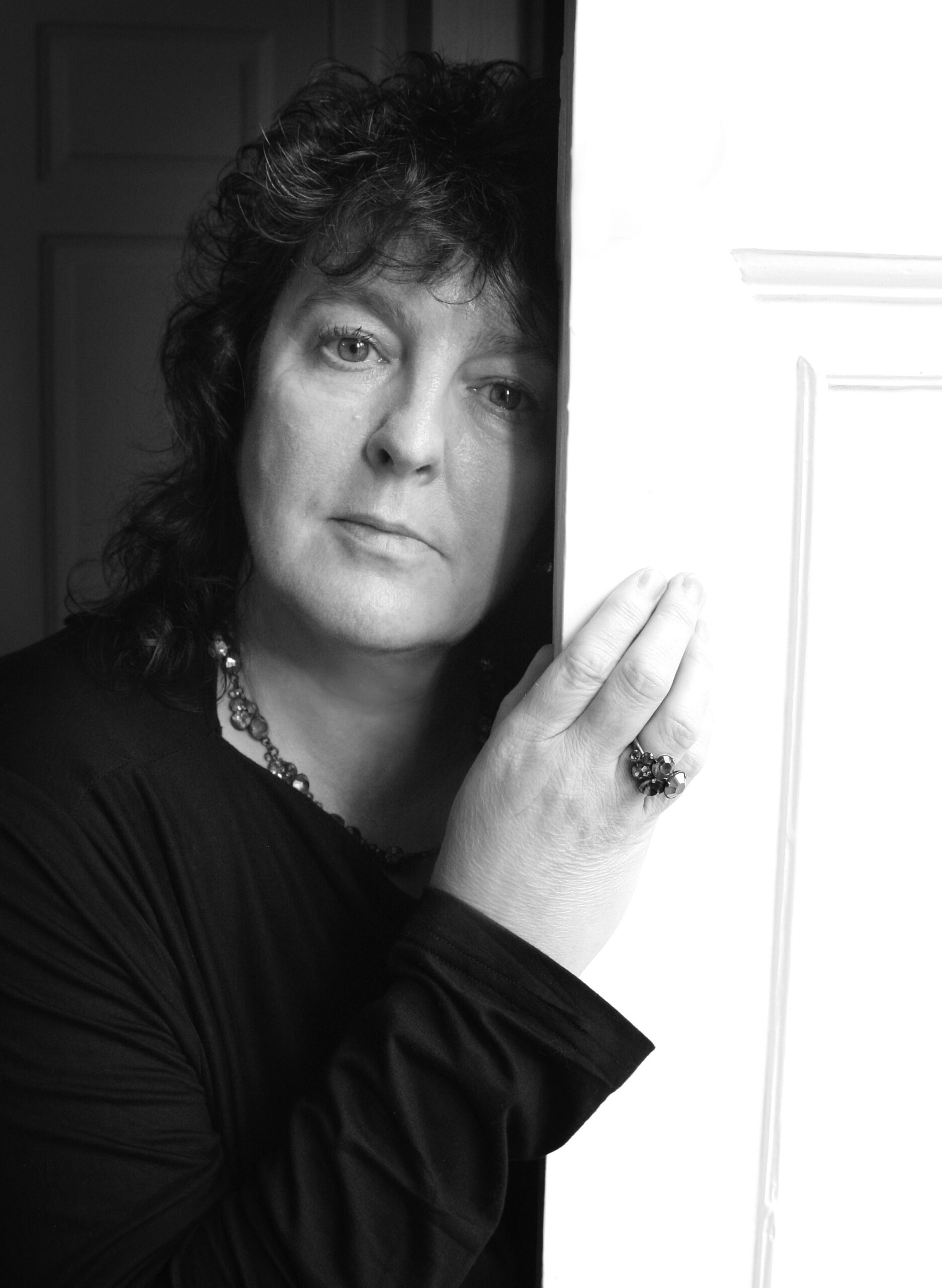
The Poetry Book Society is delighted to announce the judges for the T. S. Eliot Prize for Poetry 2012. Carol Ann Duffy will be Chair and the other two judges will be poets Michael Longley and David Morley.
The judges will meet in October to decide on the ten-book Shortlist. The four Poetry Book Society Choices from 2012 are automatically shortlisted for the Prize. The Spring 2012 Choice was The Death of King Arthur by Simon Armitage (Faber & Faber) and the Summer Choice was The Dark Film by Paul Farley (Picador Poetry). They will be joined on the Shortlist by the PBS Autumn Choice, P L A C E by Jorie Graham (Carcanet Press), and the Winter Choice, which will be announced in August.
The T. S. Eliot Prize Shortlist Readings will take place on Sunday 13 January 2013 in the Royal Festival Hall, London. The 2010 Readings were held in this new venue for the first time and were a great artistic and audience-building success, attracting 2,000 poetry lovers, one of the biggest audiences for a single poetry event of recent times. The winner of the 2012 Prize will be announced at the award ceremony on Monday 14 January 2013, where the winner will be presented with a cheque for £15,000, donated by Mrs Valerie Eliot, who has generously given the prize money since the inception of the Prize. The shortlisted poets will each receive £1,000.
The T. S. Eliot Prize Reading Groups scheme will enable reading groups and individual readers to read the Shortlist. Specially commissioned reading group notes, together with three poems from each shortlisted collection, will be made available to download from the Poetry Book Society website. The scheme will target both poetry reading groups and fiction book groups.
The T. S. Eliot Prize Shadowing Scheme, run by the Poetry Book Society in partnership with the English and Media Centre’s emagazine, will offer A Level students a chance to engage with the latest new poetry by shadowing the judges and taking part in a writing competition.
Last year’s winner was John Burnside for his collection Black Cat Bone (Cape Poetry). The judges were Gillian Clarke (Chair), Stephen Knight and Dennis O’Driscoll.
The T. S. Eliot Prize was inaugurated in 1993 to celebrate the Poetry Book Society’s 40th birthday, and to honour its founding poet. Now celebrating its twentieth year, the T. S. Eliot Prize is the ‘world’s top poetry award’ (Louise Jury, The Irish Independent). The Prize is awarded annually to the writer of the best new poetry collection published in the UK or Ireland. It is unique as it is always judged by a panel of established poets and it has been described by Sir Andrew Motion as ‘the Prize most poets want to win’.
Previous winners (in chronological order) are: Ciaran Carson, Paul Muldoon, Mark Doty, Les Murray, Don Paterson, Ted Hughes, Hugo Williams, Michael Longley, Anne Carson, Alice Oswald, Don Paterson (for the second time), George Szirtes, Carol Ann Duffy, Seamus Heaney, Sean O’Brien, Jen Hadfield, Philip Gross, Derek Walcott and John Burnside.
The Prize is generously supported by the T. S. Eliot Estate. This year marks the second year of generous three-year support from Aurum, a private investment management firm which manages funds for charities, pension funds, sovereign wealth funds and private individuals, and which supports a range of charities.
Author photo of Carol Ann Duffy © Jemimah Kuhfeld
This article has been republished to provide a fuller picture of the T. S. Eliot Prize history. The Poetry Book Society ran the T. S. Eliot Prize until 2016, when the T. S. Eliot Foundation took over the Prize, the estate having supported it since its inception.