This article on the early years of the T. S. Eliot Prize was written and added to the website in 2025.
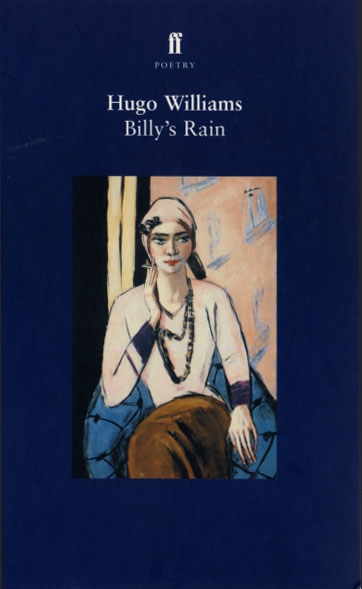
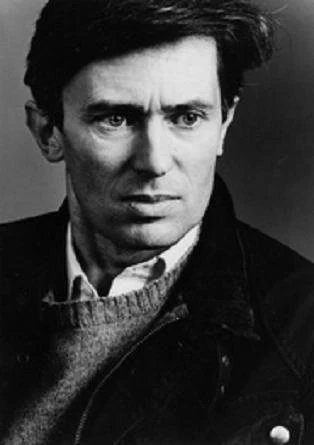
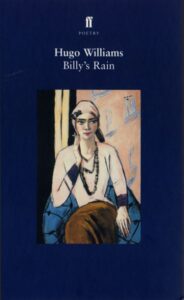 The winner of T. S. Eliot Prize 1999 was Hugo Williams for his collection Billy’s Rain (Faber & Faber). Williams was awarded £5,000, the generous gift of Mrs Valerie Eliot, at the Award Ceremony in London on 17 January 2000.
The judges were Blake Morrison (Chair), Selima Hill and Jamie McKendrick. Blake Morrison said:
Hugo Williams’s Billy’s Rain, a seemingly artless book about a love affair, simple in its diction, painfully direct in what’s described – and yet the more you read it, the more you see going on in it, as masks, mirrors, paradoxes, divided loyalties and blurred identities complicate the picture. For all the clipped tone, there are lines so lacerating you wonder how the poet wrote them.
Williams’s collection was chosen from 80 submissions which produced the shortlist of ten books:
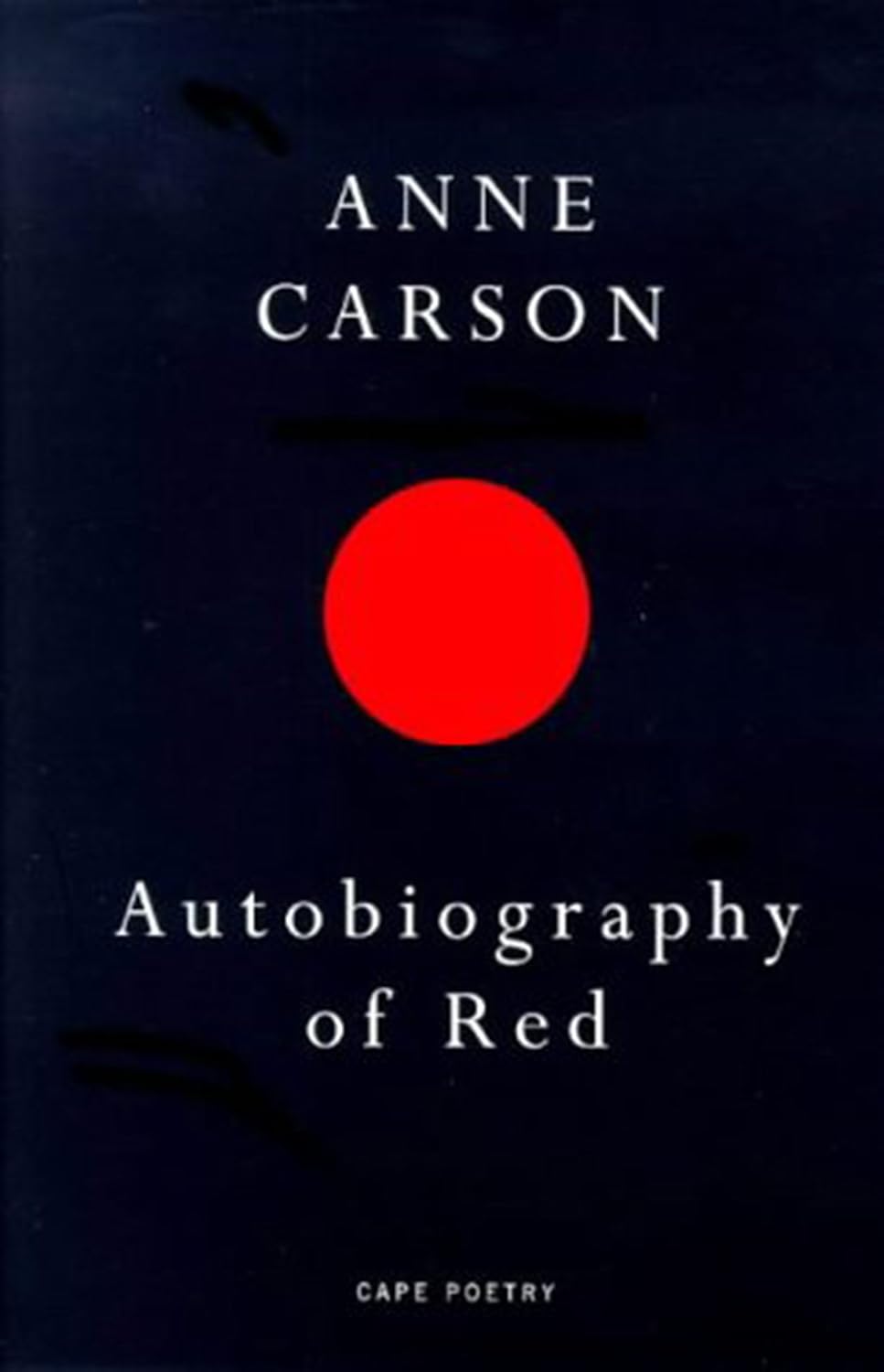
Anne Carson – Autobiography of Red (Cape Poetry)
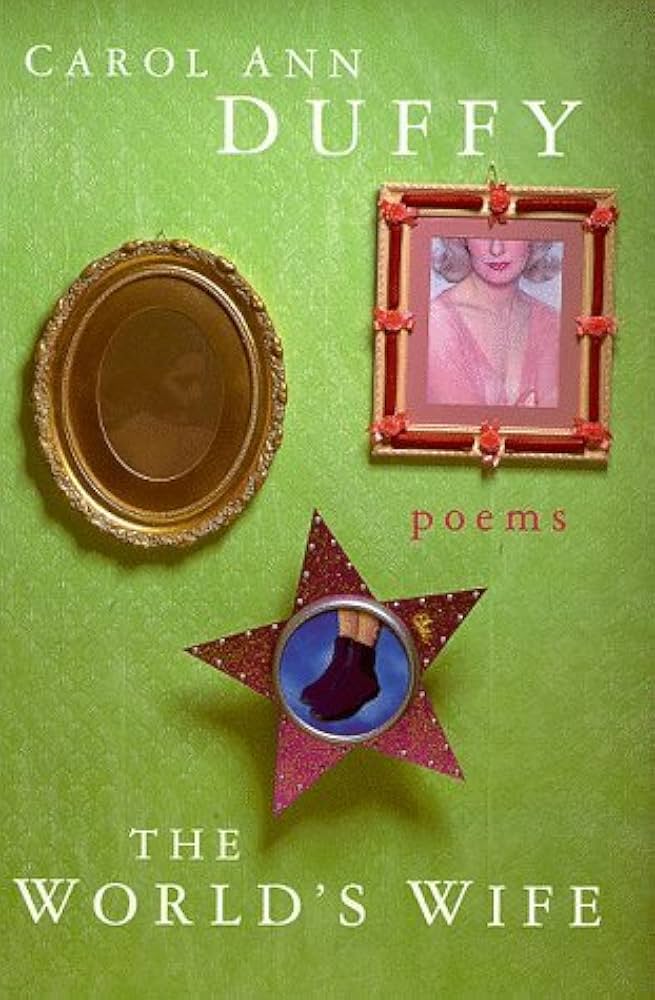
Carol Ann Duffy – The World’s Wife (Picador Poetry)
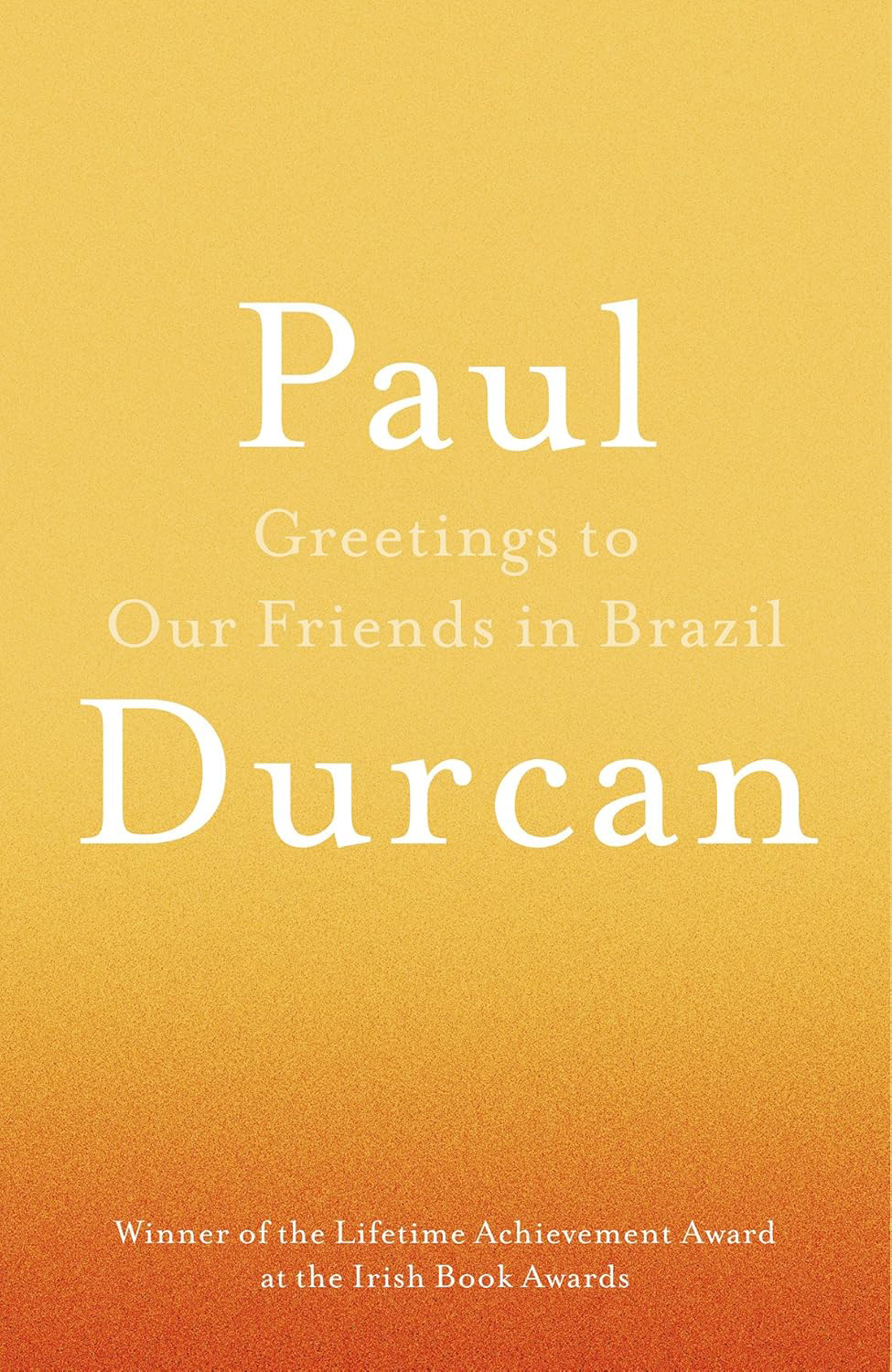
Paul Durcan – Greetings to our Friends in Brazil (Harvill Press)
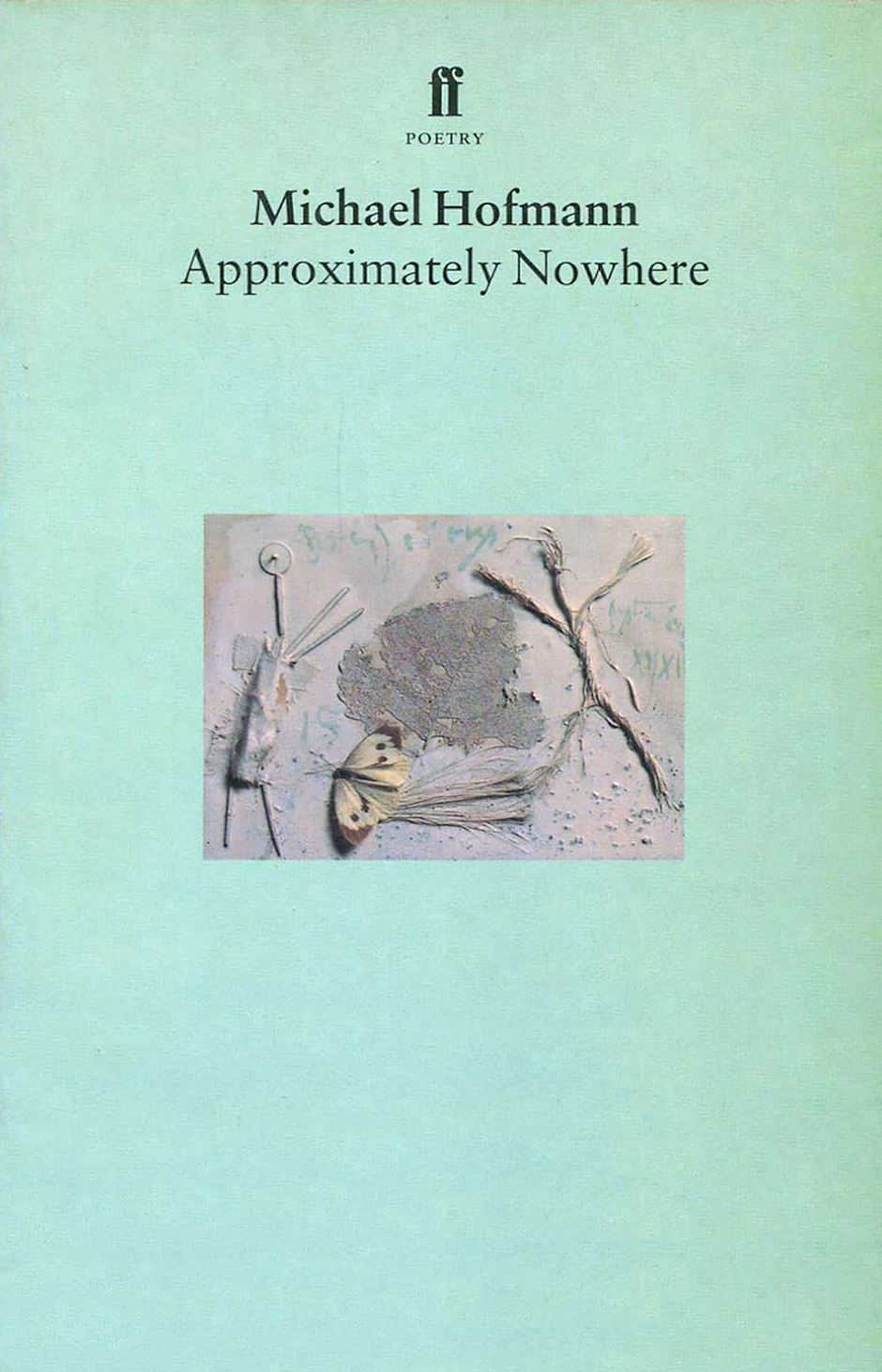
Michael Hofmann – Approximately Nowhere (Faber & Faber)
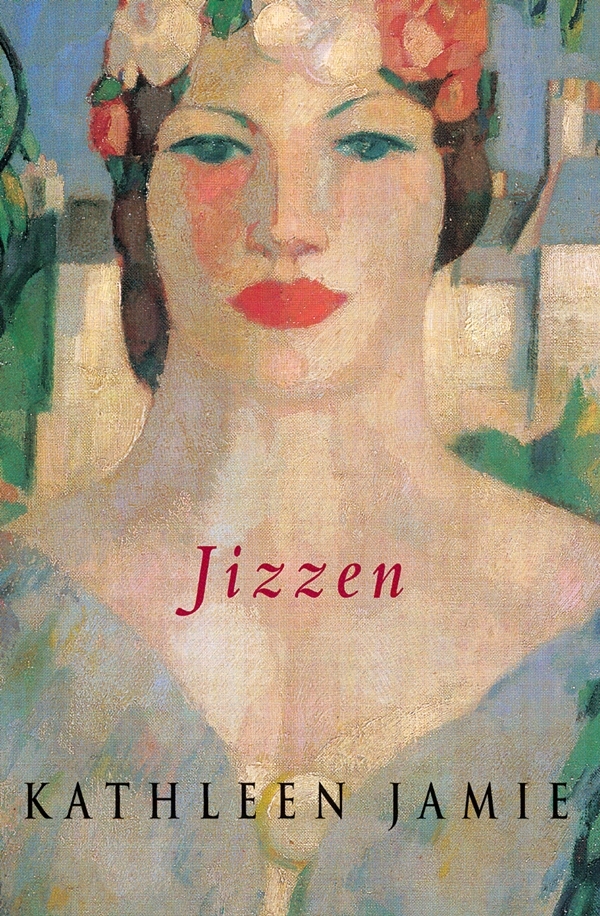
Kathleen Jamie – Jizzen (Picador Poetry)
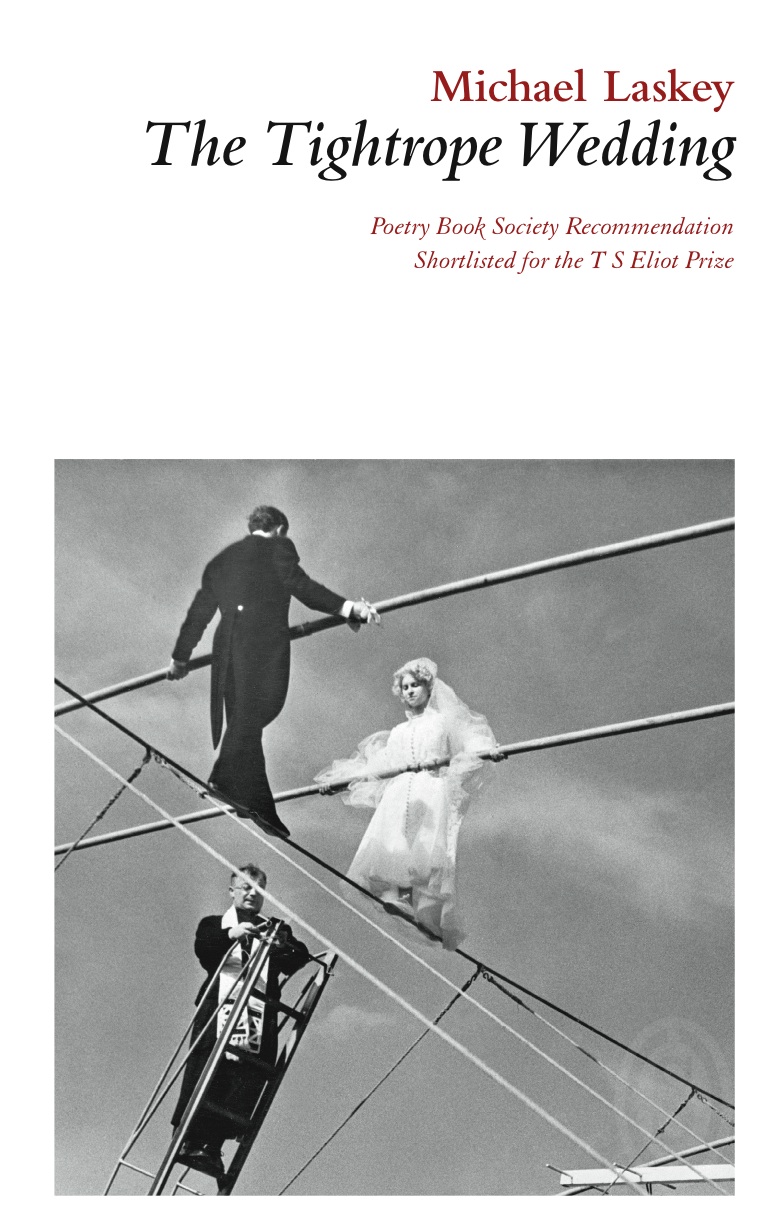
Michael Laskey – The Tightrope Wedding (Smith/Doorstop)
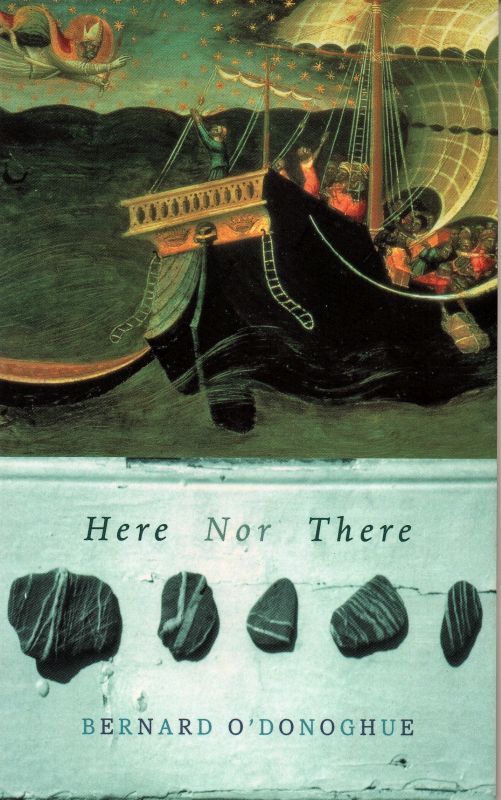
Bernard O’Donoghue – Here Nor There (Chatto & Windus)
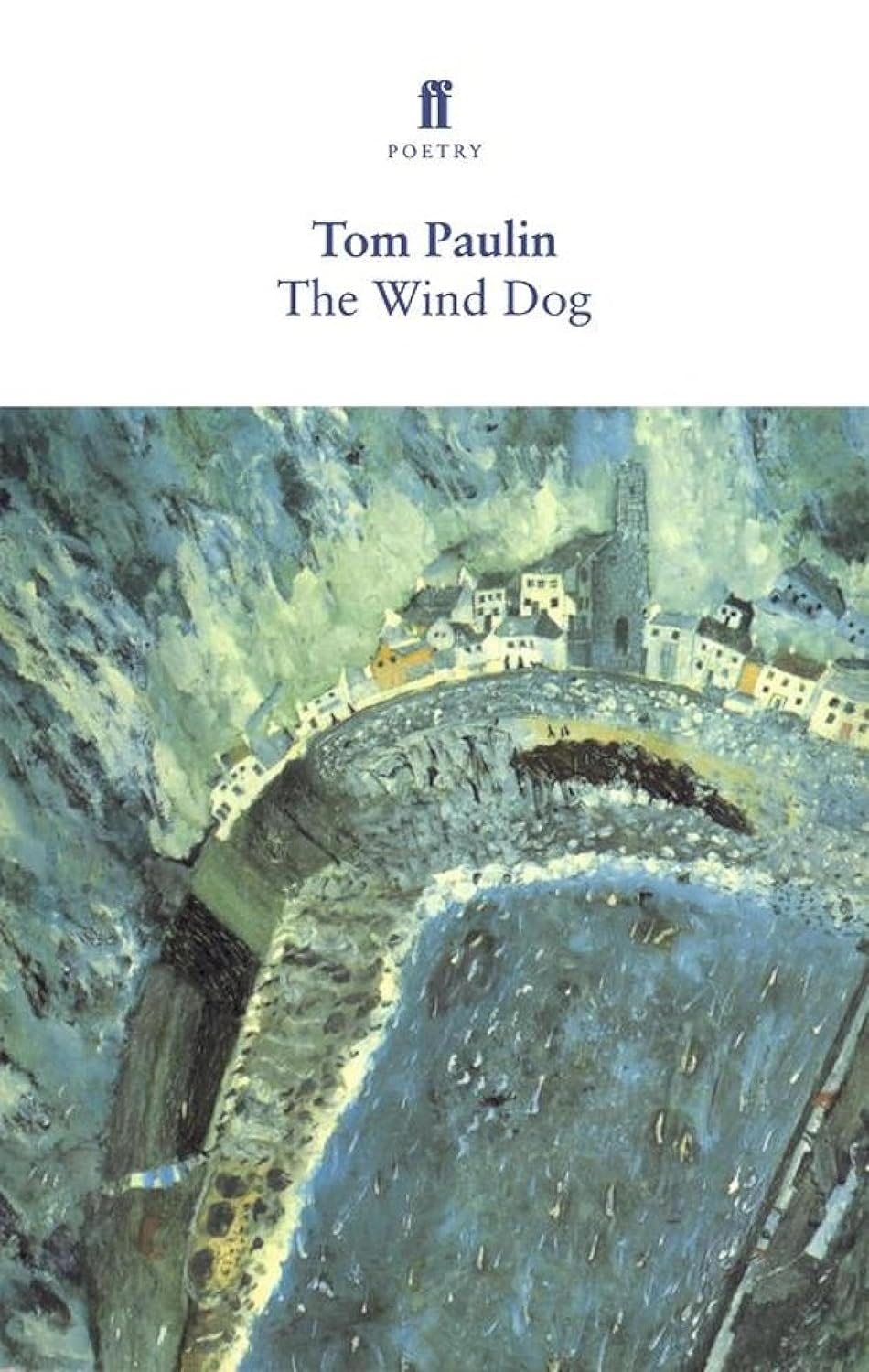
Tom Paulin – The Wind Dog (Faber & Faber)
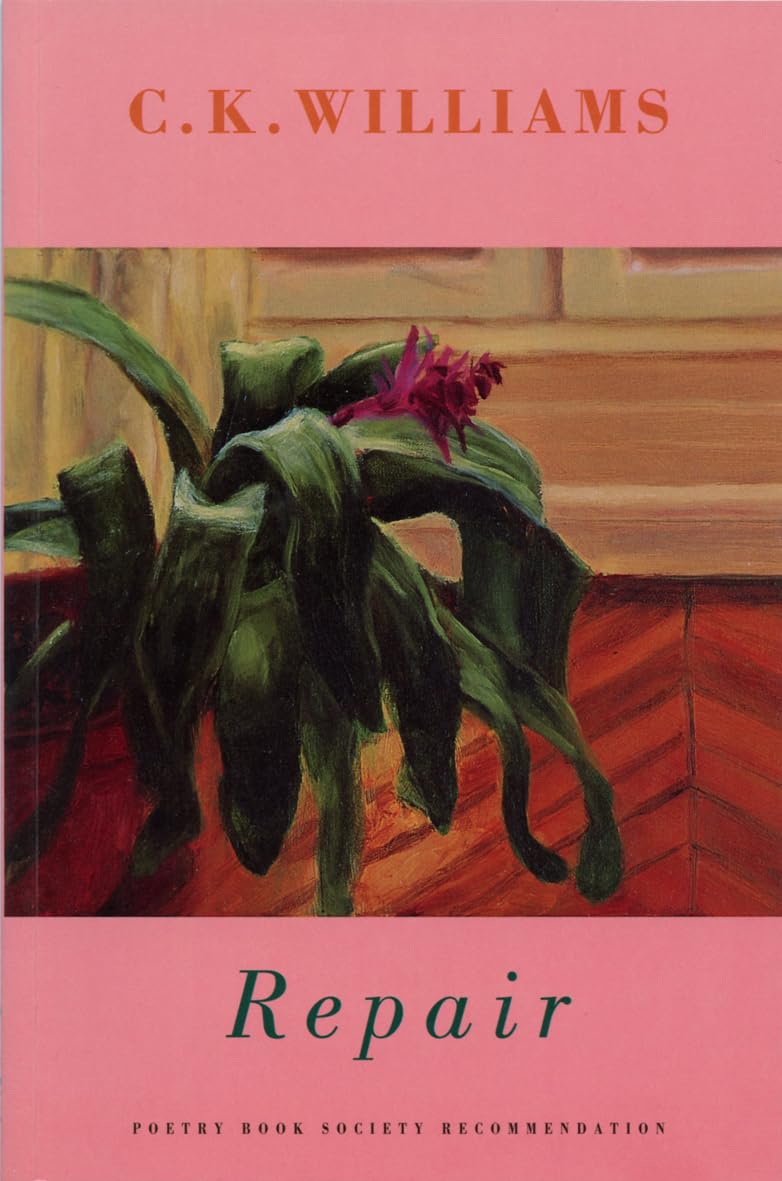
C. K. Williams – Repair (Bloodaxe Books)
Hugo Williams – Billy’s Rain (Faber & Faber)
This article, compiled from contemporary reports, has been published to provide a fuller picture of the T. S. Eliot Prize history.
The T. S. Eliot Prize was inaugurated by the Poetry Book Society in 1993 to mark the Poetry Book Society’s fortieth birthday, and to honour its founding poet. The T. S. Eliot estate has provided the prize money since the Prize’s inception, and the T. S. Eliot Foundation took over the running of the Prize in 2016, following Inpress Books’ acquisition of the PBS.