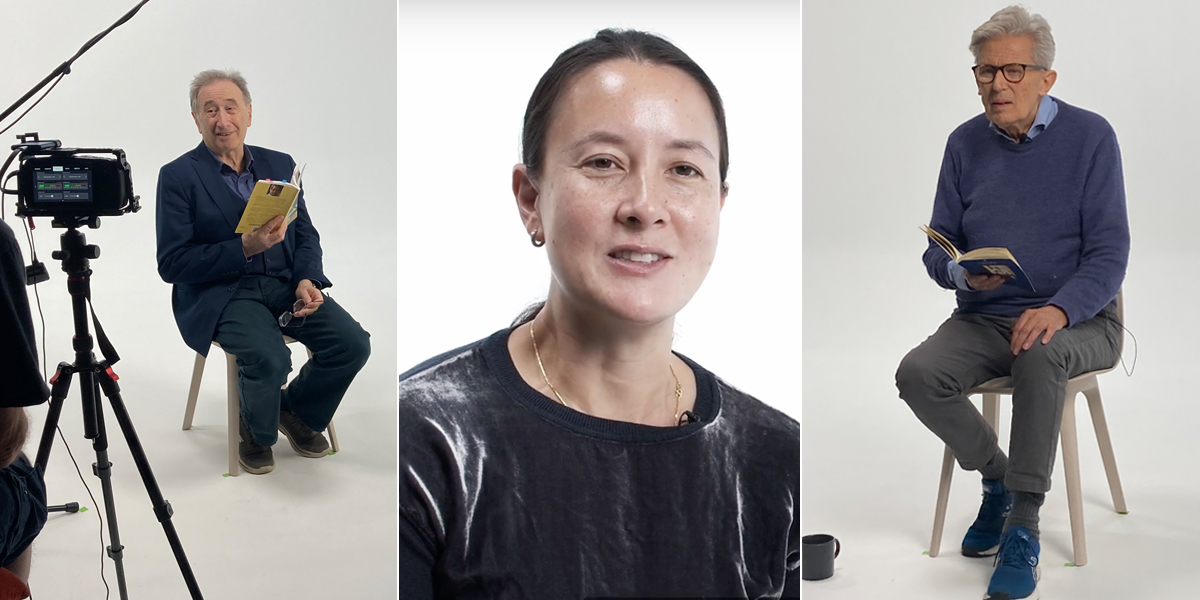
The T. S. Eliot Prize video and audio archive spans four decades and is ever expanding. Each year, following the announcement of the T. S. Eliot Prize Shortlist, we invite the shortlisted poets to a filming session. We record an interview with each of them and ask them to read several poems from their collections.
Last year we also invited three past winners who we’d previously failed to get into a studio: Hugo Williams, who won the T. S. Eliot Prize 1999 for Billy’s Rain (Faber & Faber); George Szirtes, who was awarded the 2004 prize for Reel (Bloodaxe Books); and Sarah Howe, who won the Prize in 2015 for Loop of Jade (Chatto & Windus).
In his interview, Hugo Williams ponders the paradoxical nature of poetry and his lifelong addiction to it. ‘What you do in poetry is not express yourself. What you do is […] you invent and you find out things you didn’t know already. That is the main addiction.’ You can watch his interview in full and hear his moving readings of three poems from Billy’s Rain: ‘Silver Paper Men’, ‘Mirror History’ and ‘Her News’.
For George Szirtes the core of his collection Reel is the sequence ‘Flesh’: ‘twenty-five terza rima poems about growing up as a child in Budapest, which I left at the age of eight, at the time of the revolution there. And they are the earliest memories that I have, which I had never articulated before’. He reads three powerful poems from Reel: ‘My father carries me across a field’, ‘Sweet’ and ‘Meeting Austerlitz’.
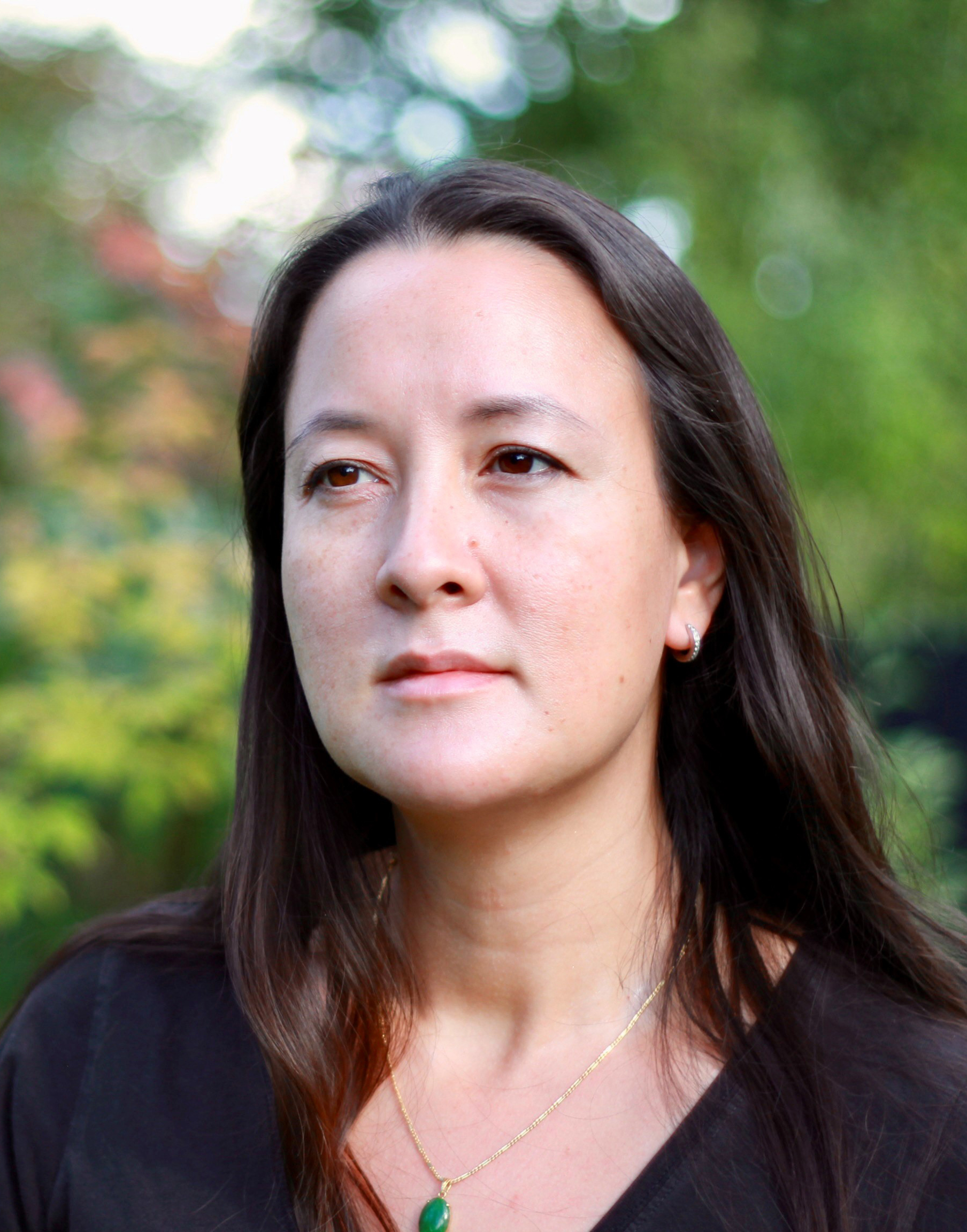
Mulling on the ten years that has elapsed since Loop of Jade came out, ahead of the publication of her second collection Foretokens (to be published this October), Sarah Howe says: ‘I don’t really make poems in the same way anymore. The work is maybe more direct, but also therefore more vulnerably unguarded.’ She adds: ‘I feel completely floored and honoured to have been the first woman of colour to win the Eliot Prize. And that milestone means a lot to me and maybe to other people too.’ Sarah reads her remarkable poems ‘Stray Dogs’, ‘Crocodile’ and ‘Others’.
These latest videos are a wonderful addition to the living archive of recordings we’ve gathered over the past four decades. These include: recordings of the T. S. Eliot Prize Shortlist Readings from 2016 to the present day (and links to prior recordings published on the Poetry Book Society YouTube channel); recordings marking the 20th and 30th anniversaries of the Prize; and brilliantly creative and insightful video reviews by the Young Critics. Best of all, you can access these recordings for free, no matter where in the world you are. Read our recent feature article surveying the archive and browse the channel at @TSEliotprizeYT.