This article on the early years of the T. S. Eliot Prize was written and added to the website in 2025.
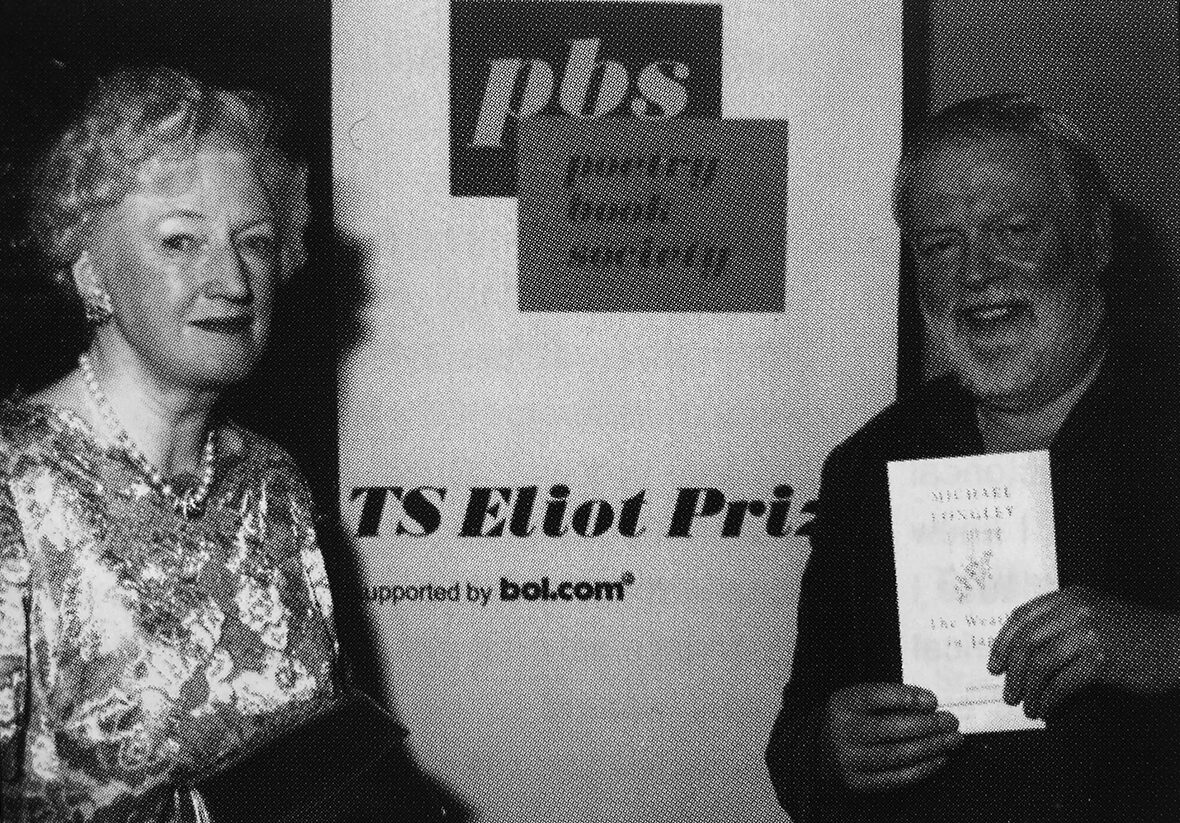
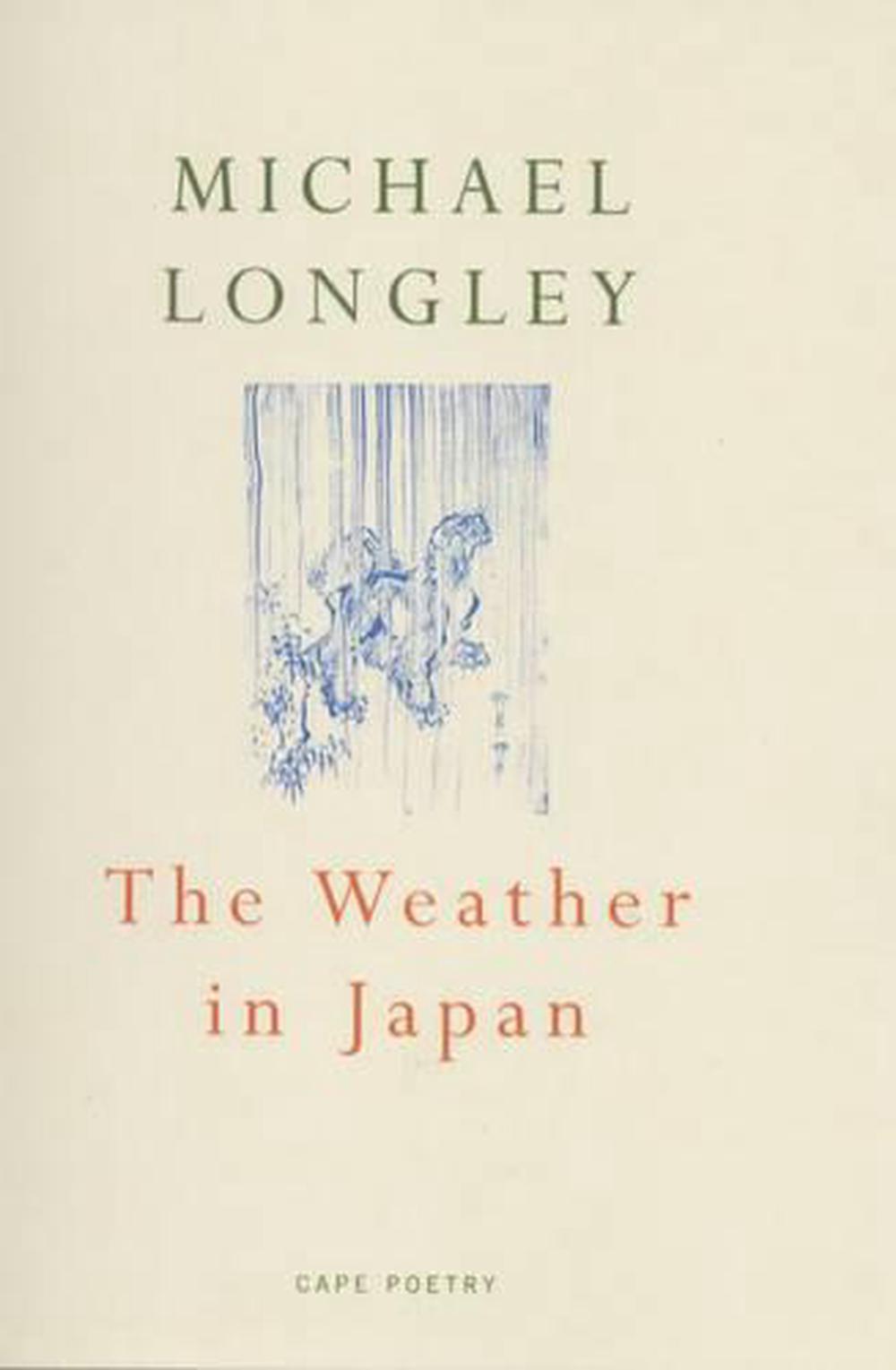
The winner of T. S. Eliot Prize 2000 was Michael Longley for his collection The Weather in Japan (Cape Poetry). Longley was presented with a cheque for £10,000, the generous gift of Mrs Valerie Eliot, at an event at Lancaster House, London, hosted by Alan Howarth MP, Minister for the Arts, on 22 January 2001.
The judges were Paul Muldoon (Chair), Glyn Maxwell and Kathleen Jamie. In commending The Weather in Japan, Paul Muldoon said:
These are poems which at first glance seem small-scale but which always expand our sense of history, be it of ancient Greece, World War II Germany or Northern Ireland. Longley is a skilled lyric poet of compassion and grace.
Longley’s collection was chosen from a shortlist of ten books:
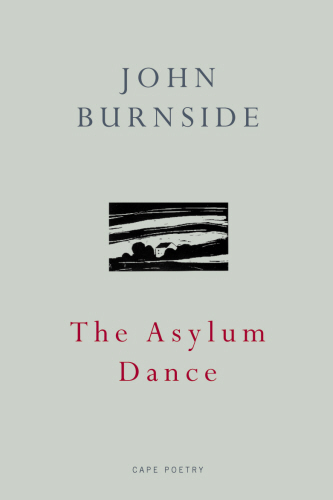
John Burnside – The Asylum Dance (Cape Poetry)
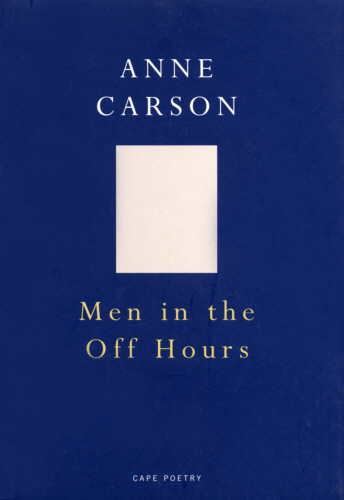
Anne Carson – Men in the Off Hours (Cape Poetry)
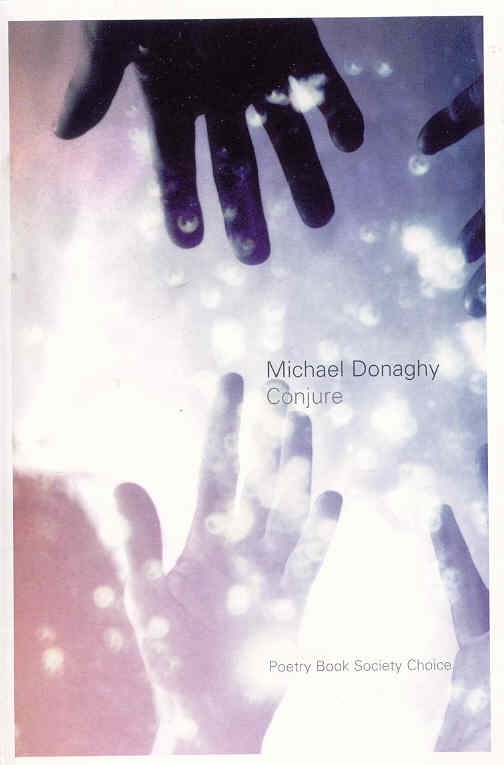
Michael Donaghy – Conjure (Picador Poetry)
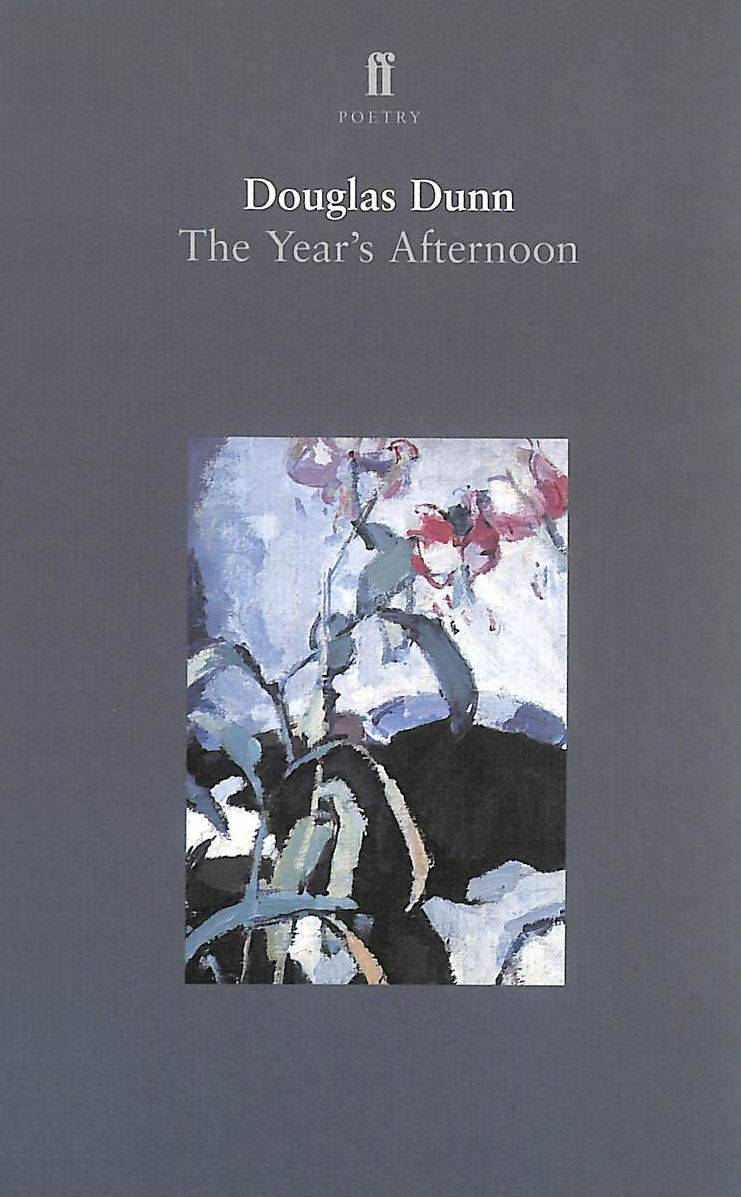
Douglas Dunn – The Year’s Afternoon (Faber & Faber)
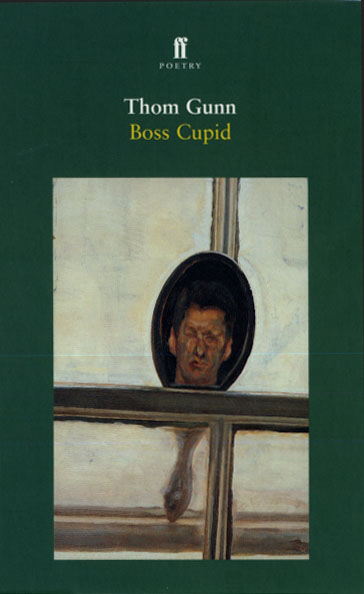
Thom Gunn – Boss Cupid (Faber & Faber)
Alan Jenkins – The Drift (Chatto & Windus)
Michael Longley – The Weather in Japan (Cape Poetry)
Roddy Lumsden – The Book of Love (Bloodaxe Books)
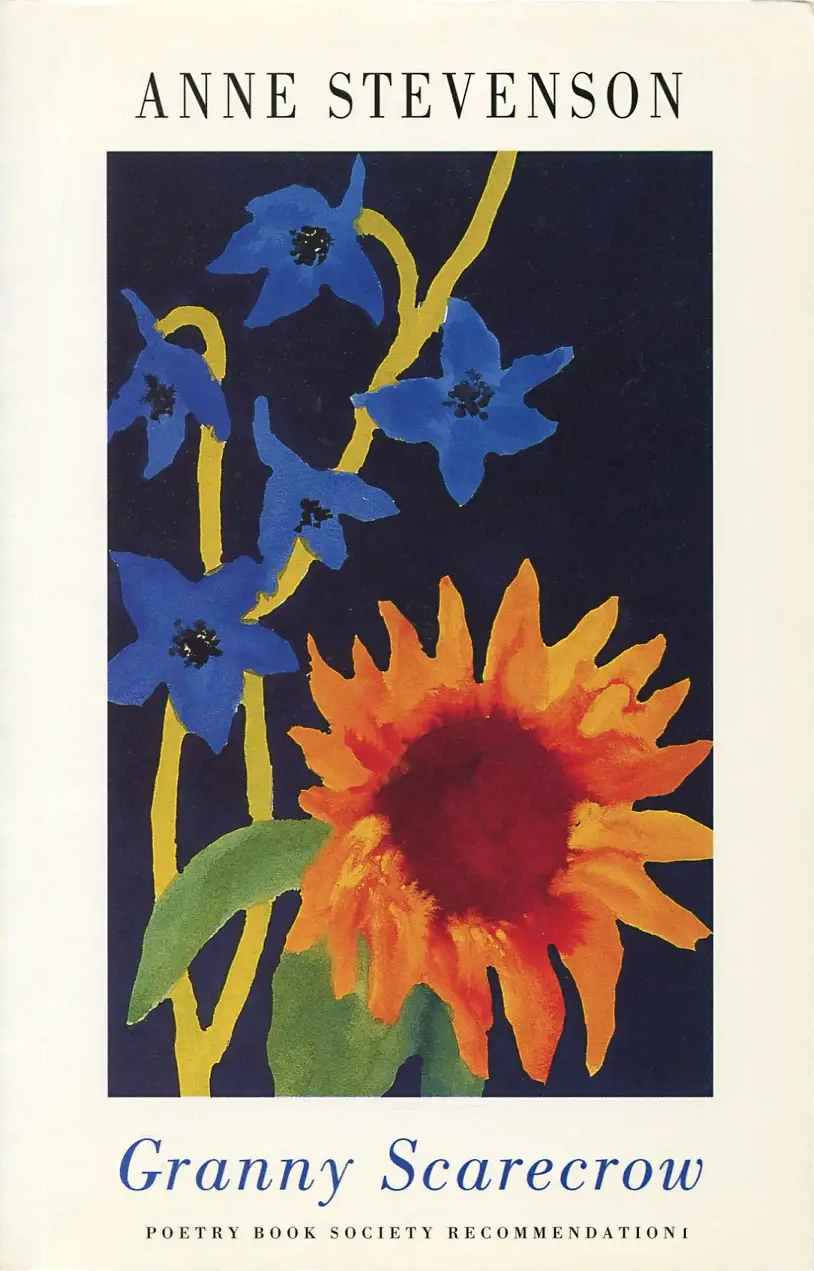
Anne Stevenson – Granny Scarecrow (Bloodaxe Books)
Derek Walcott – Tiepolo’s Hound (Faber & Faber)
This article, compiled from contemporary reports, has been published to provide a fuller picture of the T. S. Eliot Prize history.
The T. S. Eliot Prize was inaugurated by the Poetry Book Society in 1993 to mark the Poetry Book Society’s fortieth birthday, and to honour its founding poet. The T. S. Eliot estate has provided the prize money since the Prize’s inception, and the T. S. Eliot Foundation took over the running of the Prize in 2016, following Inpress Books’ acquisition of the PBS.