Michael Schmidt on debuts, range, reach and awards as spotlights
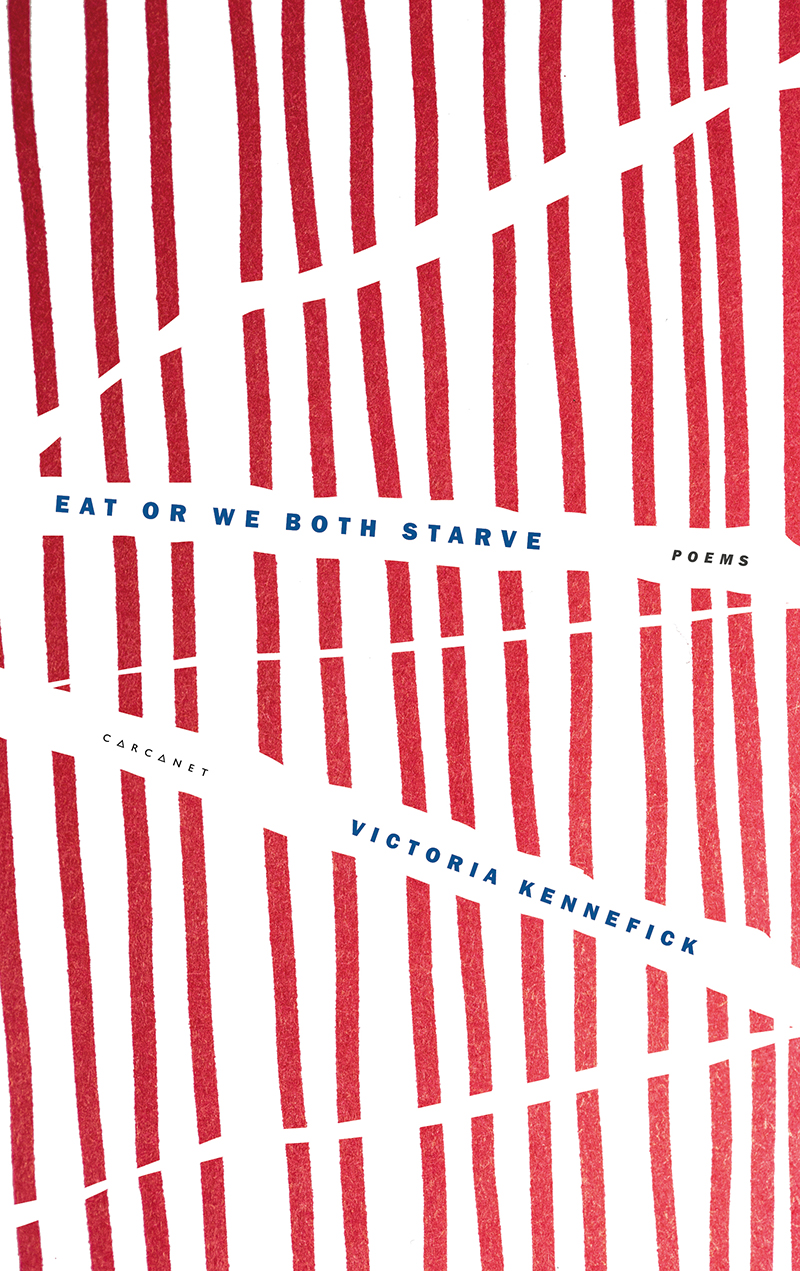
Carcanet is proud to have the only first collection on the T. S. Eliot Prize 2021 Shortlist. Victoria Kennefick featured in our New Poetries introductory series in January and her book came out three months later. It had a tremendous reception despite lockdown, with reviews and on-line events. She is a strong performer. She refuses to behave herself in the themes she chooses to explore, and she is formally as ambitious as she is experimental. She is also a committed reader of other people’s poetry, and her roots and rhythms reach back in time, not just decades but centuries.
Victoria is the kind of poet my associate publisher John McAuliffe and I are always thrilled to discover. She is not part of a mainstream, and though she has studied creative writing, she has got well beyond the karaoke phase that some would-be poets never get beyond, as they mix and match but never quite make something of their own. We are delighted the judges have singled her out – surprisingly, she is also the only Irish poet on this year’s list.
For Carcanet, this has been a remarkable year for first collections, with books by Jason Allen-Paisant, Parwana Fayyaz and Isobel Williams, as well as Victoria. What is exciting is how different each book is from the others, the integrity and ambition of each poet’s approach, and their thematic and geographical range. Next year looks like providing another harvest of fine first books, by Padraig Regan, Stav Poleg, Colm Tóibín, Celia Sorhaindo, Jay G. Ying and Joseph Minden. We are also bringing a number of poets from around the Anglophone world into circulation in the UK for the first time.
Over its now 51 years Carcanet has had many poets listed for the T. S. Eliot Prize and two of them – Sinéad Morrissey and Les Murray – have won the laurels. At a time when review culture has rather run out of steam and space, and so many of the journals that used to feature poetry and poetry reviews have folded, awards are often spotlights – their shortlists which attract readers to debate with one another are a godsend to publishers. And the winning poet is news, over and above the important thing, which is the poetry itself. Perhaps the shortlist poets most want to be on is the T. S. Eliot. Its spotlights shine brighter each year. Long may it thrive.
To discover more about Carcanet Press, visit the website. This article was published on 18 November 2021.