The T.S. Eliot Prize and The Poetry Society are delighted to publish the video reviews created by participants in this year’s Young Critics Scheme.
Michael Sims, Director of the T. S. Eliot Prize welcomed ‘another brilliant year for the Young Critics Scheme’. He said, ‘The 2025 cohort’s video reviews of the T. S. Eliot Prize Shortlist are packed with fresh insights and visual flair. We’re delighted by the way the Scheme continues to expand the readership of the shortlisted collections and excite more interest in the Prize.’
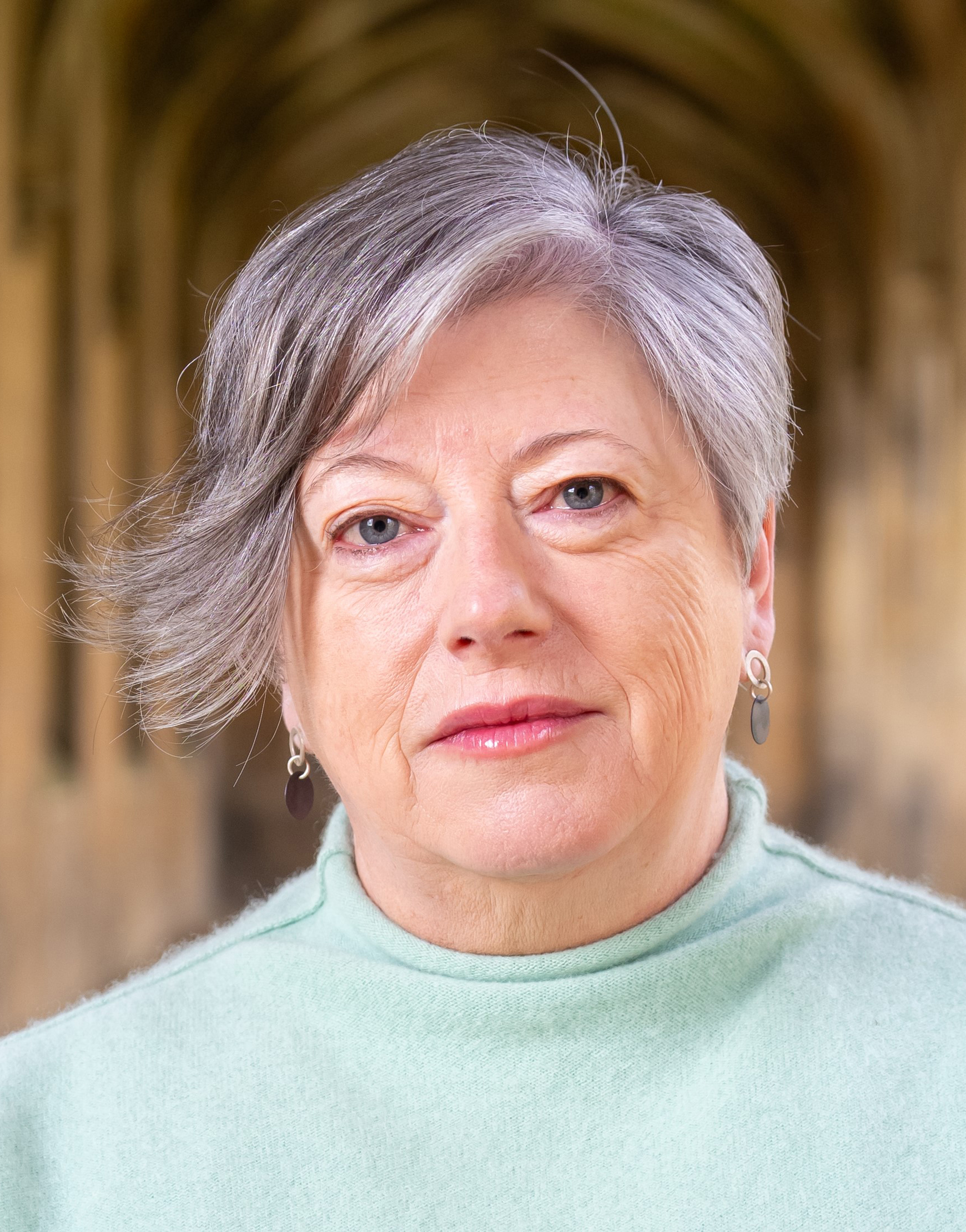
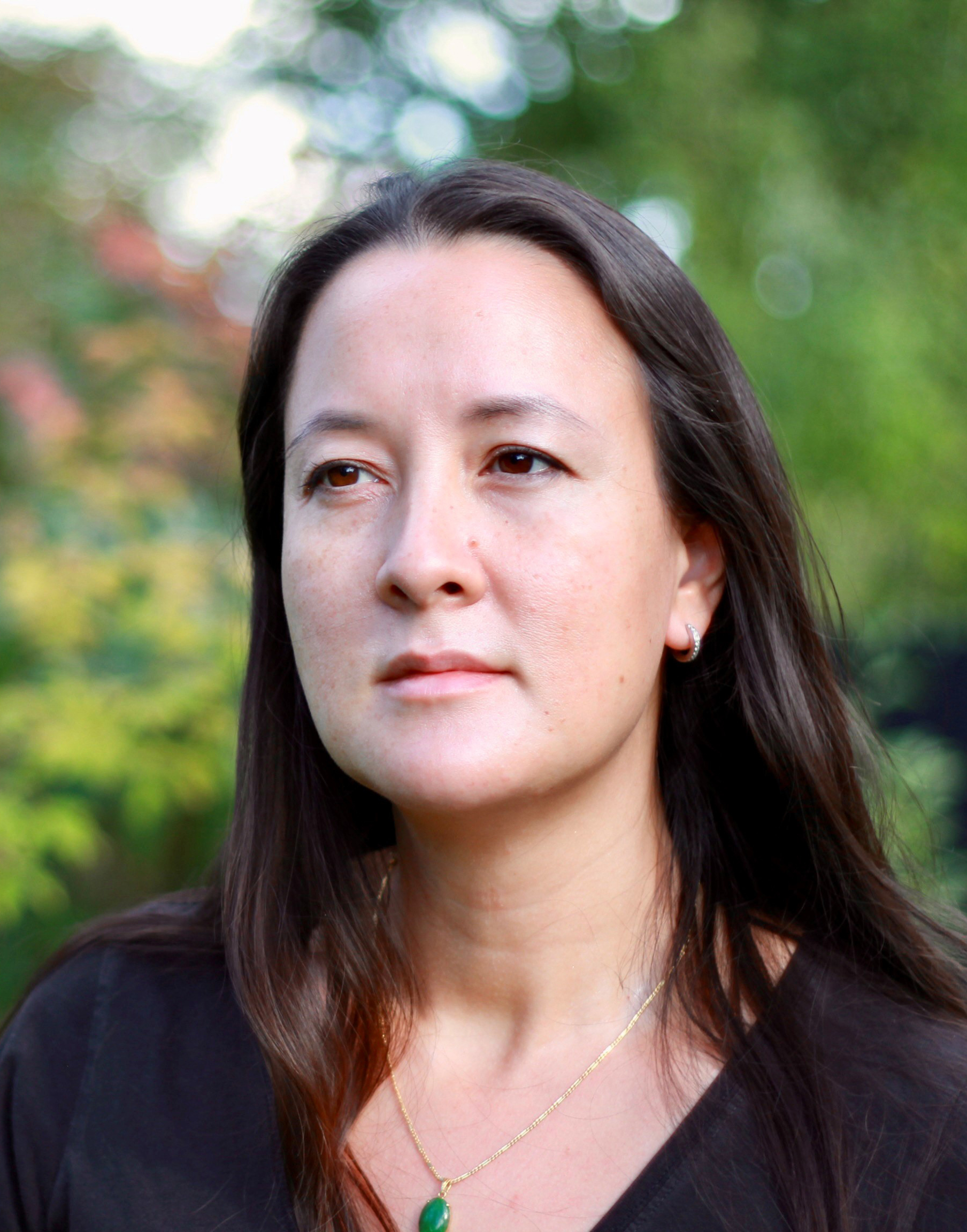
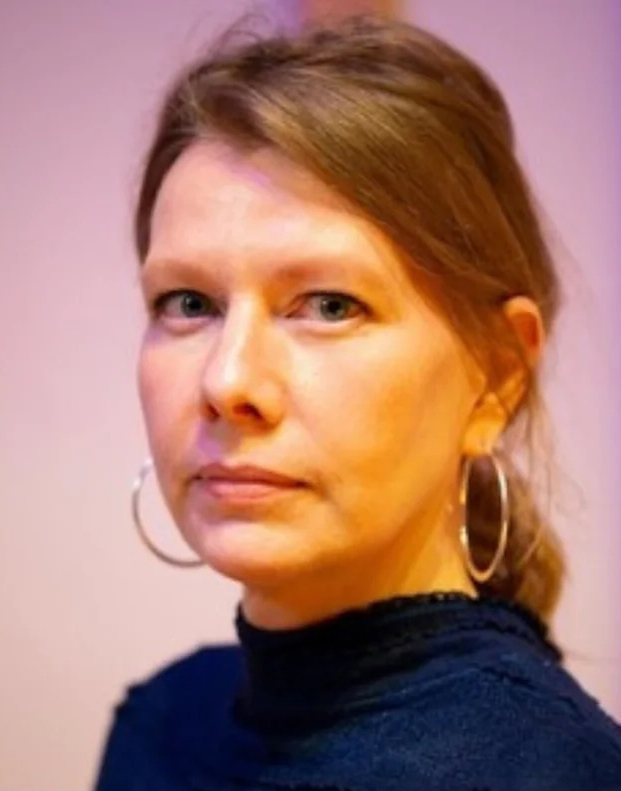
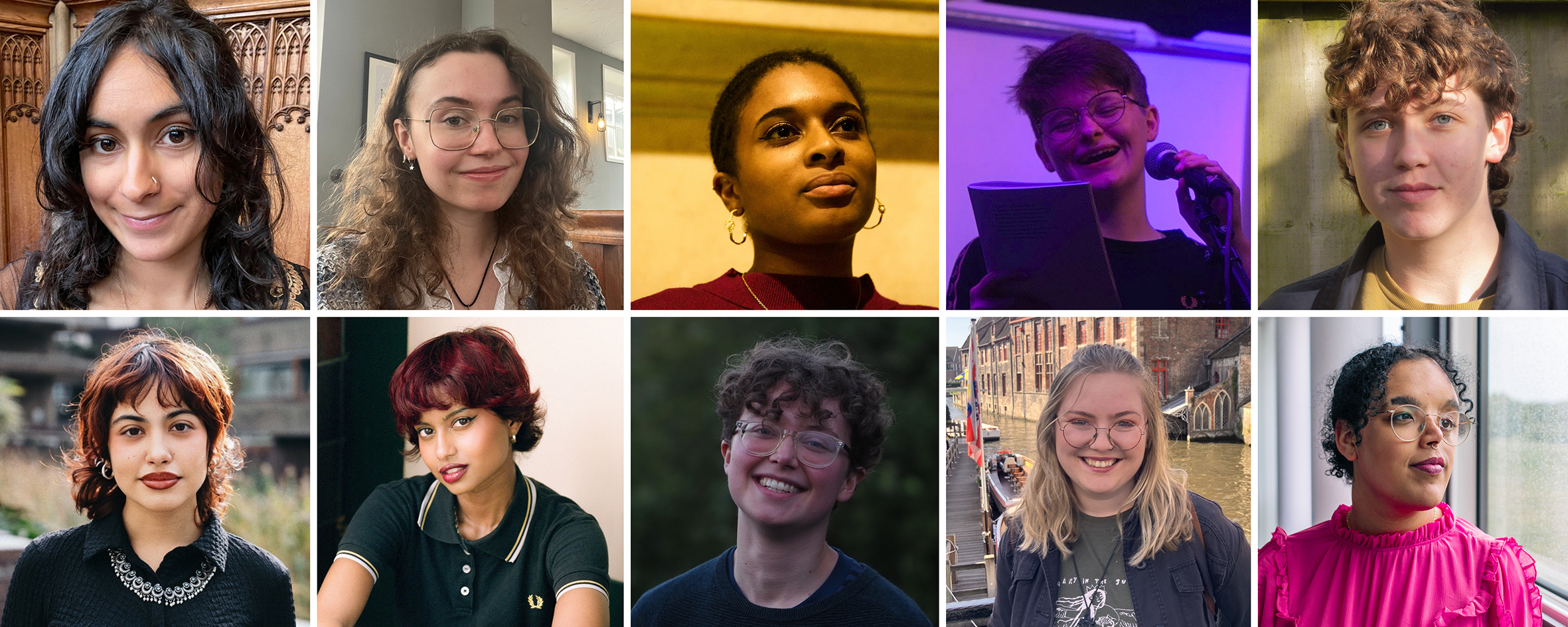
Following a series of criticism workshops led by The Poetry Society, this year’s Young Critics – pictured above, top row, left to right) Anisha Jaya Minocha, Anna Jones, Aphra Le Levier-Bennett, Caleb Simon, Freya Gillard; and (bottom row, left to right) Ishita Uppadhayay, Jay Mitra, Lucas Sheridan, Molly Knox and Shannon Clinton-Copeland – have produced engaging and insightful video reviews of the 2025 T. S. Eliot Prize Shortlist.
All ten video reviews are now available to watch on YouTube on both the T. S. Eliot Prize and The Poetry Society channels. Be sure to view the video reviews before you take your seats at the T. S. Eliot Prize Shortlist Readings at the Royal Festival Hall, London, on 18 January 2026.
Anisha Jaya Minocha carefully guides the viewer through Gillian Allnutt’s Lode, while Jay Mitra asks whether a poetry collection can make someone leave a toxic marriage in their review of Isabelle Baafi’s Chaotic Good. Aphra Le Levier-Bennett plays close attention to the ‘long song’ of violence in Catherine-Esther Cowie’s Heirloom. Molly Knox interrogate the role of the poet in Paul Farley’s When It Rained for a Million Years while Freya Gillard ponders similar self-riddling in Vona Groarke’s Infinity Pool. Ishita Uppadhayay considers the mapping out of personal history in Sarah Howe’s Foretokens. Shannon Clinton-Copeland situates Nick Makoha’s The New Carthaginians in a cultural landscape including Basquiat, Semblene and Virgil, and Lucas Sheridan probes the presence and absence of historical context in Tom Paulin’s Namanlagh. Caleb Simon’s review of Karen Solie’s Wellwater interrogates the role of poetry amid climate breakdown, while Anna Jones explores Natalie Shapero’s use of humour in Stay Dead.
The Young Critics Scheme, now in its fourth year, is a partnership project inviting ten writers aged 18-25 to take part in a series of online workshops and to create short video reviews of each of the poetry collections shortlisted for the T.S. Eliot Prize. The aim is to develop the skills of emerging critics and to amplify the voices of young people in poetry.
This year, the workshops included exercises on what makes a review engaging or alienating, critical methods reviewers might borrow from other disciplines, and how to present ideas to camera. The Young Critics heard from critic Helen Bowell, who led a session on different ways of opening a review, and Wasafiri editor Sana Goyal, who shared her journey as a reviewer and some top tips for pitching to magazines and journals.
Established in 2022, the Young Critics Scheme has kickstarted the reviewing careers of several of its alumni, who have gone on to publish reviews in The Poetry Review, Poetry London, and Magma. 2024 Young Critic Orla Davey said, ‘The Young Critics Scheme provided invaluable mentorship that vastly expanded my perspective and skillset as a reviewer. I had the opportunity to present a more creative portrayal of my critical analysis beyond written words, and experiment with new forms and styles of reviewing to visually promote a text to readers.’
Find out more about the Young Critics Scheme here.